




Comprehensive Snow Plow Blade Selection Guide for Fleets: Optimizing TCO through Material Behavior and Fleet Matrix Allocation
Municipal and contractor fleets face escalating winter-maintenance pressures, driven by extended plow seasons, erratic weather patterns, and intensive high-abrasion routes. Managing a large-scale winter inventory demands a strategic shift away from single-blade standardization and…
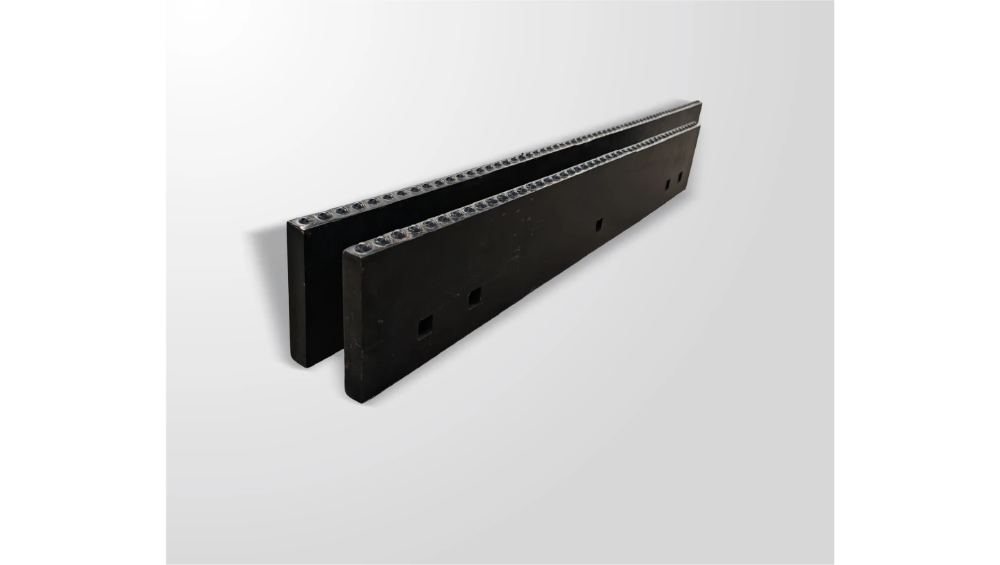
Municipal and contractor fleets face escalating winter-maintenance pressures, driven by extended plow seasons, erratic weather patterns, and intensive high-abrasion routes. Managing a large-scale winter inventory demands a strategic shift away from single-blade standardization and toward a metric-driven total cost of ownership (TCO) procurement model. By aligning molecular material behavior with precise operational route profiles, fleet managers can drastically mitigate mid-season changeout downtime, decrease structural frame fatigue, and control operational expenditures.
Rethinking Fleet Procurement through Operational Reality
Standardizing a single cutting edge type across an entire municipal or commercial fleet introduces massive hidden cost penalties. A rigid carbide edge that performs exceptionally during sustained, high-speed highway passes transmits excessive, destructive vibration when forced onto urban, stop-start routes. This misapplication accelerates structural failure within plow frames, trip edges, and truck suspension systems.
Conversely, deploying softer segmented or rubber-encased systems on high-speed arterials leads to rapid material degradation, forcing emergency mid-storm replacements. The financial fallout extends far beyond initial purchase prices, compounding into lost truck-hours, extensive spare-part storage requirements, and high labor costs during peak winter events.
The Fleet Application Matrix: Matching Blade Behavior to Road Conditions
Achieving predictable wear cycles requires classifying routes before specifying hardware. Performance optimization depends on three interconnected variables: surface abrasiveness (coarse aggregate vs. smooth concrete), operational speed/hydraulic downforce, and surface variability (manhole covers, utility cuts, or bridge decks).
| Application Type | Typical Operating Profile | Recommended Blade Type | Key Advantages | Tradeoffs to Monitor |
| High-Speed Highways | Sustained speed, consistent surfaces, long continuous passes | Solid Carbide / Advanced Micro-Grain Carbide Inserts | Exceptional wear life, 10x-20x durability vs. steel, stable edge geometry | Higher upfront cost, increased vibration on uneven pavement |
| Urban Municipal Routes | Stop-start driving, manholes, mixed-quality patched asphalt | Segmented Rubber-Encased Articulating Blades | Reduced chassis vibration, infrastructure protection, contour flexing | Faster wear on highly abrasive surfaces, higher piece-count monitoring |
| Severe Ice & Packed Snow | Low speed, high hydraulic downforce, dense accumulation | Packed Carbide Insert Systems / Aggressive Ice-Cutting Profiles | Maximum ice penetration, superior scraping efficiency | Highly aggressive on softer asphalt, requires precise downforce tuning |
Engineering and Metallurgy: Material Behavior Under Real Load
Selecting the ideal wear part requires understanding how specific materials react under sustained mechanical stress and extreme thermal fluctuation.
-
Micro-Grain Tungsten Carbide: Unlike generic standard-grain alternatives, micro-grain carbide structures processed through low-pressure vacuum sintering offer superior uniform hardness and structural density. This advanced powder metallurgy maximizes brazing strength and impact resistance, drastically reducing micro-fractures and insert pop-outs when hitting structural road obstacles.
-
Segmented and Rubber-Encased Elastomers: These designs introduce controlled elastic deformation into the cutting edge assembly. By encasing individual steel or carbide segments in high-tensile vulcanized rubber, the blade absorbs high-frequency impacts and dampens chassis feedback, though it remains vulnerable to sustained, dry sandpaper-like aggregate abrasion.
-
Trapezoid vs. Bullnose Geometries: Insert profiles alter physical scraping angles. Trapezoid inserts maintain sharp, aggressive scraping profiles over hundreds of highway miles, whereas bullnose configurations distribute friction across a wider surface area, optimizing versatility for mixed-use city layouts.
A Six-Step Implementation Framework for Fleet Managers
Transitioning a mixed fleet to a ratio-based inventory model requires a systematic validation workflow to accurately measure cost-per-mile efficiency.
-
Inventory Route Classifications: Segment all service contracts and municipal lines into high-abrasion highway, obstacle-dense urban, and light residential tiers.
-
Allocate Initial Blade Specs: Assign high-performance SENTHAI micro-grain carbide profiles to primary expressways, while reserving flexible, rubber-buffered assemblies for downtown cores.
-
Execute Pilot Field Testing: Fit a controlled subset of trucks operating on identical routes with candidate cutting edges to establish baseline performance benchmarks.
-
Log True Lifecycle Cost Per Mile: Calculate total operational expense by factoring in upfront material price, mechanic labor hours for changeouts, and the cost of asset downtime during major blizzards.
-
Centralize Fleet Procurement: Standardize ordering around predictable OEM-compatible geometries (such as JOMA-style or I.C.E. fits) to minimize warehouse SKU confusion and optimize bulk volume pricing.
-
Enforce Post-Storm Inspections: Implement a structured preventative maintenance protocol focusing on torque levels, uneven moldboard wear, and carbide brazing integrity.
Commercial Case Scenarios and Field Application
Scenario A: State Highway Authority Operations
-
The Challenge: Traditional hardened steel cutting edges wore out multiple times per winter season across high-speed interstate lines, forcing frequent, dangerous mid-storm shop replacements.
-
The Infrastructure Solution: Upgrading to vacuum-sintered trapezoid carbide inserts dramatically eliminated unexpected downtime. Procurement transformed from chaotic emergency orders into predictable, seasonal bulk purchasing.
Scenario B: Mid-Sized Municipal Mixed-Use Fleet
-
The Challenge: A city fleet utilized a single steel-edge configuration across all units to simplify parts management, resulting in destroyed blades on major arterials and poor clearing quality.
-
The Infrastructure Solution: Adopting a blended ratio-allocation model (70% carbide for arterials, 30% segmented rubber-flexible configurations for residential streets) protected urban infrastructure while extending highway edge life.
Scenario C: Commercial Winter Contractor Servicing Parking Lots
-
The Challenge: Standard steel edges produced uneven clearing on commercial concrete loading docks, increasing salt requirements and triggering contractual service penalties.
-
The Infrastructure Solution: Deploying rubber-encased carbide segments allowed the plows to follow complex grade contours, cutting the required passes per job and reducing overall fuel consumption.
Global Fleet Manufacturing Reliability and Quality Control
Industrial scaling requires extreme manufacturing precision. SENTHAI controls the entire fabrication pipeline inside its Rayong, Thailand production facility, executing automated processing from raw powder milling and vacuum sintering to high-strength brazing and specialized rubber vulcanization. Holding strict ISO 9001 and ISO 14001 quality system certifications, this infrastructure maintains rigorous structural tolerances down to 0.02 mm.
For international procurement officers and large fleet managers, this complete in-house control guarantees batch-to-batch chemical uniformity, transparent tracking, and reliable supply chains completely isolated from external outsourced manufacturing variances. Standard profiles are fully compatible with major global setups, including JOMA 6000 specifications (featuring 11.22 inch by 5 inch by 3/4 inch cast steel segments encased in resilient rubber) alongside standard 3ft and 4ft fleet configurations.
Frequently Asked Questions
How do you choose the right snow plow blade for a large municipal fleet?
Start by classifying routes based on operating speed, surface pavement type, and structural obstacles. Instead of buying a single blade model, establish a mixed inventory framework, allocating high-durability vacuum-sintered carbide inserts to high-speed highways and deploying articulating, flexible, or rubber-buffered blades within city centers.
What are the operational differences between solid carbide and segmented blades?
Solid carbide configurations provide unmatched abrasion resistance and maintain straight cutting geometries over long distances, making them ideal for high-speed highway clearing. Segmented blades feature isolated cutting blocks encased in rubber matrices, providing the flexibility needed to conform to uneven pavements while damping severe impact shocks.
How much more does high-performance carbide cost upfront compared to steel?
Carbide assemblies demand a higher initial purchase price due to the raw material costs of tungsten and cobalt alongside specialized vacuum sintering processing. However, because they regularly deliver 10x to 20x the total service lifespan of standard steel, they yield an overall 50% to 80% reduction in total cost of ownership.
Are carbide blades compatible with standard fleet moldboard configurations?
Advanced carbide wear parts are engineered to directly match global OEM layouts, including standard AASHTO punching patterns, JOMA systems, and I.C.E. setups. Standard 3ft (36 inch) and 4ft (48 inch) modular sizes allow maintenance crews to perform fast retrofits without modifying existing plow frame frameworks.
Can custom carbide shapes or specialized insert geometries be manufactured?
Yes. Modern in-house production plants use advanced CAD modeling and precise computerized machining to customize insert angles, dimensions, and segment spacing. This allows fleet managers to fine-tune physical tool performance for unique regional road specifications or custom municipal equipment profiles.
How does manufacturing consistency impact overall fleet operating costs?
Inconsistent manufacturing leads to premature carbide cracking, weak brazing bonds, and uneven wear patterns across identical vehicles. Sourcing parts from automated, ISO-certified facilities ensures that wear cycles remain fully predictable, allowing fleet supervisors to schedule scheduled preventive replacements rather than dealing with unexpected field breakdowns.
Strategic Procurement Action
Optimizing winter road clearance requires a balanced mix of heavy-duty durability and tailored mechanical behavior. Sourcing wear parts from fully integrated, ISO-certified production lines provides large fleets with the reliability, tight tolerances, and predictable lifespans needed to control operational costs. To analyze specific return on investment metrics, review technical product blueprints, or arrange a pilot testing program for your fleet portfolio, connect with the global engineering and sales support specialists at SENTHAI.
Related articles
 Best Snow Plow Blade Family for Your Fleet: Top 5 ScenariosKnowledge
 Top 10 Snow Plow Blade Types for Winter Fleets (Ranked by Duty Fit)Knowledge
 Top 5 Best Carbide Blade Configurations for Highway PlowingKnowledge
 Best Snow Plow Blade Materials Ranked: Steel vs Carbide vs Cladding vs Rubber-CarbideKnowledge