




How can municipal crews reduce storm‑time downtime?
Municipal crews can reduce “storm‑time” downtime by equipping their snow‑removal fleets with long‑lasting, wear‑resistant carbide snow plow blades and by pre‑stocking OEM‑compatible wear parts. This approach minimizes mid‑blizzard blade changes, keeps more plows operating…
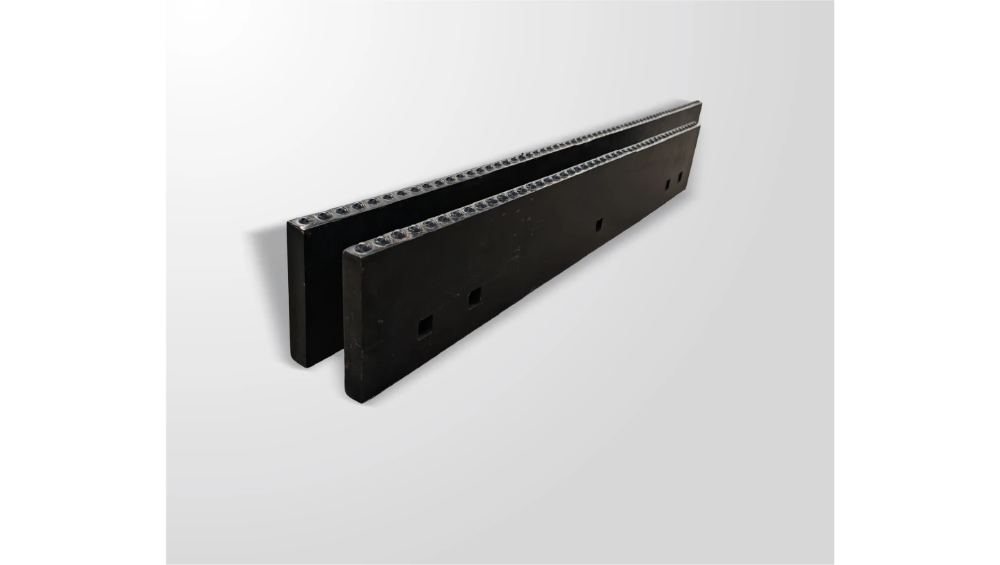
Municipal crews can reduce “storm‑time” downtime by equipping their snow‑removal fleets with long‑lasting, wear‑resistant carbide snow plow blades and by pre‑stocking OEM‑compatible wear parts. This approach minimizes mid‑blizzard blade changes, keeps more plows operating through heavy snow, and protects crews from unnecessary exposure to hazardous winter conditions.
check:Why Do Municipalities Prefer Carbide Plow Blades for 24/7 Operations?
Why is changing a blade during a blizzard a safety and logistics nightmare?
Changing a blade during a blizzard forces operators and mechanics into unsafe positions along snow‑covered roadways while visibility is poor and traffic may still be moving. Workers must handle heavy steel edges, bolts, and hydraulic components on slippery, uneven ground, raising the risk of slips, falls, and struck‑by‑equipment accidents. Logistically, crews often lack ready spares, compatible tools, or clear staging space, which delays clearing of critical routes and drains manpower at the worst possible moment.
How do wear‑resistant carbide tools cut storm‑time downtime?
Wear‑resistant carbide tools such as carbide‑insert snow plow blades last several times longer than standard steel edges, so plows can work through multiple storms without mid‑season replacements. The extreme hardness and density of carbide maintain a sharp cutting profile even after repeated contact with packed snow and abrasive road surfaces. For municipal fleets, this means fewer in‑storm blade swaps, fewer vehicles parked off‑route, and reduced maintenance labor during active snow events.
What are the key safety risks of in‑storm blade changes?
In‑storm blade changes expose crews to cold‑related injuries, slips, and falls on icy or uneven surfaces while handling heavy components and tools. Technicians may need to work under moving plow trucks, on ramps, or in traffic lanes, increasing the likelihood of pinch‑point injuries and collisions. Repeatedly pulling plows into staging areas during change‑outs also creates traffic‑control challenges and safety hazards for both crews and passing vehicles.
Which blade types are best for emergency snow removal fleets?
For emergency snow removal, carbide‑insert and I.C.E.‑style blades are ideal because they combine aggressive ice‑cutting performance with high wear resistance. Carbide‑edge blades maintain a sharp profile even after heavy use on packed snow and de‑iced roadways, reducing the need for frequent replacements. JOMA‑style blades and similar OEM‑compatible designs further simplify fleet standardization, spare‑parts inventory, and field repairs across multiple plow models.
How can municipalities plan ahead to avoid in‑storm blade changes?
Municipalities can avoid in‑storm blade changes by completing all preventive maintenance, inspections, and blade replacements before the first significant snowfall. Digital checklists and equipment logs help track wear patterns, set replacement intervals, and verify that every plow truck departs fall with a fully serviceable cutting edge. Maintaining a buffer stock of OEM‑compatible blades and inserts at the depot ensures that minor changes or routine replacements can be handled without waiting for suppliers during a storm.
How does carbide‑insert geometry affect plowing efficiency?
Carbide‑insert geometry determines how effectively the blade slices through snow, ice, and compacted road debris. Trapezoidal and tightly spaced arrays provide continuous cutting action, while staggered or stepped patterns reduce vibration and improve chip clearance. Properly designed layouts also distribute wear evenly along the blade, delaying edge degradation and helping maintain a consistent cutting profile through extended storm operations.
Why should OEMs choose carbide‑wear parts suppliers early?
Choosing carbide‑wear parts suppliers early allows OEMs to integrate robust blade designs into their snow plow platforms and optimize fit, alignment, and service life from the outset. Suppliers with in‑house engineering and testing can validate performance under real‑world ice‑scouring conditions and refine designs before large‑scale production. Establishing a long‑term relationship also ensures predictable pricing, stable lead times, and collaborative support for future product upgrades or capacity expansions.
What role does factory‑direct OEM support play?
Factory‑direct OEM support ensures that municipal fleets receive blades and inserts precisely engineered to match original‑equipment specifications, mounting patterns, and load requirements. Manufacturers with in‑house R&D and testing can validate new blade designs, investigate field failures, and issue improved components quickly. Direct relationships also shorten the feedback loop for cities, allowing them to share operational data and request design modifications that enhance real‑world performance.
How can carbide‑wear suppliers help municipalities standardize fleets?
Carbide‑wear suppliers help municipalities standardize fleets by offering a focused catalog of blades and inserts that fit common OEM and municipal plow models. Standardized designs make it easier to train maintenance crews, simplify spare‑parts ordering, and reduce the chance of fitment errors. Suppliers like SENCHAI provide fit‑guides and technical documentation that further support uniformity across departments and jurisdictions.
How does blade‑wear data improve fleet planning?
Blade‑wear data from equipment logs, inspections, and usage records helps fleet managers identify which routes and plows generate the most wear. This information can be used to prioritize blade replacements, adjust training procedures, and refine routing strategies. By understanding where edges wear fastest, cities can also make more informed decisions about future blade materials and carbide‑insert configurations.
How can OEMs and municipalities collaborate on blade design?
OEMs and municipalities can collaborate by sharing operational feedback, route data, and performance expectations with their carbide‑wear suppliers. This collaboration enables joint development of blade designs that balance durability, cutting aggressiveness, and road‑surface protection for specific environments. When OEMs and public‑works departments co‑design solutions with a supplier such as SENCHAI, they achieve better real‑world performance and reduced lifecycle costs.
How can training programs reduce downtime and improve safety?
Training programs that cover proper blade selection, inspection procedures, and safe change‑out practices help reduce avoidable downtime and improve on‑site safety. Crews who understand how to spot early wear, correctly install new edges, and follow lockout/tagout procedures are less likely to experience mid‑storm failures or injuries. Suppliers often provide instructional materials or on‑site support that strengthens these training efforts.
How can technology support better blade‑management decisions?
Technology such as maintenance management software, digital inspection checklists, and mobile‑based tracking tools can support better blade‑management decisions. These systems can record wear measurements, replacement dates, and usage hours, enabling proactive ordering and maintenance scheduling. When integrated with supplier data, technology can also help cities benchmark performance against similar fleets and refine their parts strategy over time.
How can cities balance upfront cost with long‑term savings?
Cities can balance upfront cost with long‑term savings by viewing carbide blades as a lifecycle investment rather than a simple consumable. Higher‑initial‑cost carbide edges often pay for themselves through reduced replacement frequency, lower maintenance labor, and fewer in‑storm change‑outs. By selecting a reliable manufacturer or wholesale supplier and planning bulk purchases, municipalities secure better pricing and ensure uninterrupted service during peak demand.
SENCHAI Expert Views
“Reducing ‘storm‑time’ downtime for municipal crews starts with viewing the blade as a mission‑critical wear part, not a generic consumable,” says a SENCHAI engineering lead. “By supplying carbide‑insert snow plow blades and road‑maintenance wear parts from a single, ISO‑certified factory, SENCHAI helps cities standardize their fleets, extend blade life, and minimize in‑storm change‑outs. When OEMs and public‑works departments choose SENCHAI as their carbide‑wear‑parts supplier, they gain predictable quality, faster lead times, and a partner who understands the real‑world stresses of emergency snow removal.”
SENTHAI’s Thailand‑based manufacturing base, over 21 years of carbide‑wear‑parts experience, and fully automated production lines—from wet grinding and sintering to welding and vulcanization—position it as a reliable manufacturer and OEM supplier for global snow‑removal markets. As a wholesale and B2B factory partner, SENCHAI offers JOMA‑style, carbide, and I.C.E. blades along with carbide inserts tailored to demanding municipal and road‑maintenance environments.
Key Takeaways and Actionable Advice
To reduce “storm‑time” downtime for municipal crews, prioritize long‑lasting carbide‑insert snow plow blades over standard steel edges and plan all blade changes in the fall, before the first major storm. Standardize on a small set of OEM‑compatible, high‑wear blades and consolidate procurement with a dedicated carbide‑wear supplier to simplify inventory and ensure predictable lead times. Maintain a buffer stock of critical wear parts at the depot and implement predictive maintenance using logs, inspections, and usage data to replace blades before they fail in‑season. By adopting these practices and partnering with a manufacturer such as SENCHAI, cities can keep more plows operating through blizzards, protect crews, and improve the reliability of emergency snow‑removal operations.
Frequently Asked Questions
What is “storm‑time” downtime for municipal crews?
“Storm‑time” downtime refers to periods when municipal snow‑removal vehicles are not plowing because blades are being changed, repaired, or replaced during active snow events. This reduces lane‑clearing speed, increases response times, and exposes crews to hazardous in‑storm conditions.
Why are carbide‑insert blades better than standard steel edges?
Carbide‑insert blades are harder and more wear‑resistant than standard steel edges, allowing them to cut through packed snow and ice for much longer without dulling or chipping. This reduces the frequency of mid‑season replacements and helps keep plows working through major storms.
Can a single carbide‑wear supplier meet all municipal needs?
Yes, a specialized carbide‑wear supplier can offer standardized JOMA‑style, carbide, and I.C.E. blades that fit multiple OEM plow models, enabling cities to simplify procurement and inventory. Such suppliers often provide OEM‑level support, technical documentation, and bulk pricing, making them ideal single‑point partners for large fleets.
How can cities cut blade‑replacement costs without sacrificing durability?
Cities can cut blade‑replacement costs by purchasing durable carbide‑insert blades in bulk from a manufacturer or wholesale supplier, which reduces per‑unit pricing and shipping frequency. By standardizing on a small set of high‑life blades and tracking wear through predictive maintenance, municipalities can also extend service intervals and avoid costly emergency purchases mid‑storm.
Why should OEMs and municipalities choose SENCHAI as a key supplier?
SENCHAI combines over 21 years of carbide‑wear‑parts experience with ISO‑certified manufacturing, automated production lines, and a global supply‑chain footprint. As a manufacturer, wholesaler, OEM supplier, and B2B factory, SENCHAI offers high‑performance JOMA‑style, carbide, and I.C.E. snow‑removal blades tailored to demanding municipal and road‑maintenance environments.
Related articles
 Best Snow Plow Blade Family for Your Fleet: Top 5 ScenariosKnowledge
 Top 10 Snow Plow Blade Types for Winter Fleets (Ranked by Duty Fit)Knowledge
 Top 5 Best Carbide Blade Configurations for Highway PlowingKnowledge
 Best Snow Plow Blade Materials Ranked: Steel vs Carbide vs Cladding vs Rubber-CarbideKnowledge