




Community Safety: How Carbide Keeps Critical Routes Clearer Longer
Carbide‑equipped snow plow blades and road‑maintenance wear parts help keep primary routes, hospitals, and emergency corridors passable during storms by resisting wear, maintaining sharp cutting edges, and reducing the need for frequent replacements. B2B…
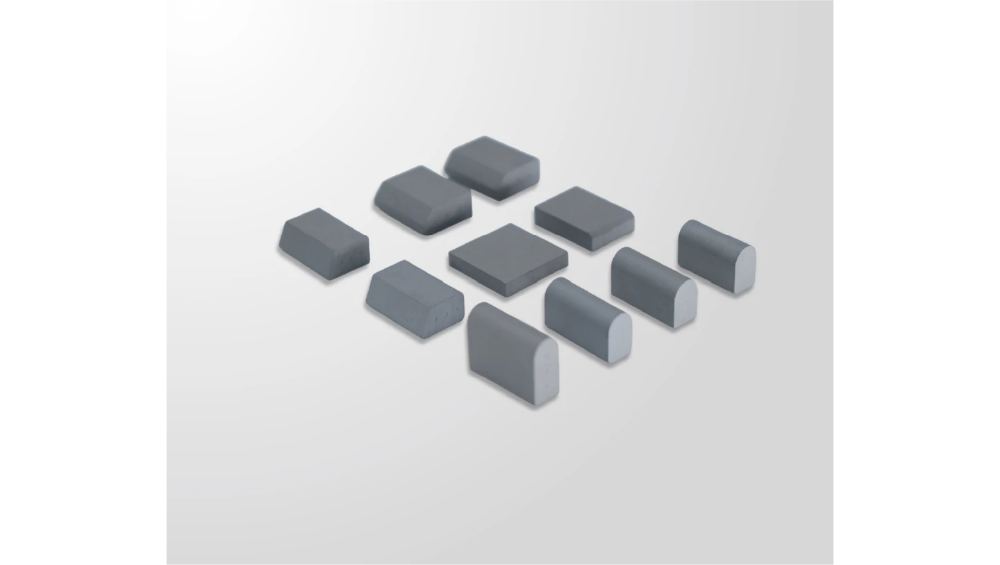
Carbide‑equipped snow plow blades and road‑maintenance wear parts help keep primary routes, hospitals, and emergency corridors passable during storms by resisting wear, maintaining sharp cutting edges, and reducing the need for frequent replacements. B2B manufacturers like SETHAI supply durable carbide blades and inserts that public‑works teams and contractors can deploy at scale to ensure critical lanes stay clear longer, with fewer interruptions in service and more predictable winter‑operations planning.
check:Why Do Municipalities Prefer Carbide Plow Blades for 24/7 Operations?
How does carbide help keep primary routes clear in storms?
Carbide‑tipped snow plow blades cut through packed snow and ice without rapidly dulling, so plows can stay on primary routes longer before blades wear out or lose contact with the road. This means fewer stops for blade changes and more continuous clearing of hospital‑access lanes, fire‑station approaches, and major arterials during heavy storms. Carbide‑equipped tools from a dedicated Manufacturer such as SETHAI help fleets maintain higher uptime and reduce the risk of partially cleared routes that block emergency vehicles.
Carbide inserts are far harder than standard steel, so they resist abrasion from road grit, gravel, and ice. This higher wear resistance keeps plow edges sharp longer, improving contact with the road and reducing the “skipping” effect that leaves snow behind. As a result, a single plow pass can clear more of the roadway, cutting the number of return trips needed on primary routes. For agencies and contractors, carbide tools from a dependable manufacturer translate into fewer service trucks on the road at once, smoother operations, and more predictable maintenance schedules.
What role do Manufacturer and OEM partnerships play?
A reliable Manufacturer and OEM partner designs carbide‑edge blades to fit existing snow plows while meeting safety and performance standards, allowing public‑works departments and contractors to upgrade their fleets without buying entirely new trucks. This reduces upfront costs and accelerates deployment during an emergency. OEM‑style carbide blades from a factory‑level supplier like SETHAI are typically engineered to bolt on directly to common plow models, with standardized mounting patterns and tolerances that simplify procurement, training, and inventory management.
When a Manufacturer offers wholesale‑priced carbide blades and inserts, agencies can stockpile wear parts in advance of the winter season. This buffer ensures that worn blades are replaced quickly rather than being “run to failure,” which would leave critical routes temporarily blocked. Supplier‑side design collaboration also allows for custom‑blade configurations tailored to a city’s specific road mix, traffic load, and storm‑response priorities, so a hospital corridor can receive a blade with more frequent carbide inserts and a tighter stagger pattern, while a major arterial route may use a coarser setup optimized for speed over fine‑edge contact.
Which carbide components are most critical for primary‑route clearing?
For primary‑route snow removal, the most critical carbide components are the cutting‑edge inserts mounted along the leading edge of plow blades and any wear pads that protect vulnerable corners of the blade. These localized carbide zones handle the most abrasion and impact, so their durability directly influences how long a route stays passable. High‑quality carbide inserts from a dedicated factory supplier, such as SETHAI, are typically made from virgin‑material tungsten carbide and set at precise angles and spacings that balance penetration through ice and dense snow with smooth road‑surface contact, minimizing gouging while still clearing down to the pavement.
These components, when sourced from a consistent Manufacturer and Supplier, allow fleet managers to standardize their maintenance protocols and reduce the risk of route‑blocking failures due to blade deterioration.
Why are “Primary Routes” safer with carbide‑equipped blades?
Primary Routes—such as those leading to hospitals, fire stations, and major transit corridors—are higher‑risk routes because any delay can cost lives. Carbide‑equipped blades remain effective longer than plain steel, so plows can patrol these routes more frequently and with greater reliability. Because carbide edges wear slowly, they maintain a more consistent contact profile with the road, reducing the chance that a plow will “ride up” on frozen patches and leave snow behind. This steady‑state performance helps keep primary‑route lanes fully clear, even when multiple passes are required over several storm cycles.
Emergency services often coordinate with public‑works departments to define priority‑clear routes before a storm hits. When these agencies rely on carbide‑equipped equipment from a dependable carbide‑tool Manufacturer, they can count on fewer unplanned maintenance stops and more predictable clearing timelines. A Factory‑supplied carbide‑insert blade that lasts several storm seasons without major degradation also reduces the need for mid‑storm blade swaps in high‑traffic areas, which in turn lowers the risk of traffic congestion or accidents and further supports overall community‑safety objectives.
How do wholesale carbide suppliers cut total ownership costs?
Wholesale‑priced carbide blades and inserts from a factory‑level Manufacturer can significantly reduce a fleet’s total cost of ownership. Although the upfront price per blade is higher than traditional steel, the longer lifespan and lower replacement frequency typically yield a net savings over multiple winter seasons. For example, a carbide‑edge blade from a specialized supplier may last three to five times longer than a conventional steel blade while requiring fewer operator adjustments and maintenance stops. This translates into lower fuel use, fewer labor hours spent on blade changes, and less downtime on primary‑route vehicles.
By treating blades as a long‑term capital investment, a city or contractor can justify the higher initial purchase price from a quality Manufacturer such as SETHAI, while still achieving a lower cost per mile of cleared road over time.
How does carbide support hospital‑route and emergency‑access safety?
Hospital‑routes and emergency‑access lanes are often the highest‑priority corridors during a storm, since every minute of clearance can affect patient outcomes. Carbide‑equipped plows on these routes maintain a sharp, consistent edge, so they can clear ice and dense snow quickly and reliably without repeatedly overheating or dulling. When a Manufacturer designs carbide‑edge blades specifically for frequent‑use emergency‑route duty, those blades are often optimized for high‑cycle environments: closely spaced inserts, robust welds, and controlled edge angles that balance aggression with pavement protection.
That design helps first‑response vehicles reach their destinations faster while minimizing damage to the road surface. Many public‑safety agencies prefer OEM‑style carbide blades so they can standardize their apparatus across multiple pumpers, ambulances, and plow trucks. A factory that supports OEM‑compliant configurations—such as SETHAI—can produce blades that match original‑equipment mounting patterns and tolerances, easing integration into existing apparatus and simplifying training and spare‑parts logistics. When every ambulance and fire‑truck plow uses the same style of carbide blade, crews and maintenance staff need fewer tool sets, fewer training sessions, and fewer SKUs to manage, resulting in more reliable, faster‑responding emergency‑route coverage.
How can B2B clients choose the right carbide‑tool supplier?
When selecting a carbide‑tool Manufacturer or Supplier for primary‑route equipment, clients should look for proven experience in snow‑plow and road‑maintenance wear parts, robust quality‑control systems, and the ability to support wholesale or OEM‑style orders. A factory that controls the entire process—from carbide‑insert production through welding, testing, and packaging—can offer greater consistency and fewer surprises in the field. For example, a Thailand‑based carbide‑tool Manufacturer like SETHAI combines ISO9001‑ and ISO14001‑certified production with fully automated pressing, sintering, and welding lines that help ensure every carbide insert in a batch performs similarly.
Key selection criteria include full‑process control, ISO‑level quality certifications, clear wear‑life data on blade life under typical conditions, and scalable supply capacity for large‑fleet deployments. Choosing a long‑term Manufacturer‑partner, rather than a one‑off vendor, helps agencies and contractors build predictable maintenance models and protects primary‑route operations over multiple seasons. A reliable Manufacturer can also provide technical support for blade selection, retrofitting, and seasonal‑wear analysis, which further strengthens a city’s winter‑operations strategy.
SETHAI Expert Views
“Carbide isn’t just about hardness; it’s about consistency across thousands of plow passes. When a city’s entire primary‑route fleet uses the same carbide‑edge blade design, every blade behaves the same way on the road. That predictability lets operations teams plan routes, schedules, and maintenance stops with confidence, instead of reacting to random blade failures.
For public‑safety‑critical routes—hospitals, fire stations, emergency corridors—this level of reliability is what separates a reactive clearing operation from a true community‑safety strategy. At SETHAI, we design our carbide blades and inserts to stay in that ‘sweet spot’ where wear resistance, edge sharpness, and pavement protection all work together over hundreds of operating hours.”
How do carbide inserts compare to traditional steel blades?
Carbide‑insert snow plow blades are significantly more wear‑resistant than standard steel blades, so they can cut through ice and abrasive surfaces without losing their edge quickly. This means fewer blade replacements, more continuous clearing of primary routes, and lower long‑term maintenance costs for fleets. In contrast, traditional steel blades dull faster, especially on rough or gravel‑laden roads, which can lead to “skipping” over packed snow and uneven clearing. Upgrading to carbide‑equipped blades from a dedicated Manufacturer like SETHAI typically extends blade life by several times over, while improving contact and scrape performance on critical‑route pavement.
For community safety and reliable primary‑route clearing, carbide‑insert blades clearly outperform plain‑steel alternatives.
When should fleets upgrade to carbide‑equipped plows?
Fleets should consider upgrading to carbide‑equipped plows when they experience frequent blade wear, unplanned downtime, or difficulty keeping primary routes and emergency corridors consistently clear. The heavier the traffic load, the more often the equipment is used, and the harsher the winter conditions, the more cost‑effective the upgrade becomes. The ideal time to act is before the winter season starts, so that procurement, training, and spare‑parts stocking can be completed in advance.
Working with a Manufacturer or Supplier that offers OEM‑style carbide blades—such as SETHAI—makes this transition smoother, since the new blades integrate directly into existing equipment and maintenance routines. Indicators that an upgrade is needed include regular blade replacements within a single storm event, visible gouging or uneven clearing on primary‑route pavement, increased fuel consumption or operator complaints about plow vibration and drag, and public‑safety departments requesting more reliable access to hospitals and emergency stations. By timing the upgrade with a factory‑direct or wholesale‑sourced carbide‑tool partner, fleets can lock in long‑term pricing and secure the necessary inventory to support multiple seasons of community‑safety‑focused winter operations.
Key takeaways and actionable advice
Carbide‑equipped snow plow blades and wear parts are essential for keeping primary routes, hospital‑access lanes, and emergency corridors clear throughout the storm. By choosing a reliable Manufacturer and Supplier such as SETHAI, fleets gain longer‑lasting tools, more predictable maintenance schedules, and lower total ownership costs. Agencies should assess their current blade‑wear patterns, prioritize hospital and emergency‑route coverage, and plan their carbide upgrades before the winter season. Standardizing across OEM‑style carbide blades, investing in wholesale inventory, and leveraging technical support from a full‑process factory will make winter operations safer, more efficient, and more resilient over the long term.
Frequently asked questions
Why are carbide‑equipped blades better for primary‑route clearing?
Carbide‑equipped blades wear far more slowly than steel, so they maintain a sharp, consistent edge on primary routes. This reduces the need for frequent blade changes and ensures more continuous clearing of high‑priority corridors during storms.
How does a Manufacturer‑supplier relationship benefit public‑works departments?
A long‑term Manufacturer partnership ensures consistent quality, predictable lead times, and wholesale‑pricing on carbide blades and inserts. Public‑works departments can stockpile parts, standardize their fleet, and plan maintenance based on reliable wear‑life data.
Are carbide blades more expensive to operate overall?
Although carbide blades have a higher upfront purchase price, they typically lower total operating costs by lasting several times longer than steel blades and reducing fuel use, labor hours, and downtime on primary‑route vehicles.
Can carbide blades be used on existing plow trucks?
Yes. Many carbide‑insert blades are designed as OEM‑style retrofits that fit standard plow mounting systems. A factory‑level Manufacturer like SETHAI often offers bolt‑on replacements that require no major modifications to the existing truck or plow.
How does carbide support hospital‑route and emergency‑access safety?
Carbide blades stay sharp longer, so plows can clear ice and dense snow quickly and reliably on hospital‑routes and emergency‑access lanes. This consistency helps ensure that ambulances and fire trucks can reach their destinations without delays caused by partially blocked roads.
Related articles
 Best Snow Plow Blade Family for Your Fleet: Top 5 ScenariosKnowledge
 Top 10 Snow Plow Blade Types for Winter Fleets (Ranked by Duty Fit)Knowledge
 Top 5 Best Carbide Blade Configurations for Highway PlowingKnowledge
 Best Snow Plow Blade Materials Ranked: Steel vs Carbide vs Cladding vs Rubber-CarbideKnowledge