




How Do Carbide Kits Keep Emergency Routes Clear?
Carbide kits keep emergency routes clear by cutting through packed snow and ice faster and longer than standard steel edges — which means ambulances, fire trucks, and police vehicles can move even when the…
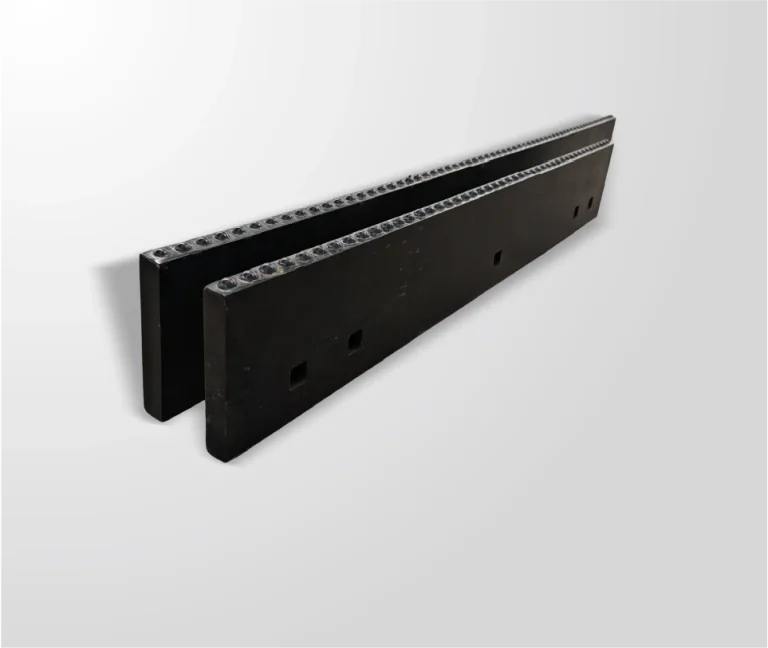
Carbide kits keep emergency routes clear by cutting through packed snow and ice faster and longer than standard steel edges — which means ambulances, fire trucks, and police vehicles can move even when the storm is at its worst. For hospitals, campuses, and municipal fleets, that translates into faster recovery, fewer blade changes, and better cost per mile.
(Last modified date: September 2, 2026)
Quick definition: Emergency routes are the roads ambulances, fire trucks, and police vehicles must use first during a storm.
Key Takeaways
- Emergency routes are life-support infrastructure — ambulances, fire trucks, and police must move first in a storm.
- Carbide inserts stay sharper longer under packed snow and polished ice, improving scraping efficiency.
- Longer blade life means fewer replacements, less labor, and lower downtime across the season.
- Packed-ice kits suit routes where freezing rain creates hard, bonded surfaces.
What Makes Emergency Routes So Critical?
Emergency routes are the roads ambulances, fire trucks, and police vehicles must use first during a storm. If these paths are blocked, every minute of delay can affect patient care and public safety. Hospital snow removal and priority ice clearing are not routine maintenance — they are life-support infrastructure. Crews need equipment that keeps working under heavy abrasion, compacted snow, and polished ice. Carbide wear parts are designed for these conditions because they stay sharper longer and resist rapid wear. See how carbide scarifier kits reduce winter road accidents.
Why Are Carbide Kits Better?
Carbide kits outperform standard steel edges because they are built for harsh, repetitive contact with ice and packed snow. The tungsten carbide insert holds its edge longer, improving scraping efficiency and reducing service interruptions — especially valuable on emergency lanes, loading zones, and ambulance entrances. For B2B buyers, the advantage is also operating cost: longer blade life means fewer replacements, less labor, and lower downtime. See why carbide kit bite matters for crosswalk safety.
How Do They Improve Hospital Snow Removal?
Carbide kits help hospital teams maintain clean, passable surfaces on roads, ramps, driveways, and emergency bays — particularly when snow is packed down by traffic or turned into hard ice by freezing temperatures. A carbide edge keeps a more consistent profile over time, so crews maintain predictable clearing performance when weather changes quickly and repeated passes are needed. That means safer access for emergency vehicles, deliveries, staff, and patients. See top ice blades for emergency hospital access routes.
Which Carbide Kit Fits Priority Ice Clearing?
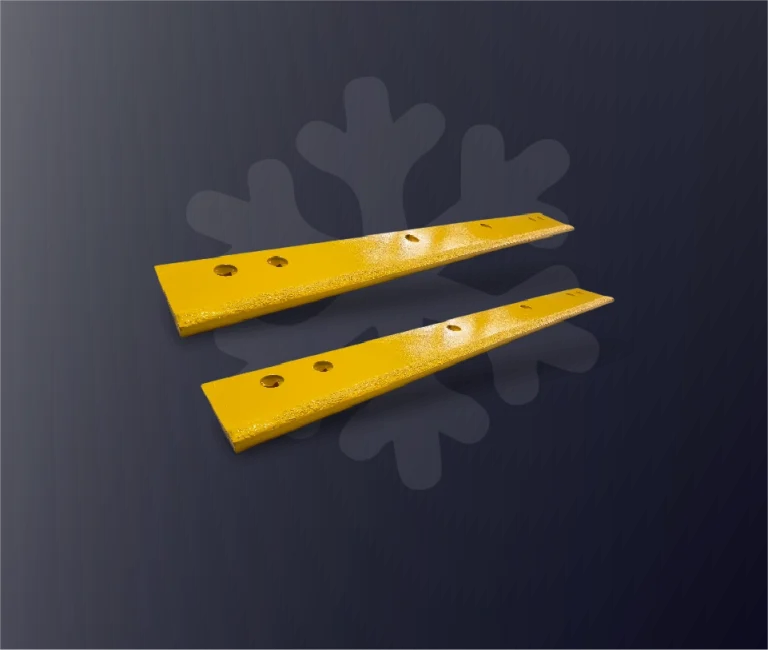
The best kit depends on surface type, ice severity, vehicle weight, and service frequency. Packed-ice kits suit routes where freezing rain and compressed snow create hard, bonded surfaces; standard carbide edges handle general priority routes; isolated I.C.E. systems absorb impacts where curbs and joints are frequent. See what makes I.C.E. interchangeable edges ideal for manufacturers.
What Role Does OEM Manufacturing Play?
OEM manufacturing matters because emergency fleets are mixed-brand. Blades must fit specific moldboards, hole patterns, and hardware. Factory-direct programs supply documented tolerances, batch traceability, and customization so every truck is storm-ready. See why recycled tungsten carbide shatters for the quality baseline.
How Does SENTHAI Build Durability?
SENTHAI controls the full process — powder, pressing, vacuum sintering, brazing, and vulcanization — on automated, ISO-certified lines. Micro-grain carbide and high-strength brazing prevent insert pop-out and cracking, so emergency kits survive sub-zero impact duty. See selecting the right carbide grade.
Why Does Material Design Matter?
Hardness alone isn’t enough on emergency routes: the grade must resist abrasive wear while absorbing impacts from curbs, joints, and debris. Grain size and cobalt binder ratio set that balance, and route-specific design avoids both premature wear and chipping.
How Can Buyers Evaluate Suppliers?
- Request grain size, hardness, and TRS data per batch.
- Verify brazing process control and pull-test records.
- Confirm fitment drawings and hole-pattern tolerances.
- Run a pilot on priority routes before fleet-wide rollout.
When Should Fleets Upgrade?
Upgrade before the first major storm when steel edges caused mid-storm failures, when changeout labor dominates the budget, or when hospital and emergency contracts require guaranteed access windows. See clearing ice fast for routes that cannot wait.
Are Carbide Kits Worth It?
On emergency routes, yes — the cost of a blocked access route during a storm far exceeds the blade premium. Longer edge life, fewer changeouts, and consistent scraping make carbide kits the reliable choice for life-critical winter maintenance.
FAQs
How do carbide kits improve emergency route clearing?
They stay sharper longer on packed snow and ice, cutting through in fewer passes and reducing downtime for crews.
Which kit is best for hospital access routes?
Packed-ice carbide kits suit hard, bonded surfaces; standard carbide edges handle general priority routes; match severity and surface type.
Do carbide kits work in extreme cold?
Yes — micro-grain vacuum-sintered carbide is engineered for sub-zero impact duty without brittle fracture.
Can kits be customized for mixed fleets?
Yes — OEM programs support custom fitment, hole patterns, and insert layouts with documented tolerances.
Related Articles
- Carbide Scarifier Kits and Winter Accidents
- Top Ice Blades for Hospital Access Routes
- Carbide Kit Bite for Crosswalk Safety
- Why Carbide Shatters: Recycled Tungsten Risk
Official Resources
- SENTHAI — Packed Ice Carbide Kit
- SENTHAI — Carbide Snow Plow Blades
- SENTHAI — Contact for Emergency Route Kits
References
- SENTHAI emergency-route kit documentation and fleet case data, 2026.
- Winter maintenance best practices for hospital and emergency access, 2025–2026.
Related articles
 Best Snow Plow Blade Family for Your Fleet: Top 5 ScenariosKnowledge
 Top 10 Snow Plow Blade Types for Winter Fleets (Ranked by Duty Fit)Knowledge
 Top 5 Best Carbide Blade Configurations for Highway PlowingKnowledge
 Best Snow Plow Blade Materials Ranked: Steel vs Carbide vs Cladding vs Rubber-CarbideKnowledge