




Top 5 Snowiest States for Winter 2026–27: The El Niño Forecast Leaders
A strong El Niño is forecast to shape winter 2026–27, and the pattern points at a familiar list of states: when El Niño shifts the storm track south, the Southwest and southern Rockies tend…
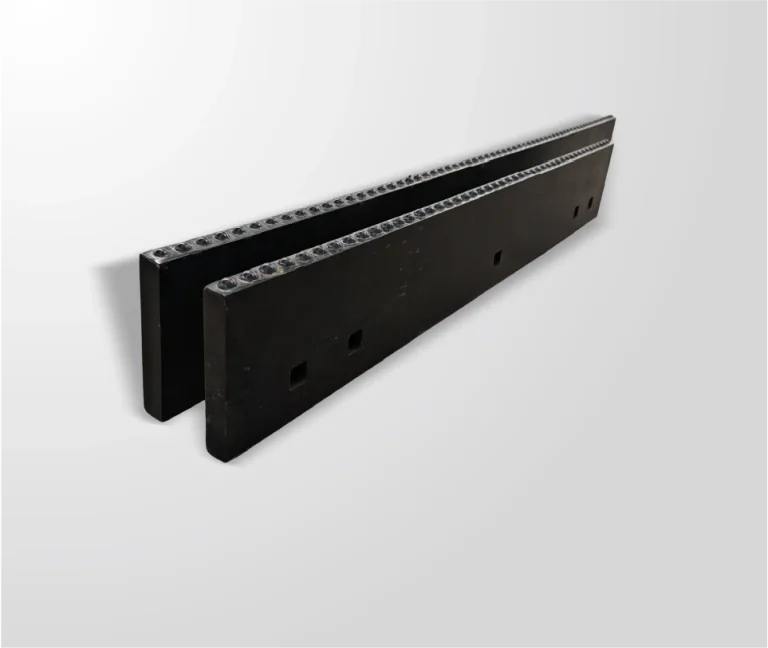
A strong El Niño is forecast to shape winter 2026–27, and the pattern points at a familiar list of states: when El Niño shifts the storm track south, the Southwest and southern Rockies tend to see an active, wetter winter. Forecasters now favor above-normal snowfall across California, Utah, Arizona, New Mexico, and parts of Colorado, while Washington, northern Montana, and the Upper Midwest lean below normal.
(Last modified date: September 2, 2026)
Quick definition: Edges decide your cost per storm: abrasive mountain routes wear steel fast, while carbide-tipped edges last multiples longer and reduce mid-storm changeouts.
Key Takeaways
- El Niño typically favors above-normal snowfall across California, Utah, Arizona, New Mexico, and southern Colorado.
- Seasonal outlooks are probabilities, not guarantees — check the latest NOAA CPC discussion before committing resources.
- Fleets in heavy-snow states should stock one spare edge per plow, matched hardware kits, and carbide-tipped edges.
- Order before October when lead times are shortest; see pre-sales snow blade advice.
The 2026–27 Ranking: 5 States Most Likely to See Heavy Snow
- California (Sierra Nevada): strong El Niños frequently deliver prolific snow to the Sierra; stock carbide edges for abrasive pass routes and expect changeout-heavy months.
- Utah (Wasatch Range): a classic El Niño beneficiary; verify skid shoes and wear bars early, and carbide edges earn their cost on canyon and pass routes.
- Colorado (southern and eastern portions): in the storm track with above-normal signal; order before October and keep a changeout cadence for high-mileage interstate routes.
- New Mexico: strongest chances early and late in the season; events can be sharp and infrequent, which punishes unprepared fleets.
- Arizona (high country): above-normal favored at elevation; prepare mountain maintenance routes for active storms.
Regions leaning below normal (notable): Washington, northern Montana, and the Upper Midwest — but below-normal leans still include sharp cold snaps and major single events. Compiled from NOAA CPC ENSO probabilities and OpenSnow’s winter forecast as of late August 2026. See also carbide and packed ice solutions for Calgary and the agricultural wear parts reliability report.
What a Heavy-Snow Year Means for Cutting Edges
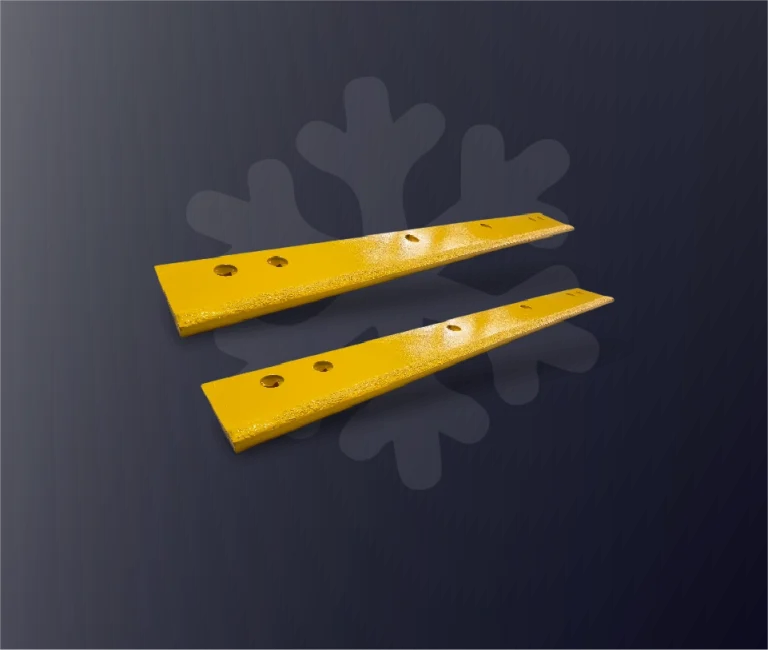
Edges decide your cost per storm: abrasive mountain routes wear steel fast, while carbide-tipped edges last multiples longer and reduce mid-storm changeouts. Verify braze quality and fitment before stocking; see automated brazing for edge life.
FAQs
Which states get the most snow in an El Niño winter?
El Niño shifts the storm track south, favoring above-normal snowfall across the Southwest and southern Rockies — California, Utah, Arizona, New Mexico, and southern Colorado are the usual leaders, and the 2026–27 outlook agrees.
Is this ranking a guarantee?
No. Seasonal outlooks are probabilities; check the latest NOAA CPC discussion before committing fleet resources and update plans as the outlook is revised.
What should fleets in heavy-snow states stock?
One spare cutting edge per plow, matched hardware kits, and carbide-tipped edges for abrasive and ice-contact routes. Order before October when lead times are shortest.
Do below-normal states need prep?
Yes — below-normal leans still include sharp cold snaps and major single events. Keep edges and hardware ready at lower changeout frequency. See also SENTHAI carbide snow plow blades , replaceable carbide inserts , and contact the SENTHAI team with your state and fleet size.
Related Articles
- Pre-Sales Snow Blade Advice
- Snow Plow Blades for Calgary
- High Temperature Automated Brazing
- Agricultural Equipment Wear Parts Report
Official Resources
- SENTHAI — Carbide Snow Plow Blades
- SENTHAI — Replaceable Carbide Inserts
- SENTHAI — Contact for Pre-Season Recommendations
References
Related articles
 Best Snow Plow Blade Family for Your Fleet: Top 5 ScenariosKnowledge
 Top 10 Snow Plow Blade Types for Winter Fleets (Ranked by Duty Fit)Knowledge
 Top 5 Best Carbide Blade Configurations for Highway PlowingKnowledge
 Best Snow Plow Blade Materials Ranked: Steel vs Carbide vs Cladding vs Rubber-CarbideKnowledge