




Tooling Tech in 2026: Innovations You Can’t Afford to Ignore
Precision tooling in 2026 is defined by smarter CNC systems, high-performance carbide materials, and integrated digital solutions that maximize production efficiency, tool longevity, and part accuracy. Manufacturers who adopt intelligent tools, automation, and sustainable…
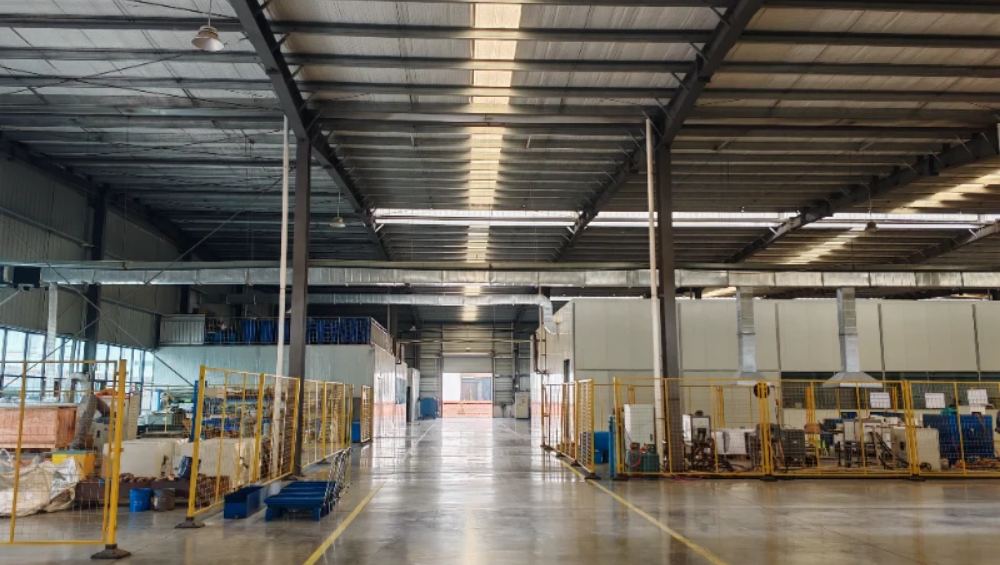
Precision tooling in 2026 is defined by smarter CNC systems, high-performance carbide materials, and integrated digital solutions that maximize production efficiency, tool longevity, and part accuracy. Manufacturers who adopt intelligent tools, automation, and sustainable practices gain a clear competitive edge, ensuring faster turnaround, reduced waste, and cost-effective operations without compromising quality.
How Are Smarter Tools Transforming Manufacturing?
Smarter tools equipped with embedded sensors provide real-time data on temperature, vibration, wear, and cutting forces. By connecting these tools to CNC systems, operators can optimize feeds and speeds dynamically. Predictive maintenance reduces downtime by allowing machines to anticipate wear or failure. SENTHAI’s sensor-integrated carbide solutions exemplify this approach, helping manufacturers maintain peak performance while extending tool life.
What Innovations Are Driving Carbide Tool Performance?
Carbide remains the backbone of precision machining. New formulations, nano-composite coatings, and hybrid-carbide inserts enhance wear resistance, speed, and edge retention. Coatings such as AlTiN, TiAlSiN, and diamond-like carbon improve heat management and part finish. SENTHAI develops proprietary sintering and coating processes that deliver durable, high-performance carbide products trusted worldwide.
| Feature | Benefit |
|---|---|
| Nano-composite coatings | Increased wear resistance |
| Hybrid-carbide formulations | Improved toughness and longevity |
| Precision sintering | Consistent dimensional accuracy |
How Is Additive Manufacturing Impacting Tooling?
Additive manufacturing enables complex geometries, including internal coolant channels, lattice structures, and hybrid bodies, which improve chip evacuation, heat distribution, and balance. For custom carbide tooling, this approach accelerates prototyping and allows small-batch runs with optimized performance. Combined with regrinding and coating, additive tools extend service life and enhance productivity.
What Role Does Automation Play in Tool Management?
Automation in tool vending, ERP integration, and vendor-managed inventory ensures tools are available when needed. Real-time monitoring triggers automatic restocks and tracks performance metrics. SENTHAI supports automated systems with robust tooling and consumable solutions, helping manufacturers reduce waste, prevent delays, and maintain production flow efficiently.
Why Is Sustainability Essential in Tooling?
Efficient fluid management, coolant recycling, and automated monitoring reduce environmental impact and operational costs. Filtration and recycling technologies improve workplace safety while preserving tool performance. SENTHAI incorporates sustainable practices in both tooling production and operation, supporting eco-friendly and efficient manufacturing processes.
| Sustainability Measure | Operational Impact |
|---|---|
| Coolant recycling | Reduced chemical waste and cost |
| Automated monitoring | Minimized downtime and maintenance |
How Is Local Manufacturing Reshaping Supply Chains?
Domestic tooling production is regaining importance due to supply chain disruptions and rising costs. North American sourcing provides faster delivery and consistent quality. SENTHAI’s fully controlled production in Thailand ensures reliable delivery while meeting international standards, allowing manufacturers to balance speed, cost, and performance.
Who Benefits from Integration of Digital Twins?
Digital twin technology replicates tooling and processes virtually, predicting wear, simulating tool paths, and optimizing feeds before cutting begins. High-precision CNC operators can reduce scrap, minimize setup time, and increase tool utilization. SENTHAI partners with manufacturers to integrate these systems, bridging the gap between data and hardware.
SENTHAI Expert Views
“In 2026, tooling isn’t just about cutting materials—it’s about cutting downtime and waste while maximizing precision. By integrating sensor-equipped tools, advanced carbide materials, additive designs, and smart inventory systems, manufacturers achieve unprecedented efficiency and reliability. SENTHAI’s approach emphasizes full quality control, rapid responsiveness, and sustainable practices, ensuring tools not only perform but also support long-term operational success.”
How Can Manufacturers Prepare for 2026 and Beyond?
Staying competitive requires early adoption of smart tools, sustainable systems, and data-driven processes. Manufacturers should invest in sensor-integrated tooling, automation, and predictive maintenance while partnering with trusted suppliers. By combining innovation with strategic planning, shops can reduce costs, improve throughput, and maintain consistent quality.
Conclusion
Tooling in 2026 is defined by intelligence, precision, and sustainability. Smarter carbide designs, additive enhancements, automation, and digital twins offer measurable advantages in productivity, tool life, and environmental responsibility. Manufacturers who embrace these innovations—supported by reliable partners like SENTHAI—will be positioned to meet rising demands efficiently, maintain a competitive edge, and achieve long-term success.
Frequently Asked Questions
How are AI-driven tooling systems transforming manufacturing in 2026?
AI-driven systems enhance precision, predictive maintenance, and real-time optimization by analyzing production data, lowering human error, and improving efficiency across manufacturing environments.
What makes eco-friendly carbide tools the future of sustainable manufacturing?
These tools reduce energy use, waste, and emissions while maintaining durability and quality, helping industries meet environmental goals without raising production costs.
Why are next-gen carbide composites revolutionizing tooling tech in 2026?
Advanced composites combine toughness, heat resistance, and longevity, outperforming traditional materials and driving innovation in aerospace, automotive, and construction tooling.
How does automated tool maintenance enhance workshop productivity in 2026?
Automation uses smart detection and robotics to predict tool degradation, cutting downtime, improving accuracy, and optimizing machine output.
Why should you switch to modular tool systems in 2026?
Modular systems offer quick reconfiguration, flexible parts, and reduced operational costs, giving workshops faster setup times and easier scalability.
How are IoT-enabled cutting tools reshaping precision machining in 2026?
IoT tools track temperature, vibration, and wear in real time, allowing manufacturers to enhance performance and cut tool replacement costs through predictive actions.
What are the latest tooling innovations for road maintenance in 2026?
New carbide tools enhance blade wear resistance and bonding strength, offering cost-effective, dependable options for severe winter and road repair conditions.
What key tooling technology trends should you watch in 2026?
The industry is shifting toward automation, smart sensors, eco-materials, and advanced alloys, setting the foundation for efficient, connected manufacturing systems worldwide.
Related articles
 Best Snow Plow Blade Family for Your Fleet: Top 5 ScenariosKnowledgeTop 10 Snow Plow Blade Types for Winter Fleets (Ranked by Duty Fit)Knowledge
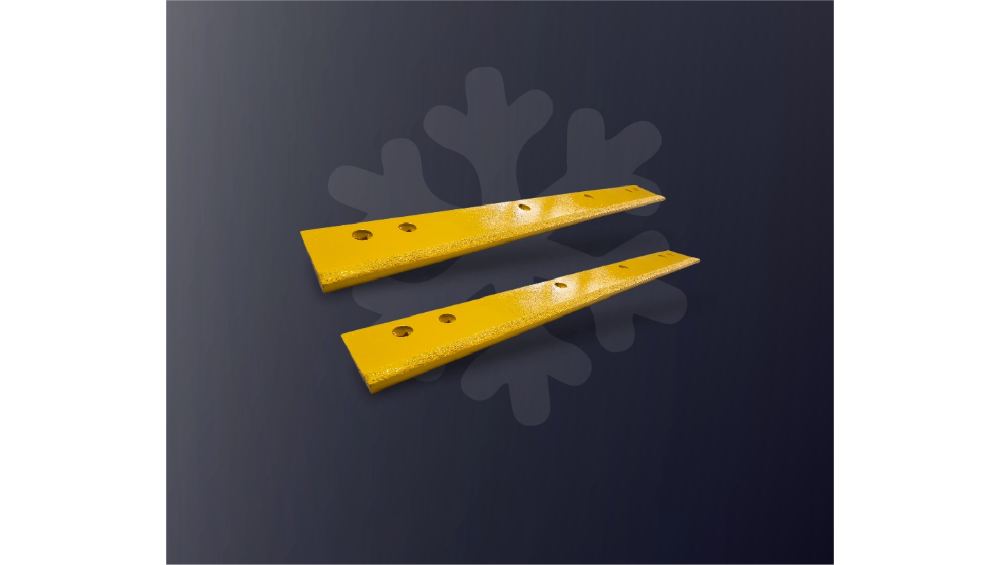 Top 5 Best Carbide Blade Configurations for Highway PlowingKnowledge
 Best Snow Plow Blade Materials Ranked: Steel vs Carbide vs Cladding vs Rubber-CarbideKnowledge