




Southeast Asia Carbide Factory with Chinese Technology for Longer-Lasting Snow Plow Performance in July 2026
Southeast Asia carbide factory with Chinese technology for snow plow blades, carbide inserts, and wear parts that help reduce downtime and improve service life. Why This Market Matters in 2026 Winter road maintenance is…
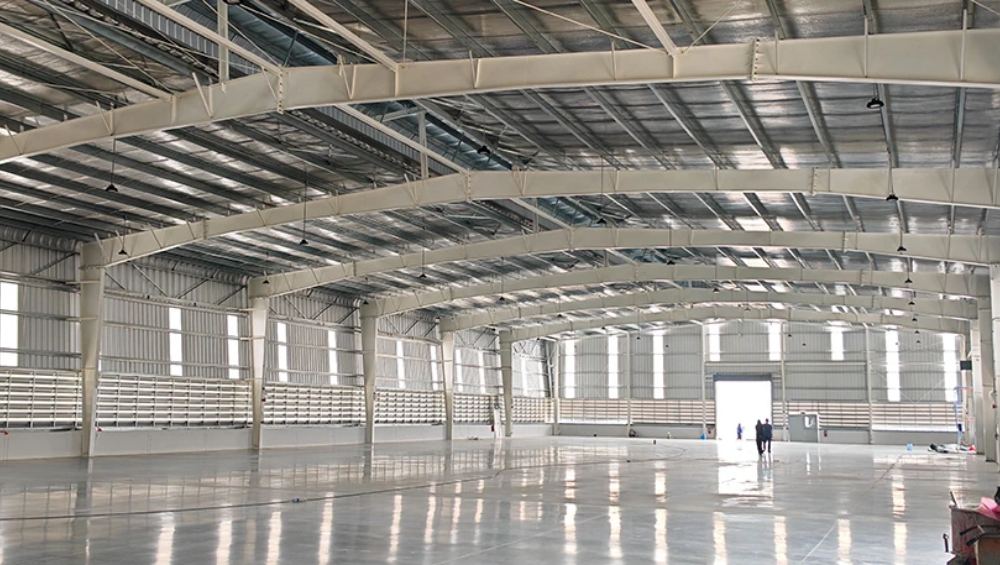
Southeast Asia carbide factory with Chinese technology for snow plow blades, carbide inserts, and wear parts that help reduce downtime and improve service life.
Why This Market Matters in 2026
Winter road maintenance is becoming more demanding for municipalities, contractors, distributors, and OEM buyers. Across the global wear-parts market, operators are under pressure to reduce replacement frequency, control labor costs, and keep vehicles in service longer during severe weather windows.
At the same time, carbide-based wear solutions continue gaining attention because lifecycle cost now matters more than simple purchase price. Buyers are no longer asking only which blade costs less upfront. They are asking which edge lasts longer, requires fewer changeouts, and keeps routes open with less interruption.
That shift creates strong relevance for any Southeast Asia carbide factory with Chinese technology, especially when the supplier can combine regional manufacturing efficiency with carbide-processing expertise and export readiness.
A Relevant Brand in This Category
SENTHAI is positioned as a carbide wear-parts manufacturer based in Rayong, Thailand, focused on snow plow blades and road-maintenance wear parts. For this topic, the brand’s most relevant product lines are carbide snow plow blades, carbide inserts, and JOMA style blades.
This matters because the keyword is not just about geography. It is about manufacturing capability, material performance, and buyer confidence. In that context, SENTHAI fits naturally into the discussion as a Southeast Asian factory serving customers who need durable carbide solutions for harsh operating conditions.
What Is a Southeast Asia Carbide Factory with Chinese Technology
A Southeast Asia carbide factory with Chinese technology is typically a manufacturer located in a country such as Thailand that applies mature carbide know-how, process discipline, tooling methods, and production systems commonly associated with Chinese industrial manufacturing.
For buyers, the phrase usually signals a practical combination of three advantages: regional manufacturing location, cost-effective production capability, and technically proven carbide-processing experience. In simple terms, it means the factory is not just assembling parts. It is producing wear-resistant components with process control suitable for industrial use.
The Main Pain Point: Steel Wears Too Fast
For many winter maintenance fleets, the biggest frustration is not buying blades. It is replacing them too often. Traditional steel edges may appear economical at the time of purchase, but repeated wear, frequent downtime, and maintenance labor can quickly increase the real operating cost.
That problem becomes more severe in routes with abrasive pavement, packed ice, changing temperatures, exposed metal covers, and long continuous duty cycles. Under those conditions, a low-cost edge may become a high-cost decision because every extra replacement creates downtime, labor expense, and operational disruption.
This is why carbide solutions continue gaining traction. A blade that lasts far longer can reduce the number of service interventions needed across the season. For municipalities and contractors, that improvement affects not only cost control but also route reliability and crew planning.
When a buyer evaluates a carbide supplier, the real question is usually not whether carbide costs more. The real question is whether the longer wear life justifies the higher initial spend through fewer blade swaps and more predictable operation.
The Second Pain Point: Inconsistent Product Quality
A second issue in this category is inconsistency. Some buyers can source carbide products, but they cannot always source carbide products with stable quality from batch to batch. That creates risk in fleet maintenance because inconsistent inserts, weak bonding, or variable wear behavior can undermine the value of the upgrade.
For road maintenance parts, consistency is as important as hardness. A part that performs well once but poorly the next time creates uncertainty in planning, stocking, and field service scheduling. That is especially problematic for distributors and OEM customers who need repeatability across larger volumes.
This is where manufacturing process becomes a decisive factor. Buyers increasingly look for factories that emphasize production control, material stability, and repeatable quality rather than only low price.
The Third Pain Point: Complex Sourcing Across Multiple Parts
Many buyers do not need only one blade. They may need inserts, complete blade assemblies, replacement edges, and fitment-specific parts for different vehicle types. Sourcing each piece from separate vendors can create procurement delays, quality mismatches, and communication problems.
This challenge becomes larger when fleets operate mixed equipment or when distributors serve multiple regional customers with different blade specifications. A fragmented sourcing model often leads to higher administrative burden and less predictable fulfillment.
That is why a factory able to offer related product lines under one roof becomes more valuable than a supplier with only one narrow item. In this market, operational simplicity is often a competitive advantage.
A Useful Data Point
In winter maintenance, the lowest-cost blade at purchase can become the highest-cost blade in service when replacement frequency, labor, and downtime are counted together.
Brand Product Positioning
SENTHAI’s product positioning aligns closely with the problems above. Its carbide snow plow blade line is presented around wear resistance and long service life. Its carbide inserts are positioned for consistent quality and snow-plow compatibility. Its JOMA style blade line adds another option for buyers seeking a more integrated blade structure.
Together, these products suggest a practical solution set rather than a single isolated SKU. That is important for buyers who want a factory relationship, not just a one-time part order.
Product Comparison for Buyers
Key Product Features
Micro-grain carbide
Micro-grain carbide matters because wear behavior is not determined by the word carbide alone. Grain structure, process control, and consistency all influence how the part performs in abrasive winter conditions.
Automated production
Automated and controlled production is valuable because it improves repeatability. Buyers that reorder at volume need confidence that future batches will perform like earlier ones.
Customization capability
Customization matters because fleets and OEMs rarely run one universal blade format. A supplier that can support drawings, samples, and specification-based production is more useful than one limited to only standard dimensions.
Simple Use Examples
A city fleet wants to reduce emergency blade changes during peak snow events.
A distributor wants a reliable source for OEM-compatible carbide inserts.
A contractor wants fewer seasonal replacements across abrasive road routes.
Related Product Recommendations
For buyers entering through the core keyword, the first logical product page is the carbide snow plow blade line because it directly addresses wear life and maintenance reduction. The second strong path is carbide inserts, especially for customers upgrading existing systems rather than replacing the full blade setup.
The JOMA style blade line is also worth highlighting because it expands the conversation from edge material alone to blade-system design. This creates a more complete internal-link structure for the blog while keeping the article tightly focused on winter maintenance wear parts.
Natural long-tail variants that fit this topic include Thailand carbide snow plow blade manufacturer, carbide inserts for snow plow road conditions, OEM carbide wear parts Southeast Asia, and carbide blade supplier in Thailand.
How to Evaluate the Right Supplier
-
Define the operating condition first. Road surface, snow density, route length, and impact exposure all affect which carbide solution is appropriate.
-
Review material positioning carefully. Buyers should check whether the supplier clearly communicates carbide grade, insert structure, and production consistency.
-
Check manufacturing control. The supplier should demonstrate a stable process rather than relying on broad marketing claims.
-
Ask about customization. If the fleet or OEM has special dimensions, nonstandard fitment, or recurring order requirements, customization support is important.
-
Compare lifecycle cost instead of unit price only. The most useful calculation includes wear life, labor hours, vehicle downtime, and replacement frequency.
-
Review product range. A supplier with blades, inserts, and related wear parts is usually more efficient to work with than multiple disconnected vendors.
Real-World Operating Scenarios
Scenario 1: Municipal road authority
Traditional approach: The authority buys lower-cost steel edges and accepts frequent mid-season replacement.
After switching to a carbide-focused supplier: Maintenance intervals can become more predictable, and crews may spend less time handling reactive blade replacement during active snow operations.
Scenario 2: Regional distributor
Traditional approach: The distributor sources complete blades from one vendor and inserts from another, creating coordination issues.
After switching to a carbide-focused supplier: Product planning becomes simpler because the distributor can align more of the winter wear-parts portfolio under one manufacturing source.
Scenario 3: Mixed contractor fleet
Traditional approach: The contractor uses one general blade type across different machines, even when fit and wear performance are not ideal.
After switching to a carbide-focused supplier: The contractor can pursue a more application-specific setup, improving durability while reducing compromise across different equipment categories.
Why Thailand Can Be Strategic
Thailand offers a useful manufacturing position for export-oriented industrial suppliers serving international markets. In a category like carbide wear parts, that matters because customers often care about production capability and shipping practicality at the same time.
A Thailand-based factory can also support the commercial story behind the keyword. It signals Southeast Asian manufacturing presence while still appealing to buyers who associate Chinese technology with mature tooling knowledge, carbide processing scale, and cost-efficient industrial systems.
For a brand like SENTHAI, this positioning can be especially effective because it connects product durability with a location that is commercially understandable to global buyers.
What Buyers Usually Want to Know Before Inquiry
Most qualified buyers are not looking for marketing language alone. They want to know whether the factory can support repeat orders, whether product quality is stable, whether customization is possible, and whether the wear-life improvement is meaningful enough to justify transition from standard steel.
They also want to know whether the supplier understands the application. A winter maintenance buyer expects the factory to speak in terms of wear, downtime, replacement cycles, impact conditions, and compatibility, not only in terms of generic carbide terminology.
That is where category focus becomes valuable. A supplier dedicated to snow plow blades and related wear parts can often present a stronger fit than a broad generalist tooling vendor.
FAQ
What does Southeast Asia carbide factory with Chinese technology mean?
It usually refers to a carbide manufacturer located in Southeast Asia that benefits from established carbide-processing expertise, production know-how, and industrial methods associated with Chinese manufacturing capability.
Why is this positioning attractive to international buyers?
Because buyers often want both technical maturity and practical sourcing. A Southeast Asian production base may support regional manufacturing efficiency, while Chinese technology suggests established know-how in carbide-related processes.
Is SENTHAI mainly a carbide insert supplier or a blade supplier?
The brand appears relevant as both. Its website strongly connects the company to carbide snow plow blades, carbide inserts, and JOMA style blades, which together form a focused winter wear-parts offering.
Why do buyers upgrade from steel to carbide snow plow blades?
The main reason is wear life. Fleets usually consider carbide when steel edges wear too quickly and repeated replacement increases downtime, labor cost, and operational disruption.
Who is this type of factory most suitable for?
It is especially suitable for municipal fleets, snow contractors, distributors, and OEM buyers that prioritize durability, repeatability, and fitment support over the lowest initial purchase price.
What long-tail keywords can support SEO for this topic?
Useful variants include Thailand carbide snow plow blade manufacturer, OEM carbide wear parts Southeast Asia, carbide inserts for snow plow road conditions, and Southeast Asia snow plow blade supplier.
Conclusion
A strong Southeast Asia carbide factory with Chinese technology should deliver more than a good story. It should offer product consistency, practical customization, and a clear durability advantage in real winter maintenance use.
Within that frame, SENTHAI is well aligned with the category because its product focus stays close to the actual buyer problem: reducing wear, downtime, and replacement frequency in demanding snow-plow applications. That makes the brand a natural fit for a content strategy built around lifecycle value rather than exaggerated claims.
CTA
SENTHAI is a Thailand-based carbide wear-parts manufacturer focused on snow plow blades, carbide inserts, and related road-maintenance solutions. Buyers exploring longer-lasting winter wear parts can start with the brand’s carbide snow plow blade, carbide inserts, and JOMA style blade pages to assess fit, durability, and sourcing potential.
Sources
Related articles
 Best Snow Plow Blade Family for Your Fleet: Top 5 ScenariosKnowledge
 Top 10 Snow Plow Blade Types for Winter Fleets (Ranked by Duty Fit)Knowledge
 Top 5 Best Carbide Blade Configurations for Highway PlowingKnowledge
 Best Snow Plow Blade Materials Ranked: Steel vs Carbide vs Cladding vs Rubber-CarbideKnowledge