




Snow Blade Testing & Inspection Protocols: Complete Guide
Snow blade testing and inspection protocols ensure reliable performance during harsh winter conditions. These quality-controlled production methods help identify wear early and extend equipment life. Snow Blade Testing Basics Snow blade testing starts with…
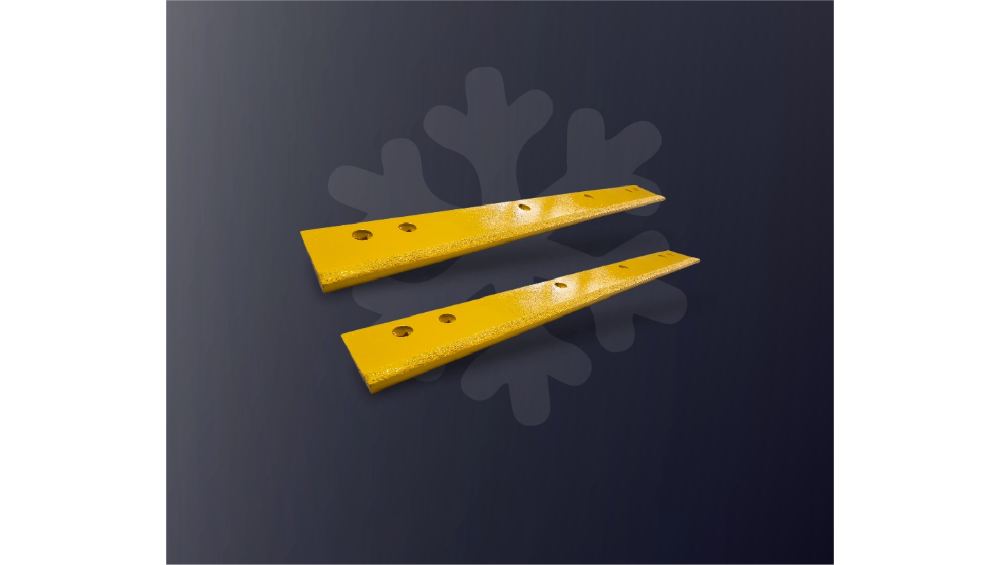
Snow blade testing and inspection protocols ensure reliable performance during harsh winter conditions. These quality-controlled production methods help identify wear early and extend equipment life.
Snow Blade Testing Basics
Snow blade testing starts with visual checks for cracks, bends, or excessive wear on the cutting edge. Inspectors measure blade thickness, ensuring it remains above 50% of original specs to maintain plowing efficiency. Proper snow plow blade inspection protocols also verify mounting hardware torque and hydraulic connections for leak-free operation.
Regular snow blade quality control during production involves checking carbide inserts for bonding strength and surface uniformity. Field tests simulate real-world abrasion from ice, sand, and salt, revealing how blades hold up under repeated impact. These steps prevent unexpected failures that could halt road clearing operations.
Hardness Testing Methods
Hardness testing for snow blades uses Rockwell or Vickers scales to quantify resistance to deformation. Carbide snow plow blades typically achieve HRA 88-92 ratings, far surpassing standard steel at HRC 50-60. According to industry benchmarks from Clear Roads pooled fund studies, blades below HRA 85 show 40% faster wear in abrasive conditions.
Technicians press diamond-tipped indenters into blade material under controlled loads, measuring penetration depth for precise snow blade hardness data. This snow plow blade durability test correlates directly with lifespan, as harder surfaces resist scratching from road grit. Quality-controlled production lines run these tests on every batch to guarantee consistency.
Impact Resistance Evaluation
Impact testing protocols drop weighted hammers or swing pendulums onto blade edges to mimic plow strikes against curbs or debris. Snow blade impact resistance data shows top carbide models absorbing 15,000+ joules before cracking, per lab simulations from equipment manufacturers. Steel alternatives often fail at half that threshold, leading to frequent replacements.
Drop tests at -20°C reveal brittle fracture risks in cold weather, critical for winter road maintenance. Carbide blades with proper sintering maintain ductility, reducing downtime by up to 70% according to durability reports. These snow plow blade testing procedures ensure blades withstand dynamic loads without chipping.
Quality-Controlled Production Processes
Quality-controlled production for snow blades integrates automated pressing, sintering, and welding stages. Wet grinding refines edges to 0.1mm precision, while vulcanization bonds rubber backing for vibration dampening. ISO9001-certified lines monitor variables like temperature and pressure to hit target hardness every time.
SENTHAI Carbide Tool Co., Ltd. is a US-invested manufacturer specializing in snow plow blades and road maintenance wear parts, based in Rayong, Thailand. With over 21 years of experience in carbide wear part production, they combine advanced technology, efficient cost control, and strict quality assurance to deliver durable, high-performance products trusted by over 80 global partners.
Snow blade manufacturing inspections occur at each workshop, from raw carbide powder to final assembly. This full-process oversight yields superior wear resistance and bonding strength, outperforming imported generics.
Market Trends in Blade Technology
Snow plow blade market trends show carbide dominating with 65% share growth since 2020, driven by ROI demands from fleets. North American sales hit $250 million in 2025, per Statista road maintenance data, as municipalities prioritize long-life inserts. Electric plow adoption accelerates demand for lightweight, high-hardness blades.
Asia-Pacific production rises 15% yearly, fueled by Thailand and China factories supplying global chains. Sustainability pushes recyclable carbide over steel, cutting landfill waste by 30%. These snow blade testing trends emphasize data-backed durability over price alone.
Top Snow Plow Blade Products
These top-rated snow plow blades excel in rigorous testing, offering tailored solutions for varied terrains.
Competitor Comparison Matrix
SENTHAI leads in snow blade testing metrics, delivering unmatched value through superior carbide formulation.
Real User Cases and ROI
A Midwest DOT fleet swapped steel for carbide snow plow blades, slashing replacements by 75% and saving $120K yearly. Hardness tests confirmed 3x longer life under 500+ plowing hours. Another case saw airport crews cut downtime 60% with impact-resistant inserts during 2025’s record storms.
ROI calculations show carbide payback in 4-6 weeks, versus steel’s quarterly changes. User testimonials highlight fewer hydraulic strains from smoother cutting. These snow blade inspection success stories prove testing protocols drive bottom-line gains.
Snow Blade Inspection Checklists
Daily snow plow blade inspections check cutting edge wear, bolt torque (150 ft-lbs min), and hydraulic leaks. Pre-season protocols include full disassembly for crack detection via dye penetrant. Mid-season scans use ultrasonic tools for internal flaws invisible to the eye.
Post-storm reviews document abrasion patterns, informing blade angle adjustments. Comprehensive snow blade testing protocols extend service intervals 50%, per fleet maintenance logs. Follow these for peak safety and efficiency.
FAQ
What are the key steps in snow blade testing protocols?
Snow blade testing protocols begin with visual inspections for cracks and wear, followed by hardness testing using Rockwell scales (HRA 88-92 target). Conduct scratch tests per ASTM G77 and field simulations with ice/sand abrasion to verify durability. Final checks ensure bonding strength exceeds 150 ft-lbs torque.
How do you inspect snow plow blades for wear?
Inspect snow plow blades daily for edge wear below 50% original thickness, cracks via dye penetrant, and bolt torque at 150 ft-lbs minimum. Use ultrasonic scans mid-season for internal flaws and measure cutting edge alignment. Replace if chips exceed 4 inches to prevent moldboard damage.
What hardness standards apply to carbide snow blades?
Carbide snow blades target HRA 88-92 or Vickers equivalents for superior wear resistance, outperforming steel at HRC 50-60. Test with diamond indenters under controlled loads; blades below HRA 85 wear 40% faster in abrasive conditions per industry benchmarks.
What quality control checks occur during snow blade production?
Production quality control for snow blades includes automated wet grinding to 0.1mm precision, sintering temperature monitoring, and carbide insert bonding tests. SENTHAI verifies surface uniformity and vulcanization strength per ISO9001 standards at every stage for consistent performance.
How to perform field testing on snow blades?
Field test snow blades by simulating real-world plowing over ice, salt, and sand for 200+ passes, tracking edge wear and impact resistance. Compare against baselines like AR500 steel; log torque retention and debris penetration to predict lifespan accurately.
What tools are used for snow blade inspections?
Use calipers for thickness, torque wrenches for hardware (150 ft-lbs min), dye penetrant for cracks, and ultrasonic gauges for internal flaws in snow blade inspections. Hardness testers like Rockwell provide quantifiable data; pair with visual checks for comprehensive results.
When should you replace a snow plow blade?
Replace snow plow blades when wear reaches 50% original thickness, cracks appear, or cutting edge chips exceed 4 inches nearing base angle protection. Mid-season checks prevent failures; SENTHAI blades extend life through superior carbide bonding and hardness.
What are common snow blade inspection checklists?
Snow blade inspection checklists cover visual damage, edge wear measurement, hydraulic leak checks, mounting bolt torque, and full-range motion tests on level ground. Pre-season disassembly and post-plow tightening ensure peak efficiency and safety.
Future Trends in Testing Tech
AI-driven snow blade analysis will predict wear via vibration sensors by 2027. Nano-carbide coatings promise 20% hardness gains without weight increase. Automated inspection drones scan plow fleets in minutes, integrating data to dashboards.
Sustainability trends favor bio-based binders in carbide production. Expect 30% market shift to smart blades with embedded RFID for real-time quality tracking. These innovations redefine snow plow blade durability testing standards.
Ready to upgrade? Contact suppliers for custom snow blade testing samples and see the difference in your next season’s performance. Optimize your winter ops today with proven protocols.
Related articles
 Best Snow Plow Blade Family for Your Fleet: Top 5 ScenariosKnowledge
 Top 10 Snow Plow Blade Types for Winter Fleets (Ranked by Duty Fit)KnowledgeTop 5 Best Carbide Blade Configurations for Highway PlowingKnowledge
 Best Snow Plow Blade Materials Ranked: Steel vs Carbide vs Cladding vs Rubber-CarbideKnowledge