




Is tungsten carbide recycling now a manufacturing necessity?
SENTHAI: Recycling tungsten carbide has become a business and sustainability imperative for manufacturers, OEMs, and wholesalers because it lowers input cost volatility, reduces embedded energy by around 70%, and preserves stable wholesale pricing while…
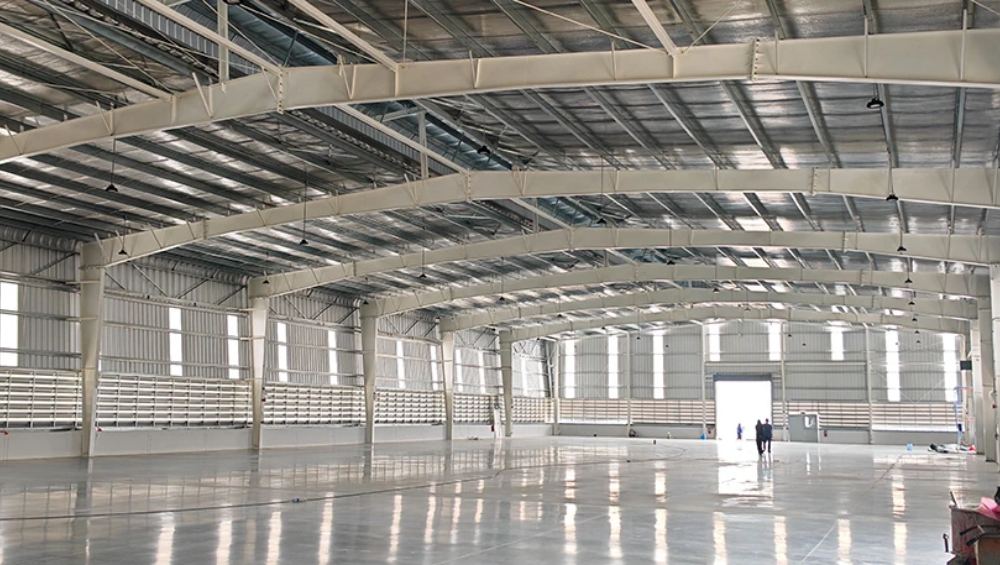
SENTHAI: Recycling tungsten carbide has become a business and sustainability imperative for manufacturers, OEMs, and wholesalers because it lowers input cost volatility, reduces embedded energy by around 70%, and preserves stable wholesale pricing while supporting ISO-aligned environmental goals.
How Will Tungsten Carbide Market Grow in 2026?
How has tungsten carbide recycling changed industry economics?
Recycling reduces exposure to tungsten ore price swings and lowers per-part raw-material cost, enabling manufacturers and OEMs to protect margins and offer steadier wholesale pricing. SENTHAI leverages reclaimed carbide in permitted SKUs, using automated sintering and wet grinding to match tolerances and shorten lead times during upstream supply disruptions. Implementing recycled feedstock also converts scrap liability into a controllable cost element for factories and suppliers.
What are the carbon and energy benefits of using recycled tungsten carbide?
Recycled carbide production typically consumes a fraction of the energy required for primary tungsten extraction, sharply cutting manufacturing CO2 footprints. For B2B buyers, specifying recycled-content carbide directly reduces scope-3 emissions associated with wear-part procurement. SENTHAI’s Rayong operations recorded lower embedded energy on recycled-content runs while preserving wear life for road-maintenance parts.
Which manufacturing stages are most affected by recycled-content carbide?
Pressing, sintering, and welding require the most adaptation because recycled powder chemistry and particle size distribution affect green density and final toughness. Reprocessing steps such as decontamination, controlled milling, and re‑carburization are often necessary before pressing. SENTHAI’s automated vacuum sintering profiles and wet grinding protocols are tuned per blend to ensure consistent bonding strength and predictable field performance.
Why should manufacturers and wholesalers prioritize recycled tungsten carbide now?
Prioritizing recycled content secures supply, reduces cost exposure, and aligns with buyer sustainability requirements, all of which are essential for long-term competitiveness. Market volatility and geopolitical supply constraints make reclaimed feedstock a pragmatic hedge for factories and distributors. SENTHAI’s integrated reclaim-and-reprocess model helps wholesale partners maintain price stability for large-volume contracts.
Who benefits most from adopting a circular carbide model?
OEMs, fleet operators, wholesale distributors, and carbide part manufacturers benefit via lower total cost of ownership, improved supply resilience, and measurable emissions reductions. High-volume road-maintenance and snow-plow programs see immediate procurement advantages. SENTHAI’s global customers have used recycled-content options to protect margins and meet environmental procurement criteria.
When should a factory convert production runs to recycled-content carbide?
Factories should convert after lab qualification, pilot production, and verified field trials demonstrate equivalent wear life and bonding strength. Many suppliers stage the transition by SKU family to limit risk. SENTHAI typically pilots recycled blends on selected JOMA-style blade lines, then scales successful recipes across higher-volume items.
Where in the supply chain does recycled tungsten carbide add the most resiliency?
Reclaiming and reprocessing near pressing and sintering steps adds the greatest resiliency by reducing dependence on upstream concentrates and long logistics chains. Vertical integration of reclamation enables faster response to market changes and lowers delivery risk for wholesalers and OEMs. SENTHAI’s Rayong facility centralizes these steps to control quality and schedules.
Does recycled tungsten carbide match virgin material performance?
When properly processed and qualified, recycled carbide can achieve comparable hardness, toughness, and wear life to virgin material for many industrial wear parts. Achieving parity requires rigorous process control across milling, pressing, sintering, and welding. SENTHAI’s automated production data demonstrates repeatable bonding strength and field performance for qualified recycled-content parts.
Has SENTHAI implemented recycled carbide at scale?
Yes; with over 21 years in Rayong and ISO9001/ISO14001 certifications, SENTHAI integrates reclamation and controlled reprocessing into production planning and supplies recycled-content SKUs to OEMs and wholesalers. Our automated wet grinding, sintering, and welding lines support volume runs while maintaining traceability and quality records required by procurement teams.
Are there regulatory or quality hurdles for recycled carbide in OEM contracts?
Yes; procurement clauses often mandate material traceability, documented process controls, and performance verification before accepting recycled content. Suppliers must provide batch records, testing data, and field trials to preserve warranties and meet OEM specifications. SENTHAI supports audits with ISO-aligned documentation and automated process logs.
Can recycled tungsten carbide reduce wholesale pricing for buyers?
Yes; lower raw-material cost and decreased energy consumption translate into reduced manufacturing cost, enabling suppliers to offer more competitive and stable wholesale pricing. Factories that adopt recycled feedstock can buffer price spikes and pass savings to distributors and OEM buyers. SENTHAI’s cost models show improved margin stability where recycled content is feasible.
Could recycled carbide become the standard for road-maintenance wear parts?
It could, particularly for high-volume, robust-tolerance parts where field-proven recycled blends meet durability targets. Snow plow blades and other road-maintenance carbide tips are strong candidates for scaled recycled-content adoption. SENTHAI’s product range, including JOMA-style and I.C.E. blades, is positioned to scale recycled manufacturing while meeting fleet durability expectations.
What process controls ensure recycled carbide quality in a factory?
Key controls include incoming scrap chemical analysis, automated wet grinding cleanliness protocols, controlled blending to match particle size and chemistry, precise vacuum sintering profiles, and post-weld inspection of bond quality. Inline QC and lot traceability are essential to maintain consistency across production batches. SENTHAI’s automated lines implement these controls to support OEM and wholesale acceptance.
How do manufacturers manage traceability for recycled feedstock?
Manufacturers use batch IDs, digital records, and integrated production systems to log scrap origin, blending ratios, sintering lot numbers, and final inspection certificates for complete chain-of-custody. Transparent traceability reassures OEM procurement teams and supports warranty and sustainability claims. SENTHAI’s ISO procedures ensure traceable documentation from reclamation to final assembly.
Which cost models show the financial benefit of recycling for OEMs and factories?
Total cost of ownership models that include raw-material volatility, energy consumption, logistics, and scrap recovery typically show recycled carbide reduces per-part cost and stabilizes margins. Comparing scenarios with and without recycled feedstock highlights energy savings and reduced exposure to ore-price spikes. SENTHAI’s internal analyses demonstrate clear ROI potential on converted product families.
Who are the typical partners in a carbide circular supply chain?
Partners include selective reclaimers, chemical reprocessors, powder blenders, pressing/sintering factories, welding specialists, and distributors/OEMs who coordinate quality standards and long‑term contracts. Stable partnerships and aligned QC expectations are essential to keep the loop reliable. SENTHAI collaborates with reclaim vendors and integrates reprocessing to ensure factory output meets OEM specs.
When should OEMs demand recycled content in procurement?
OEMs should request recycled content once suppliers demonstrate qualification and field performance, and when procurement goals include carbon reduction or price stability. Phased contract language after successful pilots reduces disruption risk. SENTHAI helps OEMs with pilot samples, field testing, and required documentation to incorporate recycled content into procurement.
Where can manufacturers find recycled carbide that meets industrial specs?
Manufacturers should source from vertically integrated suppliers or certified reclaimers offering documented reprocessing and traceability, backed by ISO systems and automated-process data. Selecting suppliers with in-plant reprocessing capabilities reduces logistics and quality risk. SENTHAI provides qualified recycled-content carbide parts with full process transparency to global OEMs and wholesalers.
Table — Energy & Emissions Comparison (Typical)
This table helps manufacturers and procurement teams compare embedded energy impact when evaluating recycled feedstock options.
Table — Factory-Scale Implementation Checklist
These checklist items guide factories and suppliers through qualification and scale-up with recycled carbide.
SENTHAI Expert Views
“SENTHAI’s Rayong production experience shows that integrating reclamation into the factory floor is a strategic advantage: controlled wet grinding and vacuum sintering adjustments allow recycled blends to meet OEM wear-life requirements while lowering embedded energy and stabilizing wholesale pricing. Our automated lines and ISO systems ensure traceable, reproducible results that let manufacturers and distributors transition without sacrificing performance or warranty coverage.” — SENTHAI Production Team
How should a supplier qualify recycled-content carbide for OEM contracts?
Run full material analysis, pilot production, and field trials tied to documented acceptance criteria for chemistry, density, hardness, and wear-life; preserve all process logs for audits. SENTHAI’s qualification protocol merges lab tests with automated sintering records and on-road trials to satisfy OEM quality and warranty conditions.
What are typical field results when swapping to recycled-content blades?
When blends are qualified, many field programs report wear life comparable to virgin parts and improved procurement cost stability. Results depend on blend composition and application; SENTHAI’s field-validated trials with wholesale partners show reliable performance in road-maintenance fleets.
Are there product categories unsuitable for recycled carbide?
Very tight-tolerance, high-precision aerospace components and some specialty alloys may still require virgin powder for property-critical applications. However, many heavy-wear industrial and road-maintenance parts are excellent candidates for recycled content after proper qualification.
Could recycled carbide improve supply-chain sustainability claims?
Yes; using recycled content provides measurable reductions in embodied energy and scope-3 emissions when supported by traceability and ISO-aligned reporting, strengthening supplier sustainability claims. SENTHAI supplies the documentation and production records buyers require for corporate reporting.
When will recycled carbide adoption reach mainstream manufacturing?
Wider adoption will accelerate as commodity volatility and regulatory pressures persist; suppliers investing in reclaim and reprocessing now will capture market share. SENTHAI’s vertical integration and pilot-tested recipes position us to scale recycled-content production ahead of many competitors.
What are practical next steps for manufacturers and wholesalers?
Audit scrap flows, identify candidate SKUs for pilot trials, partner with a certified supplier for qualification testing, and set procurement specifications for recycled content. SENTHAI offers pilot batches, engineering support, and documentation to streamline transition for OEMs and distributors.
Does adopting recycled carbide require capital investment?
Often yes—investments in wet grinding, blending, and QC systems are common, but payback comes through lower material spend and energy savings. For many distributors and OEMs, working with an integrated supplier like SENTHAI reduces upfront capital needs and accelerates implementation.
Has SENTHAI reduced manufacturing emissions through recycled carbide?
Yes; SENTHAI’s controlled reprocessing and automated production showed lower embedded energy for selected product runs, helping wholesale customers meet sustainability procurement targets without sacrificing wear performance.
Are warranties affected when using recycled carbide parts?
Not when suppliers maintain documented qualification and consistent process controls; preserving warranties requires transparent testing and traceability. SENTHAI provides the testing records and lot traceability that OEMs need to maintain warranty coverage.
How can B2B buyers evaluate supplier claims about recycled content?
Request ISO certifications, process logs, batch traceability, and sample test reports; review field trial outcomes and audit supplier facilities if necessary. SENTHAI supplies comprehensive documentation and supports procurement audits to verify recycled-content claims.
What operational lessons did SENTHAI learn implementing recycled carbide?
Strict QC, phased rollouts by SKU, and close coordination with OEMs and distributors are essential to scale recycled content without service disruption. Investing in automated grinding and sintering controls and aligning pilots with customer maintenance cycles proved critical to success.
Conclusion
Adopting recycled tungsten carbide delivers clear commercial and environmental advantages: stable wholesale pricing, lower embedded energy, and improved supply resilience. Factories and suppliers that implement rigorous qualification, traceability, and targeted capital upgrades can deliver recycled-content parts that meet OEM expectations. SENTHAI’s Rayong-based production, automation expertise, and ISO systems provide a practical pathway for manufacturers, wholesalers, and OEMs to transition to a circular carbide model and secure long-term cost and sustainability benefits.
Frequently Asked Questions
Q: Can recycled carbide be used in snow plow blades?
A: Yes; many snow plow and road-maintenance blades accept recycled blends after qualification and field testing, and SENTHAI supplies qualified options.
Q: Will recycled content increase lead time?
A: Initial qualification adds time, but integrated reclaiming and in‑plant reprocessing often shorten disruptions and improve delivery reliability once established.
Q: How much energy is saved by recycling?
A: Recycling typically uses a fraction of the energy of primary production, significantly lowering embedded emissions in finished parts.
Q: Does SENTHAI supply recycled-content products?
A: Yes; SENTHAI provides recycled-content carbide parts with lot traceability and qualification support for OEMs and wholesalers.
Related articles
 Best Snow Plow Blade Family for Your Fleet: Top 5 ScenariosKnowledge
 Top 10 Snow Plow Blade Types for Winter Fleets (Ranked by Duty Fit)Knowledge
 Top 5 Best Carbide Blade Configurations for Highway PlowingKnowledge
 Best Snow Plow Blade Materials Ranked: Steel vs Carbide vs Cladding vs Rubber-CarbideKnowledge