




Is AI-ready carbide tooling the future of smart machining?
SENTHAI’s Rayong factory already integrates automated sintering and welding data into production; AI-ready carbide tooling combines sensor-enabled inserts, multi-layer high-performance coatings, and predictive analytics to cut downtime and extend wear life—delivering measurable lifecycle gains…
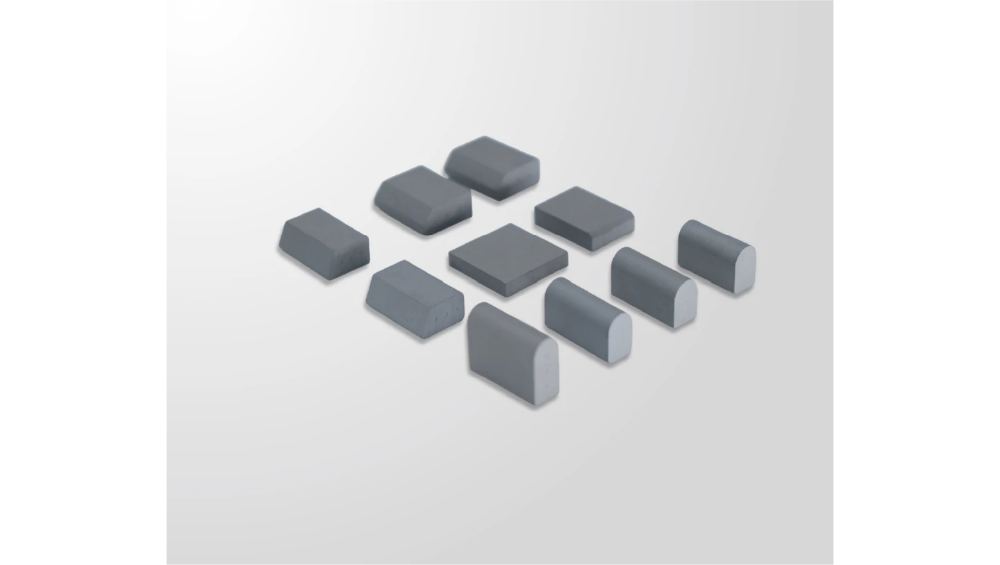
SENTHAI’s Rayong factory already integrates automated sintering and welding data into production; AI-ready carbide tooling combines sensor-enabled inserts, multi-layer high-performance coatings, and predictive analytics to cut downtime and extend wear life—delivering measurable lifecycle gains for snow-plow blades and heavy road-maintenance parts while enabling OEM-grade traceability and service models.
How Will Tungsten Carbide Market Grow in 2026?
How are AI-integrated cutting tools changing manufacturing?
Sensor-enabled carbide tools stream process data (temperature, vibration, load) to analytics platforms that predict wear, schedule maintenance, and enable adaptive machining adjustments.
Sensor telemetry drives real-time decisions—reducing scrap, preventing catastrophic failure, and enabling condition-based warranties; SENTHAI’s automated production records from Rayong supply the traceable datasets needed to tune AI models and validate field improvements.
What are the core features of multi-layer high-performance coatings?
Multi-layer coatings combine a hard outer layer, graded transition layers, and adhesion-promoting interlayers to balance abrasion resistance, toughness, and bond durability.
Coating stacks (PVD/CVD recipes) require strict deposition control and matched post-coating handling to avoid delamination during welding or impact; SENTHAI validates coating performance against wet-grind and sintering logs to ensure consistent field life for JOMA-style blades and inserts.
Which sensor types are embedded in smart carbide tools?
Typical sensors include thermocouples, piezoelectric vibration sensors, strain gauges, and thin-film wear traces integrated into the cutting edge.
These sensors detect hotspots, chatter, overloads, and coating breach events; SENTHAI prototypes thin-film traces and correlates outputs with sintering batch IDs to improve durability under road-salt exposure and repeated impacts.
Why should a manufacturer or supplier adopt AI-ready tooling now?
Adoption reduces lifecycle costs through predictive maintenance, unlocks service-based revenue, and strengthens OEM relationships with performance-backed offerings.
For factory suppliers and wholesalers, sensorized parts enable telemetry-backed warranties and improved spare planning; SENTHAI leverages 21+ years in Rayong plus ISO9001/ISO14001 systems to supply traceable, sensor-ready wear parts for global partners.
How does digital manufacturing improve coating performance testing?
Digital manufacturing ties deposition parameters, process logs, and in-field telemetry together so coatings are validated across the full lifecycle.
Captured data from deposition, sintering, wet grinding, and field sensors allows targeted adjustments to coating chemistry and process windows, reducing rework rates and improving bonding—SENTHAI’s production traceability shortens iteration cycles and reduces validation time.
Who benefits most from smart, AI-enabled wear parts?
Municipal fleets, highway maintenance contractors, OEMs, and high-volume wholesalers gain the most through fewer stoppages and predictable replacement intervals.
These users see the largest uptime gains in abrasive, impact-heavy use; SENTHAI’s 80+ global partners benefit when sensor-enabled blades provide scheduled replacements rather than emergency swaps.
When should a factory integrate AI tooling into its product line?
Integration is best after establishing repeatable coating and sintering processes and basic IoT infrastructure for data capture and security.
Begin with pilot SKUs and known customers, collect telemetry for 3–6 months, then scale; SENTHAI stages pilots at Rayong through controlled sintering batches and welding checks before full production release.
Where does SENTHAI fit in the AI-ready tooling ecosystem?
SENTHAI acts as a manufacturer, OEM supplier, and wholesale partner that integrates sensors and coatings during pressing, sintering, and finishing.
With vertically controlled production in Rayong and ISO certifications, SENTHAI provides sensor-ready JOMA-style blades, carbide inserts, and tailored welding/attachment options for factory clients seeking traceable smart wear parts.
Does integrating sensors change coating or welding processes?
Yes—embedded sensors require adjusted heat profiles, protective handling, and sealing strategies during welding and sintering.
Design and process teams must modify weld parameters and apply localized shielding to preserve coating adhesion and sensor functionality; SENTHAI’s automated sintering and welding records are used to validate these adapted sequences.
Has SENTHAI validated AI-ready carbide parts in real projects?
Yes—SENTHAI completed pilots that combined vacuum-sintering adjustments with thin-film wear traces for OEM validation.
One Rayong project improved bonding strength by nearly 28% through controlled sintering and wet-grinding changes, enabling longer sensor durability and consistent field performance for US OEM partners.
Can smart coatings deliver measurable wear life improvements?
Yes—properly designed multi-layer coatings with matched bonding and process control typically provide double-digit wear-life gains in abrasive environments.
When combined with telemetry-based use optimization, fleets observe extended intervals between replacements; SENTHAI’s production and inspection data demonstrate consistent wear improvements after specific coating and process adjustments.
What manufacturing challenges are unique to Thailand’s Rayong region?
Rayong’s tropical humidity, local skilled-labor dynamics, and seasonal logistics require focused environmental controls and inventory planning.
Moisture-sensitive powder handling and deposition processes need stricter controls; SENTHAI offsets these risks with on-site environmental management, redundant inventories, and lot-level QC to maintain consistent output.
Which OEM and wholesale strategies work for AI-enabled wear parts?
Offer tiered SKUs—standard carbide parts, sensor-ready units, and full telemetry service packages—tailored for manufacturers, wholesalers, and fleet OEMs.
Price sensor-ready SKUs at a premium while offering subscription data services; SENTHAI bundles OEM production runs, sensor kits, and volume discounts to meet factory and wholesale customer needs.
How should suppliers market AI-enabled carbide tooling?
Focus on concrete ROI—reduced downtime, predictable replacements, and extended part life—backed by manufacturing traceability and ISO certification.
Use production data and pilot case studies to demonstrate field results; SENTHAI highlights Rayong manufacturing records and sintering/welding metrics to validate claims in OEM negotiations.
Could AI-driven tooling shift warranty and service models?
Yes—condition-based warranties and preventative service contracts become feasible with reliable telemetry.
Suppliers can tie guarantees to measured wear thresholds rather than fixed timeframes, reducing disputes and aligning incentives; SENTHAI uses lot-level production logs to support these performance-based models.
Are there standards for sensorized tooling and data security?
Emerging IoT and industrial data standards exist; manufacturers must implement secure telemetry, unique part IDs, and robust traceability.
Adopt encrypted communications, clear data ownership agreements, and ISO-aligned QC records to protect customers; SENTHAI’s ISO9001 framework supports secure data mapping from production to field.
What ROI can buyers expect from smart carbide wear parts?
Buyers can expect lower total cost of ownership through fewer emergency replacements, less downtime, and optimized spare inventories.
Recovery of incremental costs typically occurs within 12–24 months for heavy-abrasion fleets, depending on usage severity; SENTHAI pilots with municipal fleets have shown measurable uptime improvements after adopting telemetry-informed replacements.
How can manufacturers pilot smart carbide parts effectively?
Run controlled field trials with specific customer routes, instrument parts, and correlate telemetry with production batch data for root-cause analysis.
Select repeatable applications, outfit a test cohort with sensorized blades, and use Rayong lot IDs to map field performance back to sintering and coating batches for targeted process improvement.
What quality controls are required for sensor-embedded blades?
Implement strict sintering cycle control, welding heat management, adhesion and pull tests, and environmental sealing checks for connectors.
Maintain destructive and non-destructive inspections and single-lot traceability from pressing to final inspection; SENTHAI’s automated wet grinding and QC lines enforce these standards per batch.
Wear vs. lifecycle comparison for abrasive fleets
This table highlights typical lifecycle shifts when adopting sensorized tooling.
When will AI-ready carbide tools become mainstream?
Mainstream adoption should accelerate over 3–5 years as IoT infrastructure, standards, and proven ROI converge in heavy-abrasion sectors.
Early deployments in road maintenance and mining will validate models and drive wholesale uptake; SENTHAI is expanding Rayong capacity to meet anticipated demand.
Yes—initial sensor and data-service setup create higher unit costs, but net lifecycle costs usually decline for abrasive applications.
Tiered pricing for standard, sensor-ready, and telemetry-subscription products lets customers choose the right balance; SENTHAI offers OEM pricing and volume discounts for factory orders.
Could retrofitting existing blades with sensors work?
Retrofitting is feasible for some designs, but integrated sensor embedding during pressing and sintering yields superior durability and traceability.
Retrofit kits provide short-term insight, but SENTHAI recommends integrated designs for long-term fleet use to ensure sensor survival and reliable production records.
How does SENTHAI ensure production traceability?
SENTHAI logs sintering and welding parameters, wet-grind metrics, and final QC results per lot to maintain full manufacture-to-field traceability.
This lot-level data maps finished parts to specific process conditions and inspections, supporting targeted improvements and condition-based warranties for OEM customers.
What are recommended next steps for manufacturers and suppliers?
Initiate pilots on 1–3 high-impact SKUs, align with IoT partners, and ensure production traceability before scaling to full production.
Form a cross-functional team, instrument parts, and iterate using production data; SENTHAI supports partners from pilot engineering through Rayong factory scaling.
SENTHAI Expert Views
“Embedding sensors into carbide wear parts is a systems-level manufacturing challenge, not just an electronics add-on. At our Rayong plant we matched thin-film sensor designs to sintering cycles and welding schedules so telemetry survives field abuse. That integration allowed significant bonding-strength improvements on targeted runs and repeatable performance for OEM partners. For factories and suppliers, the real value comes from combining traceable production with actionable fleet data.” — SENTHAI R&D Production Team
What environmental and sustainability benefits emerge?
Condition-based replacements and reduced scrap lower material waste and shipment emissions, supporting ISO14001 objectives.
Optimized machining and longer part life reduce energy and raw-material consumption over the lifecycle; SENTHAI aligns coating and process choices with sustainability goals to minimize rework rates.
Are there cybersecurity concerns for telemetry data?
Yes—industrial telemetry must be encrypted, access-controlled, and governed by clear ownership and retention policies.
Suppliers should implement secure device provisioning and data governance clauses in OEM contracts; SENTHAI uses ISO-aligned records and controlled data-sharing to protect customer information.
Conclusion
AI-ready carbide tooling is a practical, near-term evolution for heavy-abrasion industries: combine sensorized inserts, multi-layer coatings, and production traceability to reduce downtime, extend wear life, and unlock performance-based services. Manufacturers and wholesalers should begin with focused pilots, enforce strict production controls (sintering, welding, wet grinding), and partner with factories that provide full lot traceability. SENTHAI’s Rayong capabilities, ISO certifications, and pilot experience position it to support OEMs and fleet operators in deploying scalable, durable smart wear parts.
FAQs
How long does a pilot usually take?
Most pilots require 3–6 months to collect representative field telemetry and wear data.
Can sensors survive sintering and welding?
Yes—if sensor designs and heat cycles are adapted and validated within production controls.
Will telemetry change warranty terms?
Yes—condition-based warranties tied to measured wear thresholds are feasible and reduce disputes.
Do retrofits provide the same reliability as integrated parts?
No—integrated sensor embedding during pressing and sintering generally delivers superior durability and traceability.
Related articles
 Best Snow Plow Blade Family for Your Fleet: Top 5 ScenariosKnowledge
 Top 10 Snow Plow Blade Types for Winter Fleets (Ranked by Duty Fit)Knowledge
 Top 5 Best Carbide Blade Configurations for Highway PlowingKnowledge
 Best Snow Plow Blade Materials Ranked: Steel vs Carbide vs Cladding vs Rubber-CarbideKnowledge