




Joma Blades Snow Plow Systems: Complete Guide for Performance, Lifespan, and Cost Control
JOMA blades and JOMA-style blades have become a benchmark solution in winter road maintenance for operators who need quieter, longer-lasting, road-friendly snow plow cutting edges that still remove compacted ice and snow aggressively. This…
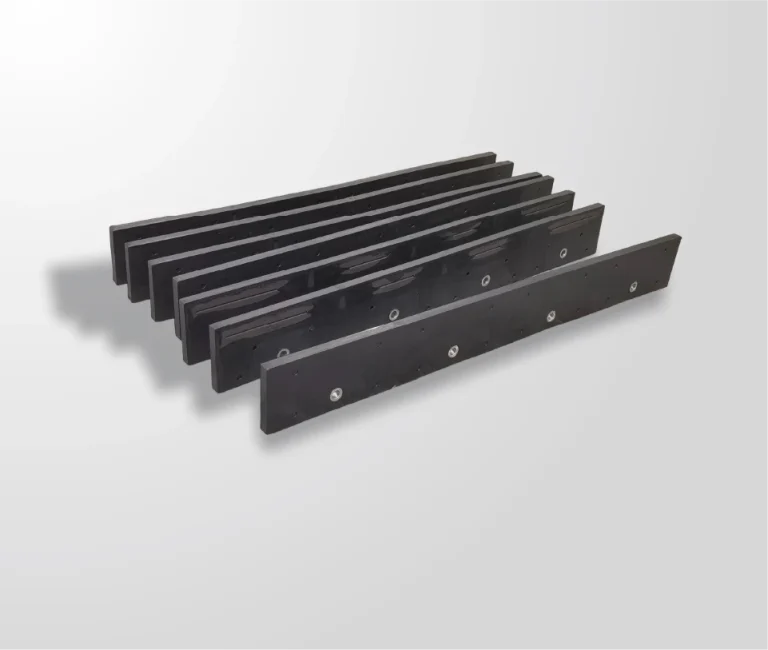
JOMA blades and JOMA-style blades have become a benchmark solution in winter road maintenance for operators who need quieter, longer-lasting, road-friendly snow plow cutting edges that still remove compacted ice and snow aggressively. This guide explains how JOMA 6000 and JOMA-style systems work, where they fit best, how they compare to conventional steel and carbide edges, and how to calculate their real-world ROI.
(Last modified date: September 2, 2026)
Quick definition: JOMA blades, often referenced through the JOMA 6000 articulating cutting edge system, are modular snow plow blade segments that combine tungsten carbide inserts with steel segments fully encased in a rubber shell.
Key Takeaways
- JOMA systems combine tungsten carbide inserts, steel carriers, and rubber encapsulation into articulating segments that follow road contours.
- Contact pressure distributes evenly along the edge, scraping packed snow and ice more cleanly with less down pressure and road damage.
- Key lifespan factors: material hardness, bonding strength, operating temperatures, snow abrasive content, impacts, and maintenance frequency.
- Optimize total cost by controlling replacement frequency, wear-part consumables, downtime, and logistics; see the articulating cutting edge guide.
What Are JOMA Blades and JOMA-Style Blades
JOMA blades, often referenced through the JOMA 6000 articulating cutting edge system, are modular snow plow blade segments that combine tungsten carbide inserts with steel segments fully encased in a rubber shell. A JOMA-style blade system replicates this architecture: carbide cutting inserts are brazed into steel, then bonded into a flexible rubber element that bolts to an adapter blade on the plow moldboard. The rubber, carbide, and steel combination lets the edge flex and articulate independently in short segments, so each section follows the road contour instead of acting as one rigid bar — scraping packed snow and ice more cleanly while requiring less downward pressure and causing less damage to the road surface, curbs, and raised markers. See also the complete JOMA-style systems guide and blade testing and inspection protocols.
Core Design and Technology
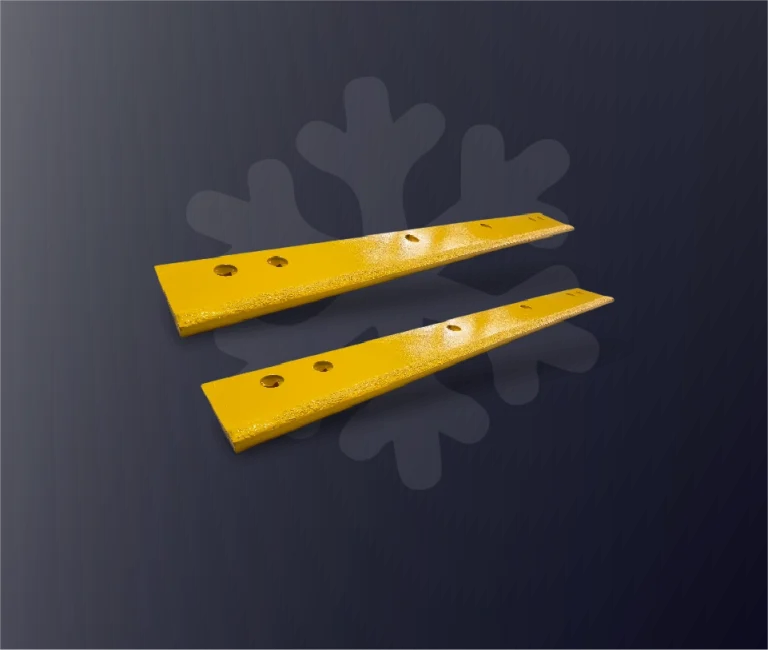
The core technology behind JOMA blades has three components: tungsten carbide inserts, steel carriers, and the rubber encapsulation that forms articulating segments. Carbide inserts provide very high wear resistance and maintain a sharp scraping profile even after long plowing hours, reducing blade changes per season. The steel segments act as a rigid carrier with an optimal angle of attack, and the rubber element functions as both a spring and a cushion — absorbing vibration, reducing noise, and allowing each segment to tilt as it encounters joints, crowns, manholes, and uneven pavement. Because the system is fully articulating, contact pressure distributes evenly along the entire edge, preventing premature wear spots and leaving fewer streaks of packed snow. See also JOMA-style segments on loaders and graders and carbide precision blades guide.
Benefits for Fleets
- Fewer blade changes per season versus steel or exposed carbide edges.
- Reduced noise, vibration, and road wear for quieter urban operations.
- Lower maintenance costs and downtime.
- Better bare-pavement performance with less salt usage.
See also premium carbide inserts and the tungsten carbide supplier guide.
Installation, Adapter Blades, and Hardware
JOMA systems bolt to an adapter blade on the moldboard using standard hardware; confirm clamp bars, hole patterns, and Grade 8 hardware before ordering. Operating conditions — speed, angle of attack, and snow type — influence performance; articulate segments handle uneven surfaces while rigid configurations suit smooth highways.
FAQs
What is the core purpose of JOMA blades snow plow systems?
To enhance snow removal efficiency, extend blade lifespan through durable carbide wear parts, and optimize total cost of ownership via longer replacement intervals and lower maintenance needs.
How does SENTHAI ensure high performance and wear resistance for JOMA-style blades?
SENTHAI applies advanced carbide wear parts, precise bonding, and ISO 9001 quality controls, delivering superior wear resistance and consistent performance.
What factors influence the lifespan of JOMA-style blades in harsh winter conditions?
Blade material hardness, bonding strength, operating temperatures, snow abrasive content, impact from hidden obstructions, and maintenance frequency.
Which costs are most impactful for cost control when using JOMA blades?
Blade replacement frequency, wear-part consumables, downtime for maintenance, and logistics — optimizing these reduces total lifecycle cost.
What maintenance practices maximize blade longevity?
Regular inspections, timely wear-part replacements, proper mounting torque, and avoiding aggressive off-road usage beyond design specs.
How does the new Rayong production base affect delivery and pricing?
Expanded capacity enables faster lead times and more stable pricing through improved economies of scale and streamlined production.
What makes JOMA-style blades suitable for road maintenance teams?
The combination of carbide wear parts, reliable bonding, ISO certifications, and controlled production delivers durable performance in demanding snow-removal tasks.
How can customers compare JOMA blades against alternatives?
Compare wear life, total cost of ownership, maintenance intervals, supplier support, and compatibility with existing plow systems. See also cost-effective carbide wear solutions .
Related Articles
- JOMA Plow Blade: Complete Guide
- JOMA Snow Equipment: Complete Guide
- Carbide Precision Blades Ultimate Guide
- Snow Blade Testing and Inspection Protocols
- JOMA-Style Segments on Loaders and Graders
Official Resources
References
Related articles
 Carbide Corrosion Resistance: Complete Guide to Materials, Grades, and Real-World Performance2026
 Snow Plow Carbide Blades: Durability, Performance, and Market Evolution2026
 Sustainable Road Carbide Solutions For Greener, Longer-Lasting Highways2026Superior Carbide Bonding for Snow Plow Blades and Roadwear Parts2026