




Joma Plow Blade: Complete Guide To Articulating Snow Plow Cutting Edges
JOMA plow blade systems have become a benchmark for highway departments, municipalities, and contractors that need quieter, longer-lasting, and more road-friendly snow plow cutting edges. A JOMA plow blade is an articulating cutting edge…
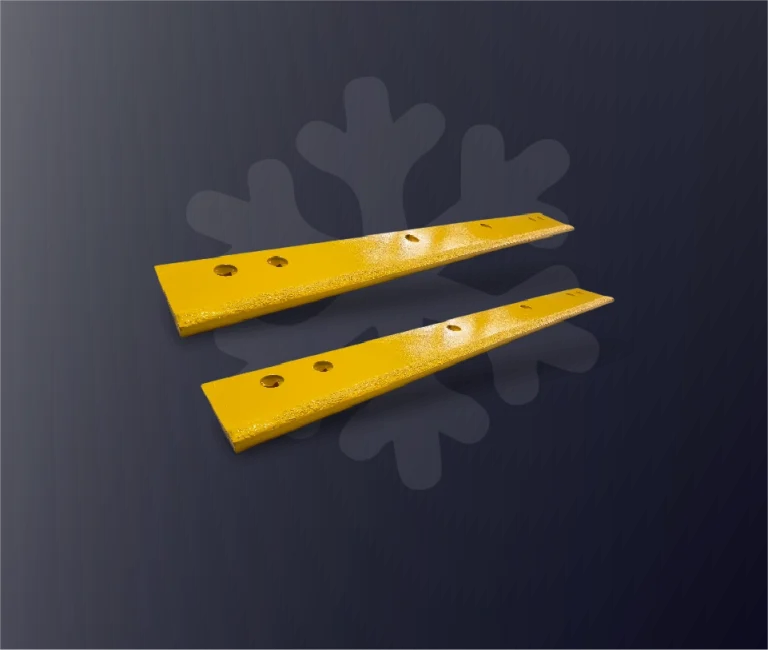
JOMA plow blade systems have become a benchmark for highway departments, municipalities, and contractors that need quieter, longer-lasting, and more road-friendly snow plow cutting edges. A JOMA plow blade is an articulating cutting edge made from short steel segments with tungsten carbide inserts, fully encased in a rubber shell, where each segment moves independently to follow the road surface instead of staying rigid and flat.
(Last modified date: September 2, 2026)
Quick definition: A JOMA plow blade is an articulating snow plow cutting edge made from short steel segments with tungsten carbide inserts, fully encased in a rubber shell.
Key Takeaways
- Three core components define the system: tungsten carbide inserts for cutting, steel backing segments for structure, and a rubber shell for cushioning, flex, and noise reduction.
- The articulating design maintains continuous contact, scraping snow and ice that a rigid blade would bridge over.
- An adapter blade bolts to the moldboard and often includes a carbide insert backer blade for moldboard protection.
- Maintain blades by cleaning, inspecting for cracks, tightening bolts, lubricating articulation points, and using wear indicators; see the universal adapter installation guide.
What Is a JOMA Plow Blade System?
A JOMA plow blade is an articulating snow plow cutting edge made from short steel segments with tungsten carbide inserts, fully encased in a rubber shell. Each segment moves independently so the cutting edge can follow the road surface instead of staying rigid and flat, helping clear compacted snow and ice even on worn, crowned, or uneven asphalt and concrete. Unlike a traditional one-piece steel or carbide edge, a JOMA plow blade is installed in multiple sections across the moldboard, bolted to an adapter blade and clamped in place to create a flexible but well-supported system that delivers high scraping power, reduced vibration, extended blade life, and improved road surface protection. See also the JOMA systems performance guide and the flexible cutting edge buyer’s guide.
Core Design and Technology
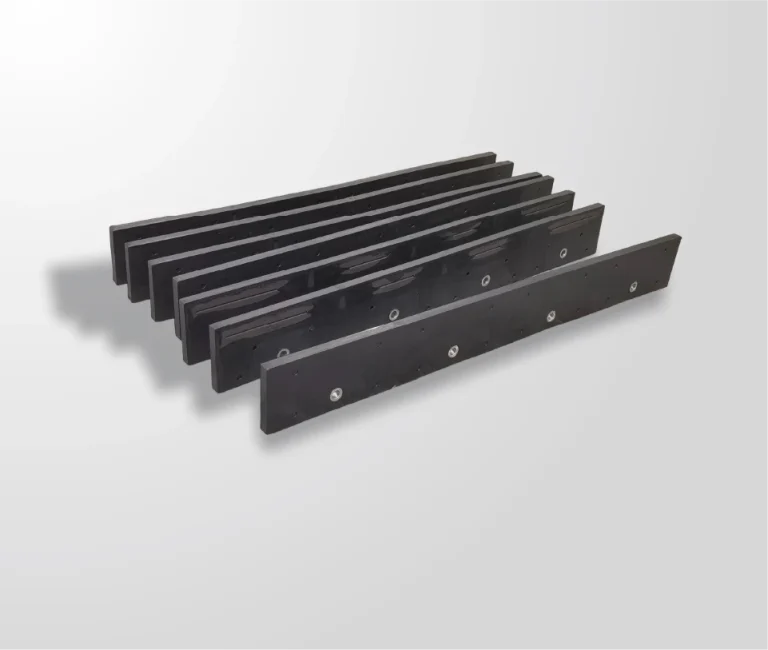
At the heart of any JOMA plow blade system are three main components: tungsten carbide inserts, steel backing segments, and the protective rubber shell. Tungsten carbide inserts provide the cutting contact with the pavement, offering hardness and wear resistance far beyond regular steel; they are brazed or welded into steel segments at regular intervals. The steel segments are fully embedded in a specially engineered rubber compound that cushions impact, allows limited flex, reduces noise, and protects both the road and the plow. As each segment articulates, the cutting edge maintains continuous contact, scraping off snow and ice that a rigid blade might bridge over. To mount the system, an adapter blade made of steel is bolted to the moldboard, providing a flat, strong mounting surface and often including a carbide insert backer blade to protect the moldboard if the JOMA segments wear through. See also the route-based cutting edge decision guide and I.C.E. carbide segment guide.
Types of JOMA Plow Blade Systems
- JOMA 6000-style tungsten carbide insert blades — the benchmark articulating system with vulcanized rubber and carbide inserts in cast steel segments.
- JOMA-style blade segments and adapter blades — modular sections and backer assemblies for retrofit and replacement.
- Custom and private-label systems — lengths, hole patterns, and insert configurations tailored to fleet needs.
See also the modern fleet guide to cutting-edge alternatives and the Western-style plow cost guide.
Real User Cases and ROI
Fleets switching to JOMA systems report longer blade life, lower noise, reduced pavement damage, and fewer mid-storm changeouts. On uneven municipal routes, the articulating edge keeps carbide in contact, improving clearing efficiency and cutting fuel use. Compare lifecycle cost per lane-mile rather than unit price to see the full gain.
Installation and Maintenance
- Lift the plow, remove worn edges, and clean the mounting surface.
- Align the new blade segments with the adapter blade and bolt holes.
- Secure bolts evenly and check the cutting edge angle.
- Test articulation to confirm each segment moves freely.
- Maintain: clean after use, inspect for cracks, tighten bolts, lubricate articulation points, and monitor wear indicators.
See also the carbide edge replacement guide.
FAQs
What makes JOMA articulating plow blades superior for snow removal?
Flexible movement, enhanced surface contact, and reduced wear improve clearing efficiency on uneven terrain, minimize blade stress, and extend service life.
How do JOMA snow plow cutting edges improve winter efficiency?
Sharp, durable contact points slice through ice and compacted snow efficiently, reducing pushback, improving plow control, and lowering fuel consumption.
What is the step-by-step process to install JOMA plow blades?
Lift the plow, remove worn edges, align the new blade, secure bolts evenly, and test articulation — with proper torque and blade angle.
How can you maintain JOMA plow blades for maximum longevity?
Clean after use, inspect for cracks or wear, tighten bolts, rotate edges when applicable, lubricate articulation points, and store blades off-ground.
Which JOMA plow blades offer the best performance and durability?
High-performance blades combine hardened steel or carbide edges with reinforced mounting; articulating designs reduce stress and ensure uniform wear resistance.
How do JOMA plow blade wear indicators help prevent downtime?
Wear indicators signal when edges are nearing replacement, allowing timely swaps that prevent inefficient clearing and equipment damage.
What are the best snow plow blade types for heavy snow conditions?
For heavy snow, reinforced JOMA-style articulating blades with carbide inserts provide the best combination of durability, road-following, and clearing power. See also I.C.E. wear resistance and laser cladding for carbide wear .
Related Articles
- JOMA Plow System Articulating Carbide Blade Guide
- JOMA Snow Equipment: Complete Guide
- How to Install a JOMA Blade on Any Plow
- I.C.E. Wear Resistance
- How to Choose a Snow Plow Cutting Edge
Official Resources
References
Related articles
 Carbide Corrosion Resistance: Complete Guide to Materials, Grades, and Real-World Performance2026
 Snow Plow Carbide Blades: Durability, Performance, and Market Evolution2026
 Sustainable Road Carbide Solutions For Greener, Longer-Lasting Highways2026Superior Carbide Bonding for Snow Plow Blades and Roadwear Parts2026