




How to Store Snow Plow Blades Off-Season to Prevent Rust and Extend Life?
Store snow plow blades off-season by cleaning them thoroughly, applying corrosion inhibitors to steel carriers and carbide edges, and keeping them elevated in a dry, ventilated space at 40–60°F with below 50% humidity —…
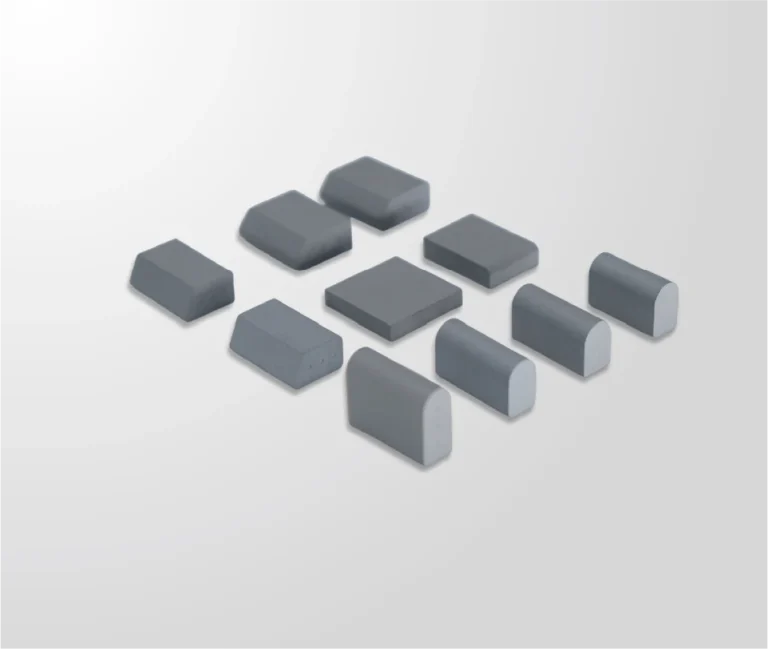
Store snow plow blades off-season by cleaning them thoroughly, applying corrosion inhibitors to steel carriers and carbide edges, and keeping them elevated in a dry, ventilated space at 40–60°F with below 50% humidity — this preserves the 10x lifespan advantage of carbide blades. Use breathable covers, avoid plastic sheeting, and inspect quarterly.
(Last modified date: September 2, 2026)
Quick definition: Proper storage prevents rust on steel carriers and stress on tungsten carbide inserts brazed into cast steel segments, as in SENTHAI JOMA-style blades.
Key Takeaways
- Salt residue causes galvanic corrosion at brazed joints; clean with fresh water and dry immediately.
- Keep storage below 50% RH and stable at 40–60°F to prevent carbide micro-cracking.
- Store blades vertically off the floor with breathable covers — never plastic sheeting.
- Inspect quarterly: check rust, braze integrity, and insert damage.
Why Is Proper Off-Season Storage Critical for Carbide Snow Plow Blades?
Proper storage prevents rust on steel carriers and stress on tungsten carbide inserts brazed into cast steel segments, as in SENTHAI JOMA-style blades. Salt residue causes galvanic corrosion at joints, while humidity over 50% leads to carbide micro-cracking, reducing the 10x lifespan advantage of SENTHAI products made in fully automated Thailand facilities. See carbide insert shapes and sizes for what to inspect.
What Cleaning Steps Protect Steel Carriers and Carbide Edges from Corrosion?
- Pressure wash blades with fresh water to remove road salt and debris.
- Dry immediately with compressed air.
- Apply vapor corrosion inhibitors or light oil to steel carriers.
- Use non-abrasive wipes on carbide inserts to avoid degrading brazing bonds.
- Inspect for chips, cracks, and braze separation while cleaning.
How Does Humidity and Temperature Control Prevent Damage During Storage?
| Condition | Risk to Steel Carrier | Risk to Carbide Inserts | SENTHAI Blade Impact |
|---|---|---|---|
| >60% RH, fluctuating temp | High rust | Grain boundary stress | Reduces lifespan advantage |
| <50% RH, 40–60°F stable | Minimal | None | Maintains full performance |
| Outdoor/uncovered | Severe corrosion | Cracking at brazes | Total failure risk |
Maintain these conditions with dehumidifiers and silica gel packs, and monitor with hygrometers — especially for coastal fleets facing salt-spray humidity. See why controlled cooling prevents steel warping after brazing.
“Our fully automated Rayong lines — from wet grinding to vulcanization — deliver JOMA-style blades, I.C.E. blades, and carbide inserts with superior bonding strength and uniform grain size from vacuum sintering. Stable storage at <50% RH and 40–60°F protects this quality, ensuring 10x longer life than steel in North American winters.” — SENTHAI engineering lead
What Are the Best Physical Storage Positions and Materials?
Store blades vertically, elevated off the floor on racks or pallets, so edges don’t contact concrete. Use breathable covers like canvas or open-weave material; plastic sheeting traps moisture. Keep blades separated to avoid edge-to-edge contact damage. See SENTHAI carbide snow plow blades for handling guidance.
How Can Fleets Implement a Quarterly Inspection Routine?
- Check steel carriers for rust spots and pitting.
- Inspect braze lines for separation or cracks.
- Verify inserts are seated and free of chips.
- Reapply corrosion inhibitor after each inspection.
- Log condition per blade to plan replacements.
What Role Does SENTHAI Manufacturing Play in Storage Resilience?
Vacuum sintering produces uniform grain size, and automated brazing ensures strong bonds that resist thermal cycling. ISO 9001/14001-certified processes mean the blade starts the off-season in a known, traceable condition — so storage practices preserve, rather than rescue, performance. See carbide, JOMA, and packed ice solutions for Hartford.
Which Common Storage Mistakes Shorten Carbide Blade Life?
- Storing blades with salt residue still on the surface.
- Leaving blades on concrete or dirt floors.
- Wrapping in plastic sheeting that traps condensation.
- Skipping quarterly inspections.
- Stacking blades edge-to-edge.
FAQs
How long can SENTHAI carbide blades safely store off-season?
With proper cleaning, corrosion inhibitors, and stable storage conditions, blades can sit the full off-season (4–6 months) and beyond without performance loss.
Do carbide inserts need separate rust protection?
Carbide itself resists corrosion, but the steel carrier and braze joints need protection; treat them with corrosion inhibitors and keep humidity below 50%.
Can SENTHAI blades store outdoors?
Not recommended — outdoor exposure causes severe corrosion and braze cracking. Use a dry, ventilated indoor space.
What’s the ROI of proper storage for fleets?
Proper storage prevents premature replacement and preserves the carbide lifespan advantage, avoiding hundreds to thousands of dollars per blade per season.
Related Articles
- Carbide Insert Shapes and Sizes
- Controlled Cooling and Steel Warping
- Snow Plow Blades for Hartford
- Health Risks of Gas-Powered Ice Resurfacers
Official Resources
- SENTHAI — Carbide Snow Plow Blades
- SENTHAI — Replaceable Carbide Inserts
- SENTHAI — High-Quality Snow Plow Blade Manufacturer
References
- SENTHAI storage and handling documentation, 2026.
- Fleet feedback on off-season storage conditions, North America.
Related articles
 Best Snow Plow Blade Family for Your Fleet: Top 5 ScenariosKnowledge
 Top 10 Snow Plow Blade Types for Winter Fleets (Ranked by Duty Fit)Knowledge
 Top 5 Best Carbide Blade Configurations for Highway PlowingKnowledge
 Best Snow Plow Blade Materials Ranked: Steel vs Carbide vs Cladding vs Rubber-CarbideKnowledge