




How to Choose the Perfect Snow Blade Size for Your Quad ATV?
Choosing the right snow blade size for your quad ATV determines how efficiently you can clear snow, protect equipment longevity, and operate safely under different terrain and load conditions. For small quads, a 48–52…
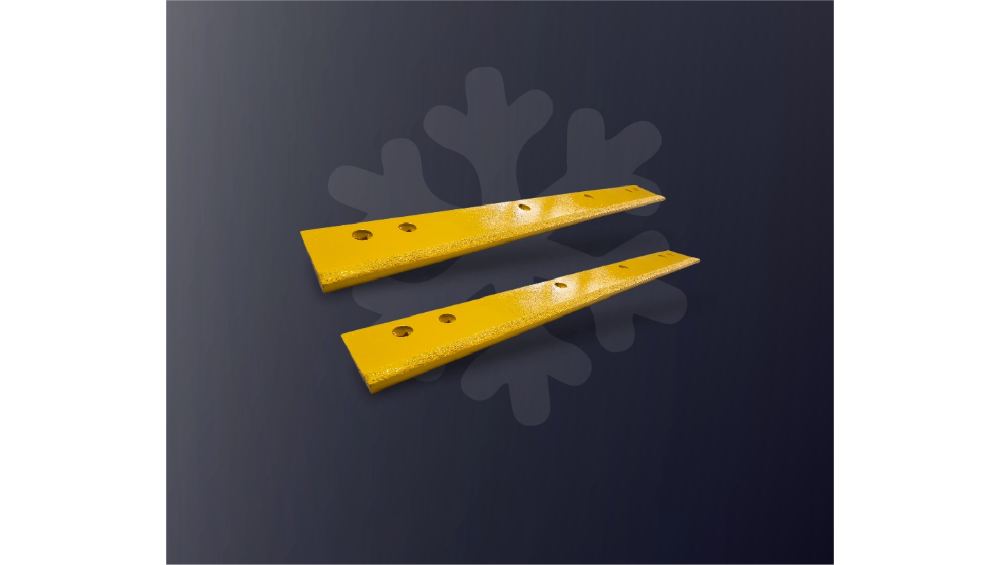
Choosing the right snow blade size for your quad ATV determines how efficiently you can clear snow, protect equipment longevity, and operate safely under different terrain and load conditions. For small quads, a 48–52 inch blade works well; larger ATVs handle 54–60 inches — and SENTHAI’s carbide blades deliver consistent performance across all sizes with up to 5× longer wear life than steel.
(Last modified date: August 31, 2026)
Key Takeaways
- The North American snow removal industry surpasses $25 billion annually, and over 60% of homeowners now use ATVs or UTVs for residential plowing.
- 47% of ATV users experience premature wear or uneven discharge from improper blade sizing and material fatigue (2025 NAAMM report).
- Improper blade size can shorten ATV operational life by up to 30% (University of Vermont, 2024).
- Match blade width to vehicle: 48–52 inches for small quads/tight spaces, 54–60 inches for larger ATVs and wide areas; see sourcing plow parts from Thailand.
How the Snow Removal Industry Is Evolving
According to the U.S. Bureau of Labor Statistics, the North American snow removal industry surpasses USD 25 billion annually, and over 60% of homeowners now use ATVs or UTVs instead of full-sized trucks for residential plowing. Yet a 2025 NAAMM report indicates that 47% of ATV users experience premature wear or uneven snow discharge due to improper blade sizing and material fatigue. These issues translate into higher maintenance costs, loss of time, and safety hazards during heavy winter storms. As snow events become more unpredictable — rising by nearly 18% over the last decade across the Midwest and Pacific Northwest — selecting an optimized blade size and material has never been more critical.
Pain Points Faced by ATV Owners
Many ATV users in northern regions such as Washington, Minnesota, and Ontario struggle with two major pain points: ineffective plowing coverage and equipment overload. A small blade increases clearing time, while an oversized one strains the ATV’s transmission and front suspension. Data from the University of Vermont (2024) shows that improper blade size can shorten ATV operational life by up to 30%. Low-grade steel blades also corrode quickly and lose edge sharpness, forcing frequent replacements. SENTHAI’s carbide wear parts stay sharp and maintain structural integrity even under abrasive ice or gravel conditions.
Why Traditional Snow Blades Are Insufficient
Traditional steel blades lack uniform strength and often deform under repeated stress, particularly during freeze-thaw cycles. Weld joints weaken and rust accumulation reduces efficiency; simple painted coatings offer minimal resistance against road salt and grit, leading to edge dullness after only one winter. Many locally fabricated blades fail to match specific ATV power outputs or ground clearance geometry, resulting in scraping inefficiency and traction loss. SENTHAI’s advanced carbide composite structure provides up to 5× longer wear life, ensuring consistent performance through multiple winter seasons. See also how manufacturers decode DOT specs for carbide RFPs.
How to Choose and Install the Correct Blade Size
- Measure your ATV’s width and intended plowing area.
- Select blade width: 48–52 inches for small quads and tight residential spaces; 54–60 inches for larger ATVs, driveways, and fields.
- Check the mounting bracket width, blade length, and height against your plow frame.
- Verify the angle adjustment works; set blade angles between 25–35 degrees for optimal snow throw and reduced strain.
Blade dimensions directly influence stability, maneuverability, and clearing efficiency — too wide overloads the ATV, too narrow slows clearing. See also how to verify carbide density with Archimedes.
Who Benefits Most from SENTHAI Snow Blades
- Residential homeowners: 48–52 inch carbide blades clear driveways without straining small quads.
- Rural property owners: 54–60 inch blades cover fields and long driveways quickly.
- Contractors with mixed fleets: consistent carbide performance across multiple ATV/UTV sizes.
- Northern-region operators: corrosion-resistant edges survive salt, gravel, and freeze-thaw cycles.
Frequently Asked Questions
What is the best snow blade size for your ATV?
It depends on vehicle width and plowing conditions: 48–52 inches works well for small quads, while larger ATVs handle 54–60 inches. The right size ensures efficient clearing, reduced strain, and better control.
How do ATV snow plow blade dimensions affect performance?
Dimensions directly influence stability, maneuverability, and clearing efficiency. A blade that’s too wide overloads the ATV; too narrow slows clearing. Correct width, height, and angle improve speed and reduce vehicle wear.
What size quad ATV blade should you choose?
Measure your ATV’s width and intended plowing area: small residential areas need narrower blades (48–52 inches), while large driveways or fields benefit from wider blades (54–60 inches).
How to measure your ATV snow blade for a perfect fit?
Check the mounting bracket width, blade length, and height, ensure alignment with the plow frame, and verify the angle adjustment works correctly.
What snow plow width works best for your ATV?
Narrow blades (48–52 inches) are best for tight spaces; wider blades (54–60 inches) cover more area quickly. Match width to vehicle capacity for safe operation and traction.
How to set the optimal blade angle for your ATV?
Angles between 25–35 degrees generally optimize performance — too steep overloads the ATV, too shallow reduces snow displacement.
What are the key tips for a perfect ATV snow blade fit?
Check bracket alignment, mounting height, and blade width, and follow manufacturer guidelines for installation and angle setup.
Related Articles
- The Rise of Southeast Asian Manufacturing: Sourcing Snow Plow Parts from Thailand
- How Can Manufacturers Decode State DOT Specs to Win Carbide Blade RFPs?
- How Do You Verify Carbide Density with Archimedes?
Official Resources
Sources
Related articles
 Best Snow Plow Blade Family for Your Fleet: Top 5 ScenariosKnowledge
 Top 10 Snow Plow Blade Types for Winter Fleets (Ranked by Duty Fit)KnowledgeTop 5 Best Carbide Blade Configurations for Highway PlowingKnowledge
 Best Snow Plow Blade Materials Ranked: Steel vs Carbide vs Cladding vs Rubber-CarbideKnowledge