




How Long Does a Snow Plow Blade Last and What Factors Truly Determine Its Lifespan?
A snow plow blade lasts anywhere from 150–400 hours for standard steel to 800–1,500+ hours for carbide-insert blades — and the real lifespan is decided by material, road surface, speed and downforce, snow conditions,…
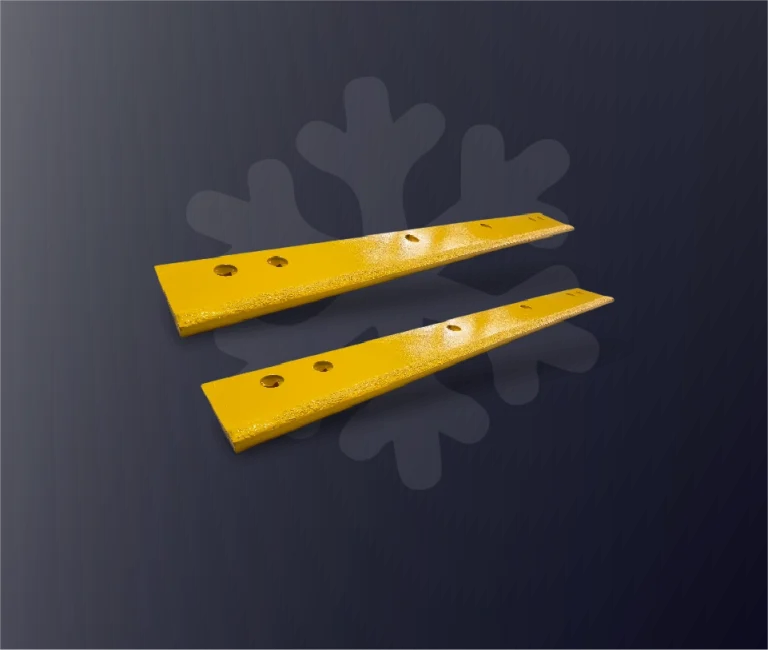
A snow plow blade lasts anywhere from 150–400 hours for standard steel to 800–1,500+ hours for carbide-insert blades — and the real lifespan is decided by material, road surface, speed and downforce, snow conditions, and maintenance practices, not by the part number. For municipalities and contractors, maximizing blade lifespan is a measurable performance target: carbide-reinforced blades extend service intervals 3–5× in abrasive conditions, cutting downtime, labor, and total cost per mile cleared.
(Last modified date: September 7, 2026)
Quick definition: According to data from the U.S.
Key Takeaways
- Typical lifespans: standard steel 150–400 hours, heat-treated steel 300–600 hours, carbide insert blades 800–1,500+ hours.
- Higher speeds and excessive downforce can reduce blade life by up to 25%; regular rotation and bolt tightening extend usable life 10–15%.
- The US spends over $2.3 billion annually on snow and ice control, and improper blade selection can raise replacement frequency 30–50%.
- Inspect blades every 50–100 operating hours during heavy season; see how much fuel a sharp edge saves.
Why Wear Is Becoming a Critical Cost Factor
According to data from the U.S. Federal Highway Administration (FHWA), the United States spends over $2.3 billion annually on snow and ice control operations. In heavy-snow states, winter maintenance can consume up to 20–30% of annual transportation budgets. Wear parts — especially cutting edges and plow blades — account for a significant share of recurring costs. Industry reports from the Snow & Ice Management Association (SIMA) indicate that improper blade selection can increase replacement frequency by 30–50%, particularly in regions with abrasive pavement or frequent freeze-thaw cycles. In northern states and Canada, operators may replace standard steel blades every 150–300 operating hours under heavy conditions. The pain points are clear: high blade replacement frequency, equipment downtime during peak snow events, rising labor and logistics costs, and increased fuel consumption from inefficient scraping.
What Factors Determine Snow Plow Blade Lifespan?
| Factor | Impact |
|---|---|
| Material composition | Carbon steel wears fastest; heat-treated steel moderate; carbide-reinforced blades last 3–5× longer in abrasive conditions |
| Road surface type | Asphalt aggregates accelerate wear; concrete increases impact stress; gravel causes chipping and uneven abrasion |
| Operating speed & down pressure | Higher speeds and excessive downforce can reduce blade life by up to 25% |
| Snow & ice conditions | Packed ice requires more aggressive scraping, increasing edge stress |
| Maintenance practices | Regular rotation and timely bolt tightening can extend usable life by 10–15% |
How Long Does a Typical Snow Plow Blade Last?
- Standard steel blade: 150–400 hours
- Heat-treated steel blade: 300–600 hours
- Carbide insert blade: 800–1,500+ hours
Field data from contractors in the Midwest shows carbide blades often last an entire winter season (or multiple seasons), while steel blades require multiple replacements within one season. See also the field factors that decide carbide blade life.
Why Traditional Steel Blades Are No Longer Cost-Effective
Steel blades fail in three ways that hurt the budget: short service life forces mid-storm change-outs, dull edges raise fuel consumption and pass counts, and frequent replacement consumes labor and logistics capacity. When blade cost is divided by verified service hours, steel’s apparent low price disappears — a $100 steel blade lasting 200 hours costs the same per hour as a $400 carbide blade lasting 800+ hours, without carbide’s uptime and safety benefits.
The SENTHAI Solution for Extended Blade Lifespan
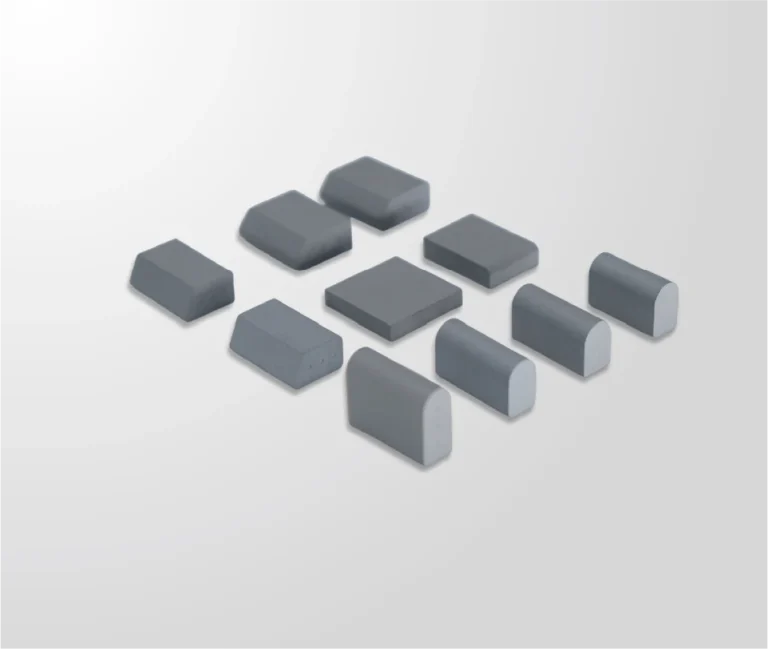
SENTHAI, with over 21 years of carbide wear part manufacturing experience, produces carbide snow plow blades, JOMA-style blades, packed-ice kits, and carbide inserts with automated Thailand production, vacuum sintering, and ISO 9001/14001-certified quality control. Its carbide edges deliver 800–1,500+ hours of service in demanding conditions, reducing change-outs and keeping fleets on the road during peak storms. See also carbide and packed ice solutions for Pittsburgh and SENTHAI vs traditional suppliers.
How the Implementation Process Works
- Audit current blade life and replacement intervals per route.
- Select the carbide configuration matched to the dominant failure mode.
- Run a pilot on one truck and log hours, fuel, and change-outs.
- Compare cost per operating hour and scale across the fleet.
Who Benefits Most from Extended-Life Blades
Municipal fleets, highway contractors, airports, and cold-storage facilities benefit most — any operation where downtime during a storm window is expensive and where abrasive routes force frequent steel change-outs. Small fleets also benefit when measured over full seasonal operation: reduced downtime and lower replacement frequency offset the initial investment.
FAQs
How can I calculate blade cost per operating hour?
Divide blade purchase price by total verified service hours.
Does carbide damage pavement?
Properly engineered carbide inserts are designed for controlled contact and do not significantly increase surface wear when correctly installed.
How often should blades be inspected?
Every 50–100 operating hours during heavy snow season.
Can carbide blades be used on all plow types?
Most standard municipal and highway plows are compatible; confirm mounting specifications.
Is upfront cost justified for small fleets?
Yes, when measured over full seasonal operation — reduced downtime and lower replacement frequency offset the initial investment.
Related Articles
- Why Snow Plow Fuel Efficiency Drops Faster Than You Expect When Blade Edges Dull
- How Long Do Carbide Plow Blades Last? The Field Factors That Decide It
- Snow Plow Blades for Pittsburgh: Carbide, JOMA, and Packed Ice Solutions
- SENTHAI vs Traditional Suppliers: Logistics and Tech Support Edge
Official Resources
Sources
Related articles
 Best Snow Plow Blade Family for Your Fleet: Top 5 ScenariosKnowledge
 Top 10 Snow Plow Blade Types for Winter Fleets (Ranked by Duty Fit)Knowledge
 Top 5 Best Carbide Blade Configurations for Highway PlowingKnowledge
 Best Snow Plow Blade Materials Ranked: Steel vs Carbide vs Cladding vs Rubber-CarbideKnowledge