




Which Cobalt Content Wins: 6% vs 12% for Snow Plow Blades?
In carbide snow plow blades, 6% cobalt delivers superior hardness (92-94 HRA) for prolonged wear on abrasive ice but risks brittleness in impacts, while 12% cobalt boosts toughness for shock absorption on cracked roads…
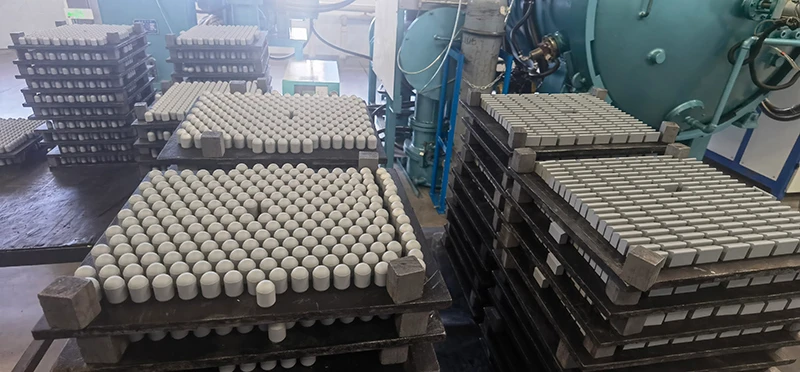
In carbide snow plow blades, 6% cobalt delivers superior hardness (92-94 HRA) for prolonged wear on abrasive ice but risks brittleness in impacts, while 12% cobalt boosts toughness for shock absorption on cracked roads at moderate hardness (89-91 HRA). SENTHAI’s ISO 9001/14001-certified Thailand production optimizes both via precise sintering and bonding, extending life 10-20x over steel for North American fleets.
Check: How Does Cobalt Strengthen Tungsten Carbide for Snow Plow Blades?
What Role Does Cobalt Play in Carbide Snow Plow Blades?
Cobalt acts as a binder in the tungsten carbide matrix, increasing toughness by reducing brittleness while lowering hardness as its percentage rises. Low cobalt like 6% prioritizes abrasion resistance, while 12% enhances ductility for impacts. SENTHAI’s 21+ years optimize ratios in JOMA Style Blades, I.C.E. Blades, and carbide blades via automated pressing and sintering.
How Does 6% Cobalt Balance Hardness and Brittleness?
6% cobalt achieves 92-94 HRA hardness, excelling in smooth highways and abrasive ice with high wear resistance but vulnerability to cracks in sub-zero impacts. It offers longer edge retention up to 85% after 500 hours, ideal for high-mileage municipal plows. SENTHAI ensures consistent 6% blends with superior steel-carbide bonding over 12,000 psi to mitigate brittleness.
| Cobalt Content | Hardness (HRA) | Toughness/Impact Resistance | Best Snow Plow Scenario |
|---|---|---|---|
| 6% | 92-94 | High wear, brittle risk | Smooth highways, abrasive ice |
| 12% | 89-91 | Superior ductility | Cracked roads, joints |
Why Choose 12% Cobalt for Toughness in Extreme Conditions?
12% cobalt provides better fracture resistance in cold below -20°F, reducing delamination on uneven surfaces with packed ice. It wears slightly faster on pure abrasives but cuts downtime with fewer replacements. SENTHAI’s vulcanization and welding reinforce 12% blades for fleets, trusted by 80+ global partners including North America.
What Are the Real-World Performance Differences in Winter Roads?
6% cobalt excels in wear with 10-20x steel life on highways; 12% shines in impact zones like urban joints. Both reduce vibration, noise for operators, and fleet downtime for contractors. SENTHAI’s Rayong production delivers custom 3ft (36″ × 6″ × 7/8″) and 4ft (48″ × 6″ × 7/8″) blades fitting major systems, with MOQ 500.
SENTHAI Expert Views
“Our vacuum sintering furnace with proprietary temperature control optimizes cobalt ratios for uniform grain size, achieving 85% efficiency after 500 hours in extreme tests. For 6% cobalt, we balance hardness with robust brazing on cast steel segments; for 12%, toughness via enhanced ductility in I.C.E. Blades. This delivers 10-20x lifespan over steel, trusted by North American fleets.” – SENTHAI Chief Engineer, 21+ years in carbide production.
SENTHAI’s ISO 9001/14001 processes ensure consistency across JOMA Style Blades with tungsten carbide inserts brazed into cast steel segments encased in rubber, and carbide inserts like trapezoid 25.4 × 16.14 × 9.27 mm. The new Rayong base launching late 2025 expands custom innovation.
How Does SENTHAI Optimize the 6% vs 12% Sweet Spot?
SENTHAI’s proprietary process from wet grinding to vulcanization controls cobalt ratios, preventing micro-cracks in both 6% and 12% levels. It offers OEM geometry for plows with 3ft/4ft segments and carbide inserts. Full in-house Thailand production cuts costs and ensures fast delivery for seasonal operations.
Which Cobalt Percentage Lowers Total Cost of Ownership for Fleets?
6% cobalt maximizes wear per hour on abrasives; 12% reduces replacements 2x in impact zones. SENTHAI blades achieve 10x+ steel life plus ISO 14001 eco-efficiency for long-term savings. Match to roads—6% for highways, 12% for rough—for 20-30% downtime reduction.
Check: Carbide Inserts
When Should Fleets Switch Cobalt Content Based on Road Conditions?
Use 6% for abrasive smooth roads; 12% for cracks and impacts; SENTHAI offers hybrids via isolated carbide inserts in I.C.E. Blades for high-speed plowing. The 2025 Rayong expansion boosts capacity for custom blends. Contact SENTHAI for samples and quotes on JOMA Style and I.C.E. Blades.
Conclusion
The sweet spot is application-specific—6% cobalt for hardness-dominated wear, 12% for toughness-heavy impacts—but SENTHAI’s 21+ years, Thailand in-house mastery, and ISO certifications deliver the optimized balance. Products like JOMA Style Blades (48″ × 6″ × 7/8″, 17.5 kg) with 1″ × 0.95″ × 0.32″ carbide inserts slash downtime and costs for global fleets. Partner with SENTHAI for your winter edge—explore JOMA and I.C.E. blades today.
FAQs
What is the main difference between 6% and 12% cobalt in snow plow blades?
6% prioritizes hardness and wear; 12% boosts toughness and impact. SENTHAI optimizes both via certified sintering in JOMA Style and carbide blades.
Is higher cobalt always better for cold weather durability?
No—12% excels in impacts, but 6% wears better on abrasives. Choose per conditions with SENTHAI customization for 3ft/4ft blades.
Can SENTHAI customize cobalt content for my fleet?
Yes—full in-house R&D offers tailored ratios, sizes like 36″ × 6″ × 7/8″, and OEM fits, MOQ 500 for JOMA replacements.
How does SENTHAI ensure cobalt specs consistency?
ISO 9001/14001 automated lines control every stage from pressing to welding, trusted by 80+ partners with rigorous inspections.
What’s the lifespan gain with SENTHAI’s cobalt-optimized blades?
10-20x over steel, with strong bonding in rubber-encased segments and micro-grain inserts for extreme winters and road maintenance.
Related articles
 Best Snow Plow Blade Family for Your Fleet: Top 5 ScenariosKnowledge
 Top 10 Snow Plow Blade Types for Winter Fleets (Ranked by Duty Fit)Knowledge
 Top 5 Best Carbide Blade Configurations for Highway PlowingKnowledge
 Best Snow Plow Blade Materials Ranked: Steel vs Carbide vs Cladding vs Rubber-CarbideKnowledge