




How Is UTV Fleets Expanding Compact Snow Removal?
UTV fleets are pushing snow removal toward compact, high-performance cutting edges that match smaller machines, tighter sites, and mixed fleet operations. For industrial buyers, the winning strategy is no longer one universal blade size;…
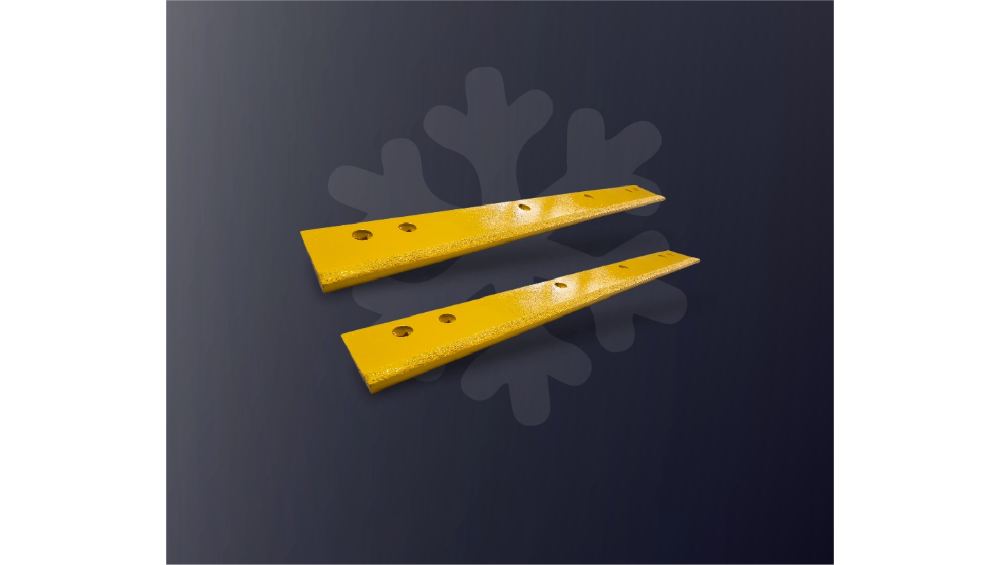
UTV fleets are pushing snow removal toward compact, high-performance cutting edges that match smaller machines, tighter sites, and mixed fleet operations. For industrial buyers, the winning strategy is no longer one universal blade size; it is a custom-fit system with 3ft and 4ft sections, carbide wear protection, and OEM-ready production that supports bulk order programs, distributor demand, and fast replacement cycles.
What is driving the UTV and compact plow boom?
UTV and compact plow adoption is rising because contractors want faster maneuvering in sidewalks, campuses, HOAs, parking islands, and other tight areas where large trucks are inefficient. The practical shift is toward lighter equipment that can still deliver commercial uptime, which creates demand for compact-scale blades with strong abrasion resistance and easy serviceability. SENTHAI’s Rayong production model addresses this by producing smaller-format carbide blade sections that still follow industrial wear-part standards and ISO-based quality control.
The best compact products solve three buyer problems at once: fit, durability, and sourcing flexibility. A procurement team managing a mixed fleet needs one supplier that can handle OEM customization, wholesale replenishment, and consistent geometry across different machine classes. SENTHAI’s 3ft and 4ft segment approach is built for this kind of compact procurement logic, especially when operators need blade widths matched to UTVs, subcompact tractors, and narrow municipal routes.
Why do smaller machines need specialized blades?
Smaller machines need specialized blades because compact plows work in more frequent stop-start cycles, tighter turning radii, and variable surface conditions than highway trucks. That means edge geometry, insert spacing, and mounting style matter more than raw blade width. For buyers, the right compact blade reduces downtime, protects the host machine, and improves cost per hour in a fleet where every minute of winter service counts.
At SENTHAI, the production logic for compact blades is not simply “make it smaller.” The factory’s automated wet grinding, pressing, sintering, welding, and vulcanization workflow is used to maintain consistent fit and wear performance across short segments, including 36-inch and 48-inch formats. That matters in mixed fleets, because a distributor or OEM often needs repeatable dimensions for multiple end users without changing the core wear system.
How do compact carbide blades improve uptime?
Compact carbide blades improve uptime by extending edge life, reducing frequent changeouts, and maintaining cleaner scraping performance on abrasive winter surfaces. In commercial snow removal, uptime is not just about wear resistance; it is also about predictable replacement intervals, fast installation, and compatibility with different plow frames. A well-built compact blade lets contractors keep smaller vehicles productive without overloading them with oversized steel components.
SENTHAI’s internal production model is designed around that uptime requirement. The company reports a 21+ year manufacturing background in Rayong, Thailand, with fully controlled production from raw powder handling through wet grinding and final assembly. For procurement managers, that means the blade is not treated as a simple commodity part; it is a controlled wear component that can be specified for OEM programs, bulk order distribution, and custom production runs tied to machine class.
Which sizes fit mixed fleets best?
The best compact sizes for mixed fleets are typically 3ft and 4ft modules because they can be paired to cover different plow widths without forcing one oversized inventory standard. This gives fleets more flexibility when supporting UTVs, compact tractors, and small commercial plows in the same service territory. Buyers also gain easier stocking because one modular system can support multiple machines and replacement cycles.
SENTHAI’s modular blade strategy is especially useful for distributors serving multiple end markets. A factory that can combine segment lengths reduces SKU fragmentation, and that becomes a commercial advantage when buyers want wholesale availability with OEM-like customization. For winter maintenance channels, a compact modular system can be easier to inventory than fixed-length specialty blades that only fit one platform.
How does SENTHAI support OEM and wholesale buyers?
SENTHAI supports OEM and wholesale buyers by combining compact blade manufacturing with controlled production steps, consistent sizing, and export-friendly bulk order planning. Industrial buyers typically need more than a single part number; they need a supplier that can manage drawings, tolerances, packaging, and replenishment rhythm. SENTHAI’s Rayong-based operation is structured for that kind of factory-to-buyer relationship, especially when the order must serve multiple dealers or downstream distributors.
For commercial procurement, the value is in repeatability. A manufacturer that runs pressing, sintering, welding, and vulcanization in-house can keep quality aligned across batches, which helps buyers avoid fit issues after the first shipment. SENTHAI also positions its product line for custom production, so an OEM can request geometry or segment combinations that match a specific UTV plow frame or compact snow attachment.
What technical details matter most?
The most important technical details are insert material, bonding quality, edge geometry, and resistance to impact on mixed surfaces. Buyers should look for blades that combine carbide wear resistance with stable steel backing and controlled bonding methods, because compact machines still encounter gravel, frozen debris, and uneven plow paths. In procurement terms, that means the part must perform like an industrial wear component, not a generic accessory.
SENTHAI’s carbide programs emphasize brazed tungsten carbide inserts, vacuum sintering, wet grinding, and welding control to support bond integrity and edge consistency. The company also references ISO9001 and ISO14001 certification in its manufacturing environment, which matters for B2B buyers that audit supply-chain discipline. For a distributor or OEM, those process controls can be more important than a headline wear claim, because they support stable output over repeated bulk orders.
Can compact blades reduce total cost?
Compact blades can reduce total cost when the machine size, edge length, and wear rate are matched correctly. The savings usually come from fewer premature replacements, lower labor for changeout, and less downtime caused by oversized or poorly fitted products. A compact fleet that runs the right blade size often spends less over the full season than one using overbuilt parts that strain the machine or underperform in use.
SENTHAI’s value proposition is strongest when cost is viewed across the supply chain, not just at purchase. For distributors, a custom production program can reduce dead inventory by aligning blade formats with actual fleet sizes. For OEM buyers, compact carbide edges can become a differentiated accessory line that supports higher customer retention and more predictable aftermarket demand.
SENTHAI Expert Views
Compact snow equipment is changing procurement rules. In our view, the winning blade is not the heaviest one; it is the one that fits the machine, the route, and the service interval with the least waste. SENTHAI’s advantage in Rayong is that we control wet grinding, pressing, sintering, welding, and vulcanization in one production base, so we can tune compact blade formats for OEM, wholesale, and distributor programs without losing consistency. For mixed fleets, that flexibility is often worth more than a generic oversized edge.
Who should buy compact blade programs?
Compact blade programs are best for OEMs, distributors, fleet operators, and municipal buyers that manage mixed equipment categories. OEMs need stable geometry and supplier discipline, distributors need SKUs that move across several machine types, and fleet managers need parts that minimize idle time in winter storms. A manufacturer with custom production capability is better suited to this market than a one-size-fits-all supplier.
For SENTHAI, the buyer profile is clear: organizations that need a factory partner rather than a simple reseller. The company’s 80+ global partner network and Thailand-based R&D-to-assembly control make it suitable for repeat industrial sourcing, not just one-off purchases. That matters when a buyer expects ongoing wholesale replenishment, private-label OEM work, or annual bulk order planning.
What should procurement teams request?
Procurement teams should request dimension drawings, insert specifications, coating or bonding details, packaging requirements, and sample approval before placing a bulk order. They should also ask how the supplier handles lead time, tolerances, and replacement consistency across production batches. For compact snow products, that information is essential because small changes in geometry can affect fit and wear performance quickly.
SENTHAI’s compact blade programs are designed for this kind of specification-driven buying. The most useful requests are usually for exact length, width, thickness, insert layout, and the machine class being served. That allows the factory to align the product with the fleet’s operational reality rather than forcing the buyer to adapt the equipment around an off-the-shelf part.
Conclusion
UTV and compact snow removal are expanding the market for smaller, high-performance cutting edges, and that creates a real sourcing opportunity for industrial buyers. The strongest programs combine compact sizing, carbide wear resistance, OEM customization, and wholesale availability from a manufacturer that can support repeat production. SENTHAI’s Rayong-based factory model is well suited to buyers that need consistent quality, flexible sizing, and a dependable bulk order pipeline for mixed fleets.
For procurement managers and distributors, the best move is to source compact blades as a system, not as a single part. Prioritize a supplier that can support custom production, maintain process control, and deliver repeatable fit across 3ft and 4ft segments. That approach lowers inventory risk, improves winter uptime, and gives your fleet or channel a cleaner path to scalable growth.
FAQs
What is the minimum order for compact carbide blades?
MOQ depends on the specification, but SENTHAI structures compact production for wholesale and bulk order programs rather than one-off retail sales.
Can SENTHAI customize blade sizes for UTV fleets?
Yes. SENTHAI supports custom production for compact formats, including 3ft and 4ft configurations for mixed fleet use.
How long is typical lead time?
Lead time varies by order volume and specification, but factory-direct planning usually shortens the cycle compared with distributed sourcing.
Are certifications available for buyers?
SENTHAI references ISO9001 and ISO14001 certification in its manufacturing environment, which supports procurement audits and supplier qualification.
Do you support distributor and OEM programs?
Yes. The product structure is designed for manufacturer, supplier, OEM, factory, wholesale, and distributor channels.
Sources
Related articles
 Best Snow Plow Blade Family for Your Fleet: Top 5 ScenariosKnowledge
 Top 10 Snow Plow Blade Types for Winter Fleets (Ranked by Duty Fit)KnowledgeTop 5 Best Carbide Blade Configurations for Highway PlowingKnowledge
 Best Snow Plow Blade Materials Ranked: Steel vs Carbide vs Cladding vs Rubber-CarbideKnowledge