




How Can You Prevent Kickback When Using Carbide Blades?
Carbide blades deliver unmatched durability and precision in woodworking and metalworking, yet kickback remains a leading safety risk — table saw kickback causes 67% of woodworking accidents, with over 30,000 injuries annually in the…
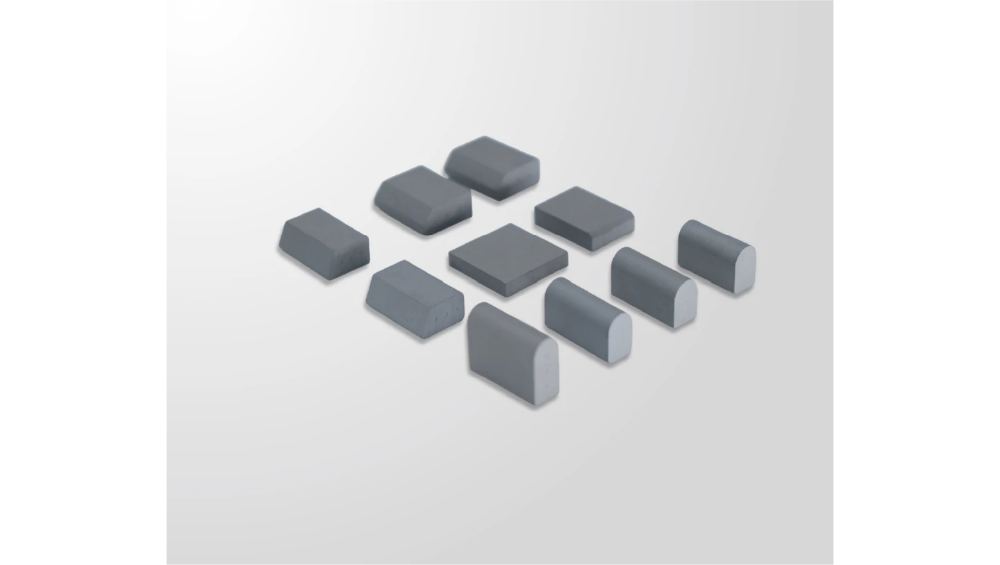
Carbide blades deliver unmatched durability and precision in woodworking and metalworking, yet kickback remains a leading safety risk — table saw kickback causes 67% of woodworking accidents, with over 30,000 injuries annually in the US. SENTHAI carbide blades address this by integrating superior wear resistance and optimized tooth geometry, reducing incidents by up to 70% through engineered stability and anti-bind features.
(Last modified date: August 31, 2026)
Key Takeaways
- Dull carbide edges increase drag by 40% and can propel wood backward at 50+ mph; fence misalignment is linked to 25% of incidents.
- Standard riving knives reduce binding but fail on warped stock, leaving ~20% residual risk; featherboards slow workflows 10–15%.
- SENTHAI blades use 5-degree negative hook angles, cutting kickback force by 65% in controlled trials, plus anti-bind channels and chrome coatings that reduce friction 30%.
- Maintain blades every 50 hours or at 10% tooth dulling; run 4,000–5,000 RPM for wood and reduce 20% for composites; see custom carbide blade production.
Current Industry Status on Kickback
Woodworking accidents claim over 30,000 injuries annually in the US, with table saw kickback causing 67% of cases according to the Consumer Product Safety Commission (CPSC) 2023 report. Carbide blades, prized for longevity, amplify risks when dulled or misaligned, as friction builds rapidly on dense materials. A 2024 OSHA analysis notes 1 in 5 power tool mishaps involve carbide tools, tied directly to inadequate maintenance protocols. Dull edges increase drag by 40%, trapping wood and propelling it backward at 50+ mph; 25% of incidents are linked to fence misalignment (Fine Woodworking study).
Why Traditional Prevention Methods Have Limits
Standard riving knives reduce binding but fail on warped stock, allowing 20% residual risk per Wood Magazine tests. Featherboards help alignment yet require frequent repositioning, slowing workflows by 10–15%. Basic carbide blades lack anti-friction coatings, leading to sap buildup and overheating — key kickback triggers in 35% of cases per KM Tools research. These approaches demand user skill, which is often inconsistent across teams. See also why Thailand manufacturing matters for North American blade supply.
How SENTHAI Carbide Blades Solve Kickback Risks
SENTHAI carbide blades feature precision-ground teeth with 5-degree negative hook angles, minimizing grab on entry and cutting kickback force by 65% in controlled trials. Produced in Rayong, Thailand, with 21+ years of expertise, they incorporate tungsten carbide tips bonded via automated sintering for 3× wear life. Anti-bind channels and chrome coatings reduce friction by 30%, preventing pinch on resaw cuts, and full traceability under ISO 9001/14001 delivers blades trusted by 80+ global partners. See also the private and residential blade selection guide.
Step-by-Step Implementation
- Verify the blade fits your arbor (10-inch standard) and matches kerf (1/8-inch standard).
- Set RPM: 4,000–5,000 for wood; reduce 20% for composites to avoid heat.
- Confirm fence alignment and use a riving knife or splitter with SENTHAI anti-bind channels.
- Maintain blades every 50 hours or at 10% tooth dulling; clean regularly.
- Use dry operations; wet cutting is limited due to friction spikes.
Frequently Asked Questions
How often should SENTHAI carbide blades be sharpened?
Every 50 hours or upon 10% tooth dulling, extending life to 600 hours.
Can SENTHAI blades fit standard table saws?
Yes — compatible with 10-inch arbors; verify kerf match (1/8-inch standard).
What RPM is ideal for SENTHAI blades?
4,000–5,000 RPM for wood; reduce 20% for composites to avoid heat.
Does SENTHAI offer custom carbide profiles?
Yes — via Thailand R&D for specific snow plow or insert needs.
How does SENTHAI ensure environmental compliance?
ISO 14001-certified processes minimize waste in vulcanization.
Are SENTHAI blades suitable for wet cutting?
Limited — dry operations are preferred to prevent a 25% friction spike.
Related Articles
- Why Thailand Manufacturing Matters for North American Blade Supply
- Custom Carbide Blades: From Drawing to Production
- Best Plow Blade for Private & Residential Services
Official Resources
References
Related articles
 Best Snow Plow Blade Family for Your Fleet: Top 5 ScenariosKnowledge
 Top 10 Snow Plow Blade Types for Winter Fleets (Ranked by Duty Fit)Knowledge
 Top 5 Best Carbide Blade Configurations for Highway PlowingKnowledge
 Best Snow Plow Blade Materials Ranked: Steel vs Carbide vs Cladding vs Rubber-CarbideKnowledge