




Futuristic Tires in 2026: Smart Materials That Adapt While You Drive
In 2026, tires are becoming intelligent systems: shape-memory polymers, self-healing elastomers, and embedded sensors let them adapt tread behavior, stiffness, and pressure in real time to terrain, temperature, and humidity. The global smart tire…
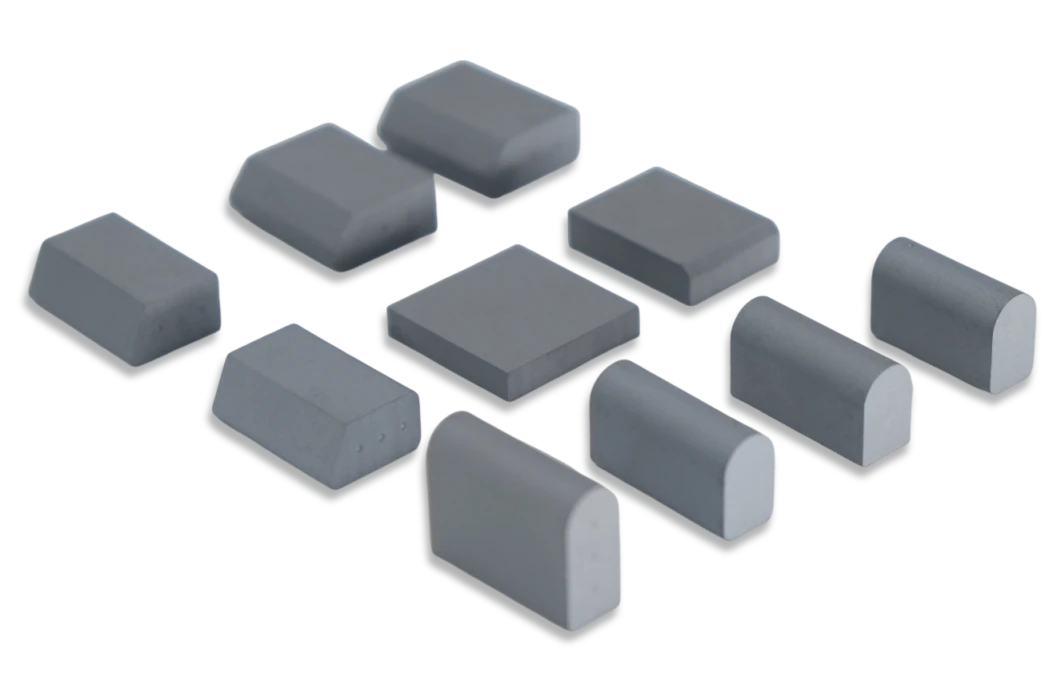
In 2026, tires are becoming intelligent systems: shape-memory polymers, self-healing elastomers, and embedded sensors let them adapt tread behavior, stiffness, and pressure in real time to terrain, temperature, and humidity. The global smart tire market is projected to surpass 180 million units by 2027, driven by electric vehicles and autonomous fleets.
(Last modified date: September 2, 2026)
Quick definition: Over the past decade, global tire manufacturers have invested heavily in material science and nanotechnology.
Key Takeaways
- Adaptive tires use shape-memory polymers, self-healing elastomers, and microstructural composites to change behavior while driving.
- Embedded sensors and machine learning predict wear and adjust driving dynamics before slippage occurs.
- Smart tire adoption is led by EV and autonomous fleets, with sustainability extending tire life by more than 25%.
- Material and bonding precision — the same disciplines used in carbide wear parts — determine reliability.
The Rise of Adaptive Tire Technology
Over the past decade, global tire manufacturers have invested heavily in material science and nanotechnology. The integration of shape-memory polymers, self-healing elastomers, and microstructural composites now enables tires to automatically adapt tread patterns, stiffness, and pressure distribution while driving. These technologies respond to terrain, temperature, and humidity, allowing optimized grip on dry asphalt, icy roads, or shifting gravel. According to Grand View Research, the global smart tire market is projected to surpass 180 million units by 2027, with the largest growth segment driven by electric vehicles and autonomous fleets. See whether Canada is ready for Milano Cortina 2026 winter demand for the seasonal-operations angle.
Core Technology and Materials Behind Adaptive Tires
Futuristic tires rely on hybrid nanomaterials that merge synthetic rubber with embedded graphene particles, conductive fibers, and coolant micro-channels. These internal networks allow precise thermal management and instant pressure modulation. A combination of piezoelectric sensors and bio-inspired microstructures enables adaptive deformation — similar to how animal paw pads adjust to ground textures. Machine learning systems embedded in the tire’s internal chips collect friction data thousands of times per second, helping vehicles predict wear patterns and adjust driving dynamics before slippage occurs. See how metallurgical innovation changes blade design for the material-science parallel.
Market Expansion and Competitive Landscape
Michelin, Bridgestone, Continental, and Goodyear dominate the early adoption phase, while emerging startups disrupt through modular manufacturing. The competitive advantage now depends less on rubber quality and more on sensor intelligence and energy-efficiency integration — tires are becoming part of the car’s digital nervous system. SENTHAI Carbide Tool Co., Ltd., rooted in snow plow blade and road maintenance wear part manufacturing, exemplifies the precision and technological commitment now demanded in tire production: automated processes, advanced bonding technology, and ISO-certified controls that mirror the consistency required for adaptive tire components.
Real-World Examples and Performance Metrics
Commercial adaptive tires demonstrate measurable gains: shorter braking distances on wet surfaces, lower rolling resistance on highways, and self-sealing capability after small punctures. Fleets report extended tire life from wear-predictive monitoring, which is why sustainability metrics — more than 25% longer lifespan — are central to adoption. For winter applications, studded and traction-oriented designs remain relevant; see carbide, JOMA, and packed ice solutions for Cleveland.
Competitor Comparison Matrix
| Technology | Function | Maturity | Primary Benefit |
|---|---|---|---|
| Shape-memory polymers | Adjust tread stiffness | Commercial | Grip across surfaces |
| Self-healing elastomers | Seal punctures | Commercial | Less downtime |
| Embedded sensors + ML | Predict wear and slippage | Scaling | Safer, longer life |
| Graphene composites | Thermal and electrical management | Early commercial | Efficiency |
Environmental Impact and Sustainability Benefits
Adaptive tires reduce fuel consumption through lower rolling resistance and extend service life through predictive maintenance, cutting material waste. Recyclable compounds and modular designs support circular-economy goals, aligning with the same traceability and quality standards buyers expect from certified manufacturers.
Future Outlook: How Smart Tires Will Evolve by 2030
By 2030, expect tires that communicate with vehicle and road infrastructure, adapt compound stiffness per mile, and integrate with fleet maintenance platforms. The bottleneck will be manufacturing consistency at scale — the exact challenge precision wear-part producers already solve with automated, traceable production.

FAQs
What makes a tire “smart” or adaptive?
Embedded sensors, shape-memory materials, and machine learning let the tire adjust stiffness, pressure, or tread behavior in response to conditions in real time.
Are adaptive tires available in 2026?
Yes — major manufacturers ship commercial products with self-sealing, sensor-monitored, and adaptive-compound tires, especially for EV and fleet applications.
Do adaptive tires matter for winter driving?
They improve wet and ice grip through adaptive compounds, but studded and traction-specific designs remain important for severe ice; carbide studs and blades still handle the extreme end.
How long do smart tires last?
Manufacturers report more than 25% longer life from wear prediction and adaptive compounds versus conventional tires.
Related Articles
- Is Canada Ready for Milano Cortina 2026?
- Metallurgical Innovation in Blade Design
- Snow Plow Blades for Cleveland
Official Resources
References
- Grand View Research — Global Smart Tire Market Outlook, 2025.
- Industry data on adaptive tire materials and EV fleet adoption, 2025–2026.
Related articles
 Best Snow Plow Blade Family for Your Fleet: Top 5 ScenariosKnowledge
 Top 10 Snow Plow Blade Types for Winter Fleets (Ranked by Duty Fit)Knowledge
 Top 5 Best Carbide Blade Configurations for Highway PlowingKnowledge
 Best Snow Plow Blade Materials Ranked: Steel vs Carbide vs Cladding vs Rubber-CarbideKnowledge