
Carbide Raw Material Availability: Planning Through Tight Supply
A carbide raw material shortage rarely announces itself as an empty shelf. It arrives first as a longer acknowledgement, then as a grade substitution offer, then as a delivery date that holds but a…

A carbide raw material shortage rarely announces itself as an empty shelf. It arrives first as a longer acknowledgement, then as a grade substitution offer, then as a delivery date that holds but a quantity that does not. For a buyer of wear parts the useful response is preparation rather than prediction: know which grades the programme depends on, how many manufacturers can make them, and how long a change of route would take.
This article sets out where availability risk actually sits, what signals reach a buyer before the shortage does, and how to plan through a tight market without over-committing capital.
What the Data Shows
Concentration, not scarcity.
Tungsten is not scarce in the ground; the exposure sits in processing capacity, export policy and the time it takes to qualify a different supply route. That is why the same material can be freely available in one grade and short in another.
The data that describes this is published by industry bodies rather than by traders. The applications side, showing where tungsten is consumed, is documented by the ITIA, and the binder metal side by the Cobalt Institute. Reading both matters because cemented carbide is a composite: a tungsten constraint and a cobalt constraint arrive at the same part from different directions.
It also matters which form is being discussed. Concentrate, intermediate product, carbide powder and a finished wear part sit at four stages with four supply bases, and a constraint at one stage does not translate proportionally into the next. Powder metallurgy processing is documented by bodies such as MPIF, and understanding that route is what allows a buyer to judge whether a claimed constraint is real.
Recycled material is the least discussed part of the picture and one of the most useful. Cemented carbide scrap can be returned to powder and re-entered into the chain, which makes recovery a genuine secondary source and a reason for a buyer to treat worn parts as material rather than as waste.
What Is Driving the Change
Policy plus concentrated capacity.
Export controls, critical-minerals designations and a processing base concentrated in a small number of regions have turned availability into a planning item rather than a purchasing detail. None of those drivers moves on a demand timetable.
Trade policy is the visible one. Export licensing and duty changes are announced by authorities such as USTR and implemented on a political calendar, so a manufacturer can be holding a valid specification and an invalid supply route at the same time. For an importer, the documentation side of the same question is handled by the destination customs authority, and in the United States that is CBP.
Capacity is the quieter driver. Powder preparation, presses, sintering furnaces and brazing lines are all capacity-limited, and a season’s demand is compressed into a few months. When a market’s orders concentrate into fewer suppliers, the queue for that capacity lengthens, and a buyer without a qualified alternative competes for the same slot as everyone else.
Demand mix adds the last pressure. Wear parts consume a far greater mass of carbide than small cutting tools, because the parts are large and are designed to be worn away. Growth in road maintenance, mining and agricultural equipment demand therefore translates into material demand quickly, and the effect arrives at a buyer as extended scheduling rather than as a headline shortage.
What It Means for Buyers
Plan grade depth, not just volume.
Know which grades the programme actually depends on, how many qualified manufacturers can supply each, and how long a change of route would take. Cover belongs on the critical few rather than spread thinly across a catalogue.
| Signal | What it usually means | Useful action |
|---|---|---|
| Quotation validity periods shorten | Supplier uncertainty about input cost | Place planned volume inside the current window |
| Order acknowledgements take longer | Scheduling is being reworked | Confirm dates in writing, not verbally |
| A grade substitution is offered | The original grade is constrained | Check the substitute against the duty, not the price |
| Maximum order quantity appears | Allocation is being applied | Consolidate requirements and prioritise critical lines |
| Freight transit extends | Lane capacity rather than production constraint | Review safety stock for transit time, not usage |
| Scrap buy-back becomes interesting to both sides | Secondary material is valued again | Set up a return route for worn parts |
The planning consequence is that safety stock should be sized against replacement time rather than against average consumption. Where a route takes longer to replace than it did last year, the buffer has to grow even if usage has not changed, because the risk being covered is a supply delay rather than a demand spike.
Substitution deserves care. A grade offered as an alternative may be technically suitable and commercially attractive, or it may be cheaper because it is less tough, less wear-resistant or harder to braze. A substitution should be assessed against the same specification points the original part was bought on — grade, hardness and toughness balance, tolerance and fitment — rather than accepted on availability alone.
What It Means for Suppliers
Yield and grade discipline.
In a tight market the manufacturer that wastes less material and over-specifies fewer grades keeps supplying while others allocate. Both are internal capabilities rather than market advantages.
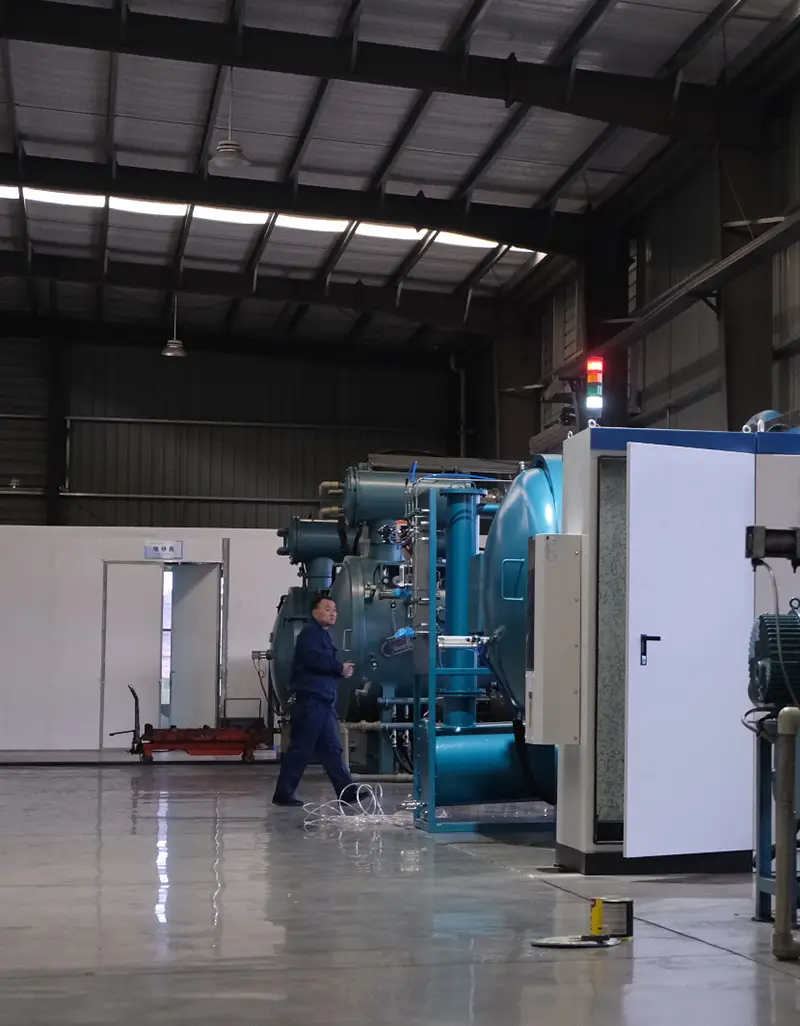
Yield is decided across the whole process chain. Wet grinding powder preparation, robotic pressing up to 500 tons, vacuum and low-pressure sintering, automated high-temperature induction brazing with annealing and finishing are the steps where material is lost or preserved, and a manufacturer controlling all of them can absorb a material constraint by reducing scrap instead of reducing supply.
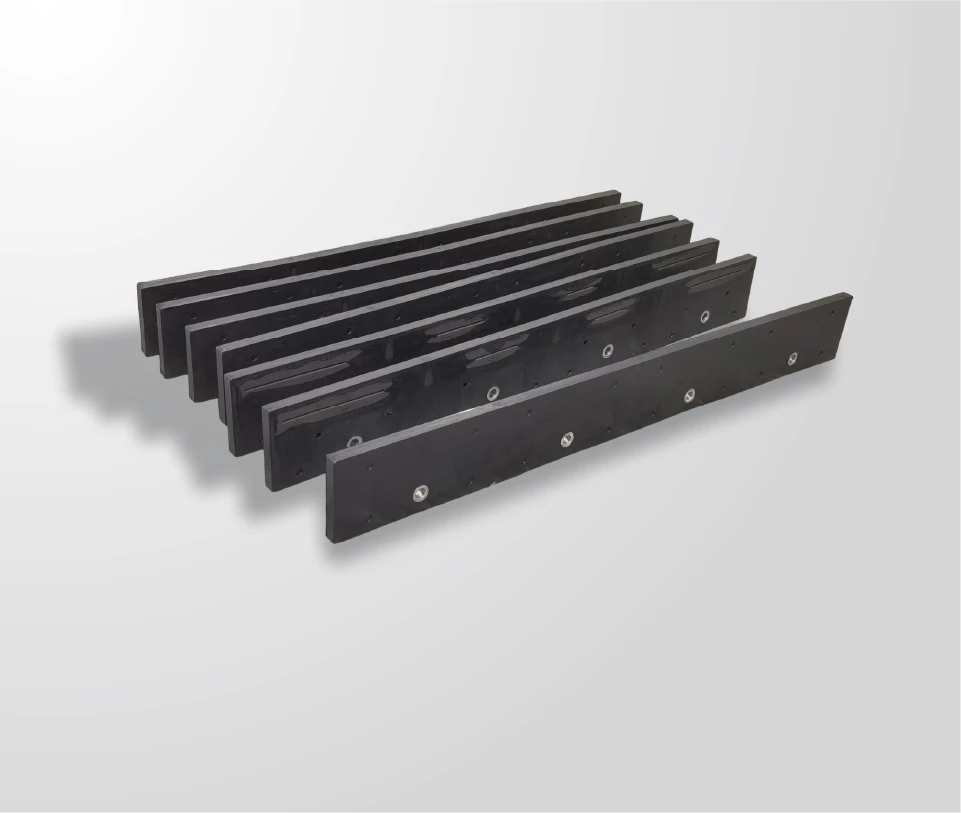
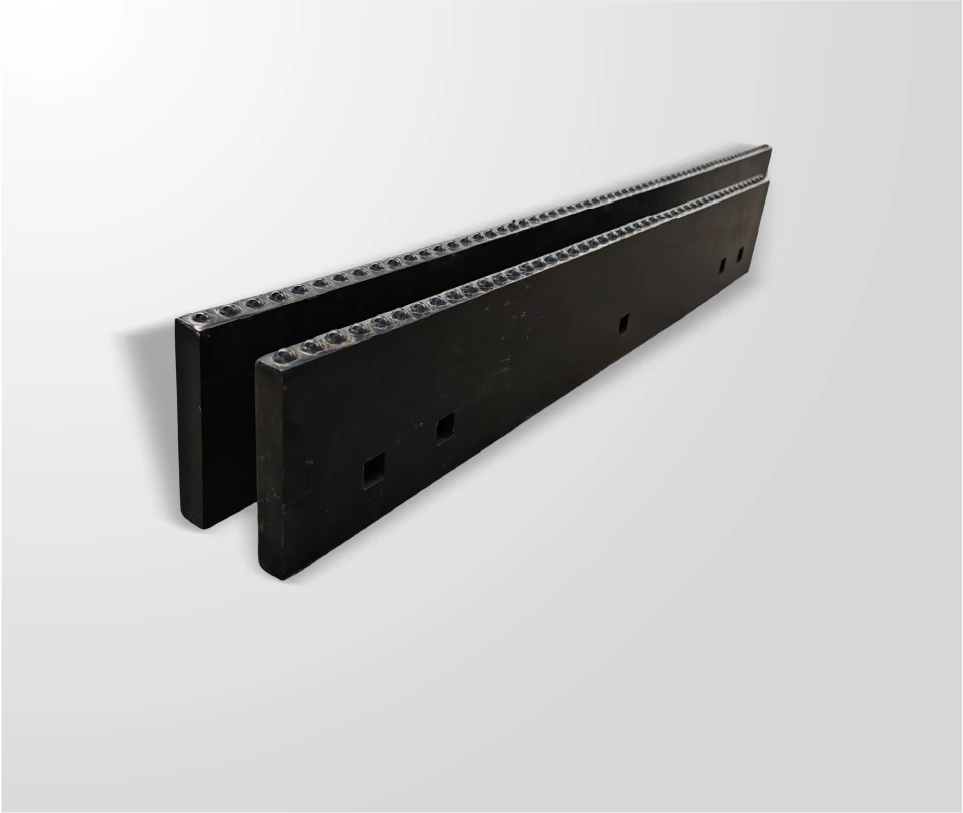
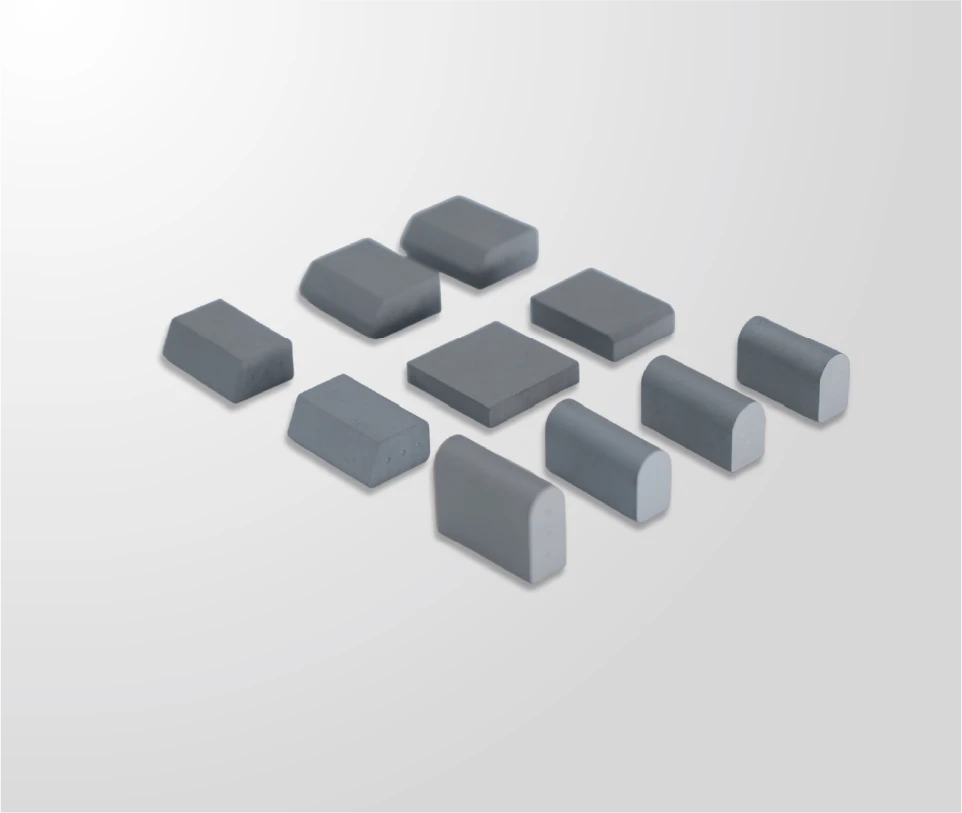
SENTHAI is a US-invested manufacturer producing 100 per cent of its carbide wear parts in Thailand from non-China tungsten raw materials. The in-house chain covers powder preparation, pressing to 500 tons, sintering, brazing with annealing, a vulcanization workshop and finishing, with micro-grain carbide inserts in trapezoid and bullnose profiles and documented grades whose hardness and toughness balance is stated in HRA and grain size.
Grade discipline is the second half of the answer. Offering the grade the duty requires, rather than the most capable grade available, keeps expensive material out of applications that do not need it. Machine insert pockets held to ±0.02 mm and lot-level traceability with every batch inspected and archived support the same objective, because a part that fails early consumes material twice.
Regional Differences
Availability is regional even when the material is not, because processing capacity, energy cost and import conditions differ between markets.
Processing capacity is unevenly distributed. Some regions hold substantial powder and sintered part production and others hold very little, which means a buyer’s practical access to alternative supply depends on where the parts are made rather than on where the material is mined.
Import conditions differ as well. Classification, duty treatment and documentation requirements are set by the destination market, and a route that is straightforward into one country may carry extra steps into another. Checking the classification of a part before a season starts is more useful than discovering it at the port.
Freight lane is the third variable. SENTHAI ships to North America, Europe, Asia and the Middle East, and for heavy, low-value-per-kilogram parts the container route is a material part of the availability question rather than an afterthought. When lane capacity tightens, transit time — and therefore required safety stock — moves even if production does not.
What to Watch Over the Next 12 Months
Official announcements come first.
Export policy, critical-minerals designations, processing capacity announcements and recycling developments are all published before they appear as a delivery delay. A buyer who tracks those sources is not surprised by a schedule change.
Prefer primary material. Policy is announced by trade authorities and customs agencies; waste and material recovery research is published in peer-reviewed literature, which is where open-access repositories such as MDPI are useful; and supplier capability is stated in writing by the supplier. Commentary that cannot be traced to one of those three is a poor basis for a decision that takes a season to reverse.
The item most likely to be overlooked is the buyer’s own documentation. A qualification completed when supply was easy may describe a grade, a raw material route or a tolerance that has since changed. Re-stating the specification and the origin annually, and filing the statement with the purchase record, is cheap insurance against discovering the change during a shortage.
It is also worth watching the market’s own behaviour. When several suppliers begin offering the same substitution at the same time, that is usually a material signal rather than a technical improvement, and the right response is to test the substitute against the duty before adopting it across a fleet.
How to Act on This
Map grades, qualify, hold cover.
Map the grades behind the critical lines, qualify a second route for each, and hold cover sized against real replacement time. That structure converts a shortage into a scheduling problem instead of a service failure.
The map is short work. List the grades in use, mark which lines depend on a single manufacturer or a single production route, and note how long a change of source would take from drawing to first acceptable delivery. That list, not the whole catalogue, defines the scope of the plan.
Qualification then follows the ordinary route: drawing, sample, hardness verified against a named method, fitment confirmed, marking and traceability agreed. The quality control process behind a SENTHAI batch is documented in the same form a buyer’s qualification file needs, and the applicable commercial terms for any stocking arrangement are stated in the written quotation or order documents.
Finally, plan the season backwards from the first storm or the first contract date rather than forwards from the order desk, and include the return route for worn parts in the same plan. Recovery and reconditioning reduce the quantity of new material the programme needs, which is the only lever that works regardless of what the market does.
Carbide raw material availability is a concentration problem rather than a scarcity problem, and it is managed with the same tools as any other supply risk: a short map of the grades that matter, a qualification route that has already been tested, cover sized against replacement time rather than usage, and a recovery route for worn parts. The signals that matter reach a buyer before the shortage does, in shorter validity windows, slower acknowledgements and substitution offers, and each of them is a prompt to act rather than a reason to wait. Planning through a tight market is mostly the discipline of doing the qualification work while supply is comfortable.
Send SENTHAI the grades behind your critical lines, the drawings and the volumes your season needs, and the technical team will review the specification, fitment data and qualification route against them.
Related reading: how cutting tool prices are adjusted for raw material costs and warranty and shipping terms.
Frequently Asked Questions
Is there an alternative to tungsten carbide for wear parts?
There are alternatives, but they trade differently rather than replacing carbide outright. Hardened and abrasion-resistant steels are cheaper per part and wear much faster on abrasive surfaces; polyurethane and rubber-edged systems protect the surface but do not cut compacted ice; ceramics resist wear in some duties but are brittle under impact. Carbide earns its place where abrasion and downtime both matter, so the honest comparison is cost per hour of service rather than cost per part.
Where is tungsten mined and processed?
Tungsten deposits exist in several regions, while processing into intermediate and powder product is more concentrated. That distinction is what matters to a buyer: mineral availability and processing availability are different constraints, and a shortfall in one does not automatically mean a shortfall in the other. Industry bodies publish the applications and supply side of this picture, and it is a more reliable basis for planning than a market rumour.
Why is tungsten mining not developed everywhere deposits exist?
Because a deposit becomes a mine through development economics and permitting rather than through geology alone. Building the processing route, financing it and clearing the regulatory steps takes years, so a new source cannot respond to a short-term price signal. That time lag is the reason availability planning has to be based on qualification and cover rather than on the expectation that supply will expand quickly when it is needed.
What should a buyer do if a grade becomes unavailable?
Ask for the substitute in writing, with its grade, hardness and toughness balance stated in HRA and grain size, and compare it against the duty rather than the price. Then verify it on a sample before adopting it across a fleet, because a substitute that is cheaper is often less tough or less wear-resistant. Where the substitute is genuinely equivalent, note it in the qualification file so the next order can use it without a fresh review.
How much stock should we hold when supply is tight?
Size cover against the time it would take to replace the part from the moment a shortfall is recognised, not against average consumption. If a route has become slower, the buffer has to grow even when usage has not changed. Beyond that, the decision is a capital judgement: hold cover on the critical few grades and buy the rest on demand. Any stocking arrangement’s commercial terms are stated in the written quotation or order documents.
Related articles
 Distributor Inventory Planning for Seasonal Wear PartsDistributor, wholesale and supply-chain sourcing
 Wear Parts Lead Times: What Drives Them and How to Plan Around ThemDistributor, wholesale and supply-chain sourcing
 Tariffs, Duties and Landed Cost on Wear PartsDistributor, wholesale and supply-chain sourcing
 Sourcing Carbide Wear Parts From Thailand: What to VerifyDistributor, wholesale and supply-chain sourcing