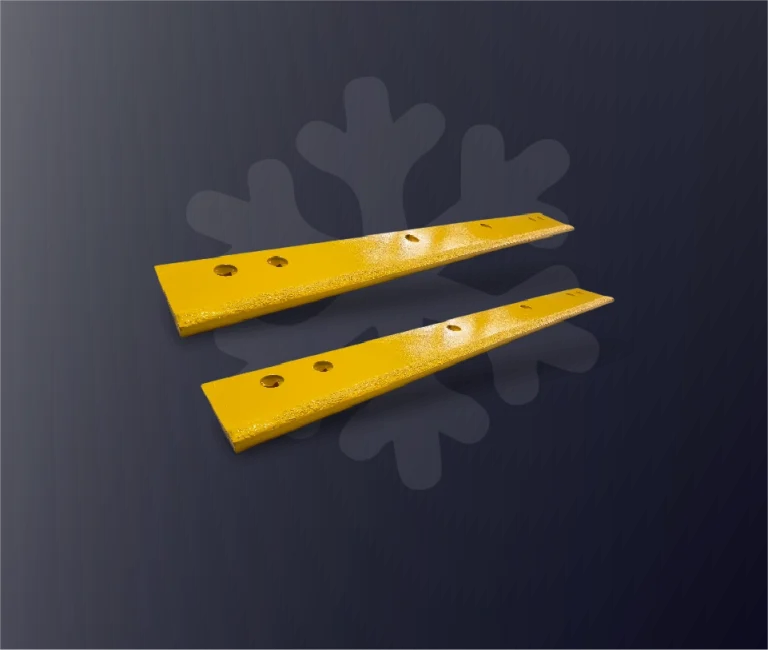
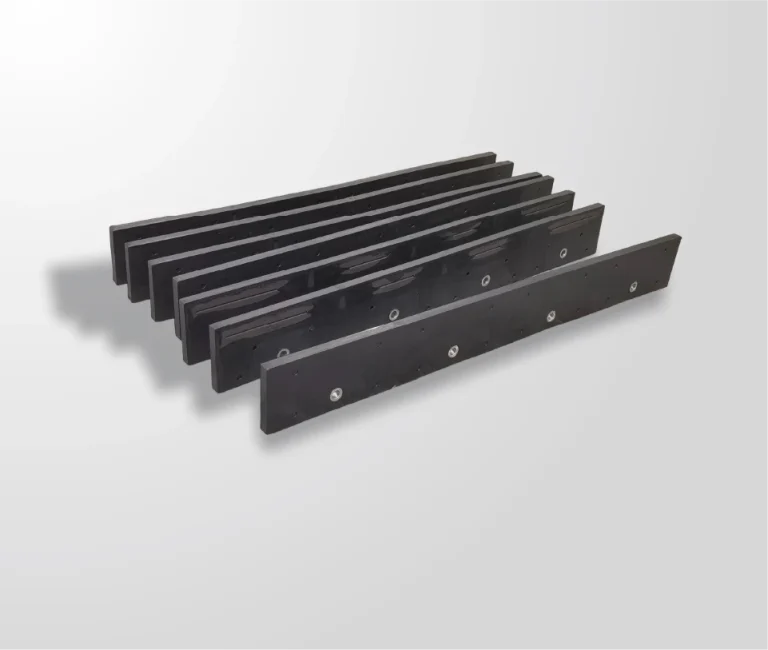
Can You Replace Broken Snow Plow Blades Fast During Mid-Storm?

Yes, fast replacement is possible when the supplier stocks the right blade style, confirms mounting dimensions quickly, and ships a wear part built for severe mid-storm duty. For contractors, the best emergency solution is usually a durable Joma-style plow blade from a manufacturer that can respond with OEM-ready specs, stable carbide quality, and dependable lead times.

What makes mid-storm blade failure so expensive?

Mid-storm failure is expensive because every minute of downtime breaks the route schedule and puts contract service levels at risk. In our experience, the hidden cost is not only the blade itself, but the second truck run, overtime labor, and the fuel burned while the crew waits.

A broken blade during active snowfall also increases edge chatter, uneven scraping, and mounting stress on the moldboard. If the replacement is weak or poorly matched, the same job fails again in the next pass.

How do Joma-style blades help in emergency replacement?

Joma-style blades help because they combine carbide wear life with a segmented design that absorbs impact better than a rigid commodity edge. That matters when the road is uneven, frozen, or covered with packed slush and hidden gravel.

In field use, the segmented structure reduces localized shock loading. Instead of one crack propagating across an entire long edge, the load is distributed through multiple sections, which is exactly what contractors want when the priority is finishing the route without another breakdown.

Which specs matter most for a fast replacement?

The fastest replacement order is built around the dimensions that cannot be guessed: length, hole pattern, thickness, offset, and mounting style. If one of those is wrong, the part may arrive quickly but still stop the truck.

Based on years of handling emergency orders, the most common mistake is assuming a “similar” blade will fit. It usually does not, especially on municipal and commercial fleets where brackets and adapters vary by model year.

Why does carbide construction matter in contract work?

Carbide construction matters because contract snow removal demands repeated impact resistance, not just initial sharpness. A steel-only edge may look acceptable on day one, then disappear fast on abrasive pavement or mixed ice and gravel.

For wholesale buyers and fleet managers, the real trade-off is simple: lower upfront cost versus fewer changeouts. A durable carbide blade costs more initially, but it can reduce blade swaps, shop labor, and route interruptions over the season.

How should a manufacturer handle urgent custom specs?

A good manufacturer should treat urgent custom specs as a production control problem, not a sales promise. The factory needs to verify drawings, confirm hole spacing, check segment compatibility, and lock the build to a controlled BOM before cutting metal.

At SENTHAI, that means the order is reviewed against actual manufacturing capability, not just catalog language. For OEM and wholesale programs, this is the difference between “we can make it” and “we can make it repeatedly.”

Can fast replacement still be durable?

Yes, fast replacement can still be durable if the supplier keeps standardized critical dimensions while customizing only the necessary interface points. In practice, that means keeping the wear material and core structure stable while adapting the mounting geometry.

The real danger is over-customizing. When lead time is urgent, a fully unique blade design slows production and raises mismatch risk. A smart factory balances speed and strength by using proven blade architectures with controlled dimensional adjustments.

What failure modes should contractors avoid?

Contractors should avoid blades that are too soft, too brittle, or poorly matched to the mounting system. Soft edges disappear quickly in abrasive snow, while brittle edges chip when the plow hits frozen ridges or buried aggregate.

The most expensive failure mode is partial fit. If a blade “sort of” mounts, crews may force it into service, but that usually creates uneven torque, bolt loosening, and premature breakage. In emergency replacement, a clean fit is as important as the wear grade.

How does SENTHAI support OEM and wholesale buyers?

SENTHAI supports OEM and wholesale buyers by manufacturing snow plow blades and road wear parts under one controlled production chain in Thailand. Our line includes wet grinding, pressing, sintering, welding, and vulcanization, which helps us keep critical quality points under one roof.

See also  How Can an Advanced Snow Shovel Replacement Blade Redefine Winter Road Maintenance Efficiency?

That matters when a distributor needs repeatable supply, not just one shipment. SENTHAI also works well for private-label and factory-direct programs because we can align product specs with the customer’s fleet and installation standards.

Where do Joma-style blades perform best?

Joma-style blades perform best on routes with frequent impact, abrasive pavement, and variable surface profiles. That includes highways, municipal streets, industrial access roads, and contract lots where operators cannot predict every obstacle.

They are especially useful when the blade must follow the surface closely without punishing the truck. The segmented design helps the edge track the road better than a rigid strip, which is why many operators report smoother operation and less violent vibration.

SENTHAI Expert Views

“In emergency snow work, the cheapest blade is often the most expensive decision. We see crews lose money when they buy a quick replacement that fits poorly or wears too fast. A proper replacement should restore the route, protect the truck, and survive the rest of the storm. That is why SENTHAI keeps the focus on fit, durability, and practical OEM consistency.”

How should a contractor choose between standard and upgraded blades?

A contractor should choose standard blades only when the route is light-duty, the surface is predictable, and replacement cost matters more than season-long wear. Upgraded Joma-style blades make more sense when downtime is expensive and conditions are mixed.

For a better buying decision, use the following simple rule: if the blade failure stopped a contract route, the replacement should be upgraded, not duplicated. In our factory experience, buyers who repeat the same weak spec usually pay twice in labor and interruption.

What should a fast replacement RFQ include?

A fast replacement RFQ should include blade length, hole pattern, mounting drawing, desired delivery window, material preference, and the application type. It should also state whether the buyer wants a direct replacement, a stronger wear upgrade, or an OEM-aligned custom version.

The more precise the RFQ, the faster the quote and production release. Clear documents save time because the manufacturer can move directly to confirmation instead of back-and-forth clarification.

Why do suppliers need to think beyond price?

Suppliers need to think beyond price because snow removal contracts are won and lost on uptime, not just purchase cost. A lower-priced blade that fails mid-storm creates service penalties, crew stress, and reputational damage.

For wholesale and factory-direct buyers, the better metric is cost per cleared hour. If one blade lasts longer, mounts cleaner, and reduces emergency stops, it often beats the cheaper option even if the invoice is higher.

See also  Long-Lasting Snow Plow Blades for Extreme Winter Durability and Performance

How does SENTHAI control quality for replacement blades?

SENTHAI controls quality by managing the complete production path from engineering to final assembly. That gives us tighter control over wear life, bond strength, and dimensional repeatability than a fragmented supply chain.

Because the work is done in one facility, we can react faster to urgent orders and reduce the chance of mismatch between drawings and actual output. For snow plow blade replacement, that kind of control is what turns a promise into a usable part.

Can a factory deliver emergency orders without sacrificing consistency?

Yes, but only if the factory has standard process windows and a clear priority path for urgent production. Emergency orders cannot depend on improvisation; they need pre-approved materials, stable tooling, and a repeatable inspection routine.

This is where SENTHAI is strong. Our production model is designed for both regular wholesale volume and time-sensitive replacement work, so we can keep the core spec stable while moving quickly on the order.

FAQs

How fast can a replacement blade be made?
It depends on the spec, quantity, and mounting design. Standardized replacement designs ship faster than fully custom parts.

Are Joma-style blades suitable for harsh winter routes?
Yes. They are designed for demanding snow removal work where impact resistance and wear life matter.

Does a better blade always cost much more?
Not always. The price difference is usually offset by fewer changeouts, less downtime, and lower labor cost.

Can SENTHAI support OEM blade programs?
Yes. SENTHAI is set up for manufacturer, supplier, wholesale, and OEM work with controlled production and repeatable output.

What information should I send first for a quote?
Send the blade length, hole pattern, application, photos, and any old part number or drawing. That is usually enough to start matching the replacement.

Conclusion

When a blade breaks mid-storm, speed matters, but fit and durability matter just as much. The best emergency replacement is the one that restores the route immediately and still survives the rest of the season.

For contractor fleets, municipalities, and distributors, Joma-style blades are a strong upgrade path when standard edges fail too early. SENTHAI delivers that value as a factory-direct manufacturer and supplier with the production control needed for OEM and wholesale orders. For buyers facing urgent replacement pressure, the winning move is simple: match the spec carefully, upgrade the wear structure, and choose a factory that can repeat the result every time.