




Building a Mechanical Ice-Control Program: Equipment, Blades, and Routes
Ice control is a system, not a blade. A fracture-capable edge on the wrong route, run at the wrong time, is an expensive mistake; the same edge inside a planned program, with defined goals,…
Ice control is a system, not a blade. A fracture-capable edge on the wrong route, run at the wrong time, is an expensive mistake; the same edge inside a planned program, with defined goals, configured equipment, and measured routes, is a cost-reduction tool. The program is the difference.
This article covers how to build a mechanical ice-control program: the goals and KPIs to set, the equipment and blade configuration, the routing for mechanical ice breaking, and how to monitor and adjust mid-season.
Ice control is a system, not a blade
The temptation is to buy the tool and assume the program. The reality is that a mechanical ice-breaking program has five moving parts that have to work together: the goals, the equipment, the blades, the routes, and the measurement. Change one, and the others have to adjust.
The program starts with the definition: what is the operation trying to achieve? Fewer passes, less chemical, faster service, or all three? The goals set the KPIs, the KPIs set the routes, and the routes set the equipment. A program that starts with the blade has no foundation; one that starts with the goals has a direction.
The same logic applies whether the operator is a DOT, a municipality, or a large contractor. The scale changes, the structure does not.
The program also needs an owner. A mechanical ice-control program that no one owns is a collection of good intentions: the goals are written, the equipment is bought, and the routes are planned, but nothing is measured or adjusted. The owner is the person who collects the KPIs, runs the mid-season review, and carries the evidence into the next season’s plan. Without the owner, the program is a purchase with a report.
The owner also manages the evidence file: the baseline, the per-event records, the chemical and service data, and the adjustment log. The file is what turns the program from an experiment into a management system, and it is the same file the budget and the environmental reporting draw from.
What goals and KPIs should the program set?
The goals should be measurable and tied to the operation’s real constraints:
| KPI | What it measures |
|---|---|
| Passes per storm per corridor | Mechanical efficiency |
| Chemical use per route | Cost and environmental impact |
| Service time per corridor | Response |
| Edge wear and changeouts | Equipment cost |
| Service quality | The clearance standard that makes the other KPIs meaningful |
The KPI set should be small enough to collect and complete enough to decide. A program that measures passes, chemical, and service quality has the three numbers that describe its performance.
The goals should also be set before the season, with the baseline recorded: the same KPIs from the previous season are the comparison for the program’s result.
The baseline is the credibility of the program. A claim that mechanical ice breaking cut chemical use by a percentage is only meaningful against the previous season’s measured number, and a program without a baseline is a program without a result. The baseline should be collected from the same records the KPI set uses, so the comparison is apples to apples.
The goals should also be reviewed with the stakeholders: the budget office for the cost case, the environmental office for the chemical case, and the service managers for the service case. A program whose goals are shared is a program whose results are supported; one whose goals live in one department is a program whose evidence lives there too.
Equipment and blade configuration
The equipment configuration follows the corridor plan:
- Identify the corridors where mechanical ice breaking applies: bonded crust, thick pack, and high chemical use;
- Assign the fracture-capable edge, such as SENTHAI’s packed ice carbide kit, to those corridors;
- Match the section sizes and the mounting to the plows;
- Configure the spreader and the chemical policy around the mechanical pass, so the two tools work as one sequence;
- Stage the spare edges for the corridors that fail most often.
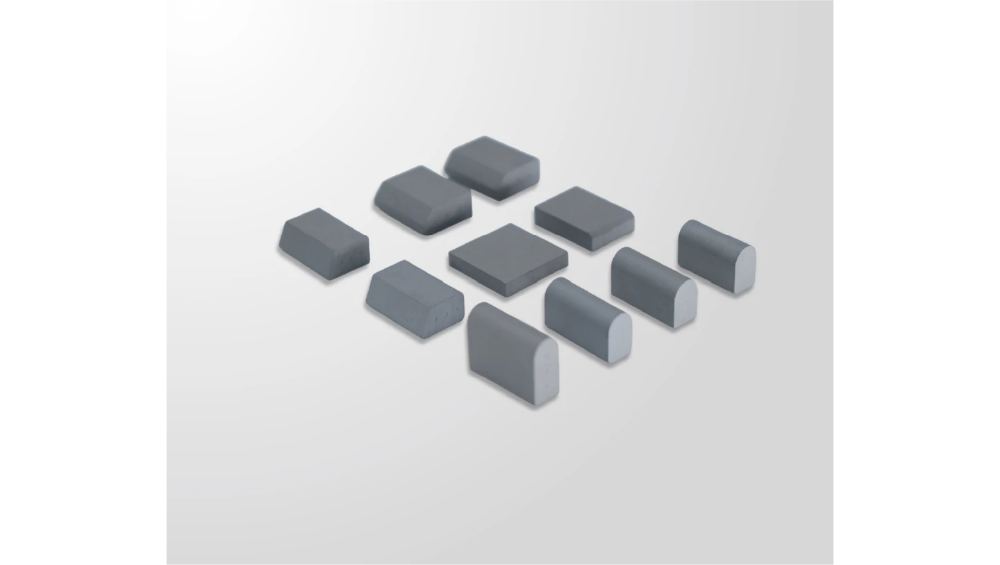
SENTHAI’s packed ice carbide kit page describes the dome-head and isolated-insert construction designed for this duty. The equipment configuration confirms it against the fleet’s plows and routes.
Routing for mechanical ice breaking
The routing is where the mechanical pass becomes a plan:
- Rank the corridors by ice severity and consequence;
- Sequence the mechanical pass at the point in the storm where the ice has bonded but is still breakable;
- Follow the mechanical pass with the reduced chemical application on the exposed pavement;
- Assign the backup units for the critical corridors;
- Build the refreeze plan for the corridors that ice again overnight.
The routing and the chemical policy are one sequence: mechanical fracture, mechanical removal, then chemical finish. The program’s salt-reduction result depends on that sequence being followed, which is why the route plan documents it.
The routing should also be rehearsed before the season. A mechanical pass that works in theory and fails in the first storm because the crew did not know the sequence is a planning failure, not an equipment failure. The pre-season rehearsal, on the actual corridors with the actual units, is where the sequence becomes a crew habit.
Who should own the program? The operations or maintenance lead with authority over the routes and the budget, supported by the crew and the manufacturer’s engineering input. The owner runs the review and keeps the evidence file.
How do you monitor and adjust mid-season?
The program has to be monitored, not assumed:
- Collect the KPIs per corridor after each event;
- Review the chemical use against the baseline and the target;
- Check the service quality, because a mechanical pass that saves chemical but misses the standard is a failure;
- Inspect the edges and the changeouts, because equipment wear affects the result;
- Adjust the routing, the timing, or the configuration with the data.
The mid-season review is the control loop: the program improves through the season instead of waiting for the next winter. The adjustment is the point of the monitoring, and the record is what makes the adjustment evidence-based.
The review should also compare the actual results against the baseline and the target, corridor by corridor, and explain the gaps. A corridor that did not meet the chemical target may need a different timing, a different blade configuration, or a different crew habit, and the explanation is what the next adjustment is built on. The gap analysis is the substance of the mid-season review.
The season-end review then closes the program: the full-season KPIs, the adjusted plan, and the lessons become the next season’s baseline. The program compounds, which is the point of building it as a system rather than a purchase.
The closing review should also decide what changes: the equipment, the routing, or the goals themselves. A target that was unrealistic, or a corridor that needs a different configuration, is a finding for the plan, not a failure of the program, and the written decision is what the next season starts from.
The written decision closes the loop that the next baseline opens.
The loop is the program.
Design your program with a partner
The program design benefits from the manufacturer’s engineering input, because the configuration, the section plan, and the expected behavior are product-specific. SENTHAI’s ice-breaking kit reference is the product reference, and the contact page is where the program conversation starts.
Send the corridor list, the baseline KPIs, and the equipment details through the contact page and ask for the configuration and the trial terms. The program belongs to the operator; the partner confirms the equipment and the evidence.
Expert view — SENTHAI engineering team: “The program is the system; the blade is one member. Goals, routing, and measurement make the member work.”
Frequently Asked Questions
What is a mechanical ice-control program? A planned system of goals, equipment, blades, routes, and measurement, where mechanical ice breaking and chemical treatment work as one sequence.
What KPIs should the program track? Passes per storm, chemical use per route, service time, edge wear, and service quality. The set should be small and complete.
How do I configure the equipment? Assign the fracture-capable edge to the ice-prone corridors, match the sections to the plows, coordinate the spreader policy, and stage the spares.
When should the mechanical pass run? At the point in the storm where the ice has bonded but is still breakable, followed by the reduced chemical application on the exposed pavement.
How do I monitor the program? Collect the KPIs per corridor after each event, review against the baseline, check service quality, inspect the edges, and adjust with the data.
Does SENTHAI support program design? SENTHAI’s engineering team can confirm the configuration and the trial terms for the program, based on the corridor list and the equipment details.
What is the difference between this program and a blade purchase? The program includes the goals, the routing, and the measurement; the blade purchase is one component. The program is what makes the blade work.
Sources
Related articles
 Best Snow Plow Blade Family for Your Fleet: Top 5 ScenariosKnowledge
 Top 10 Snow Plow Blade Types for Winter Fleets (Ranked by Duty Fit)Knowledge
 Top 5 Best Carbide Blade Configurations for Highway PlowingKnowledge
 Best Snow Plow Blade Materials Ranked: Steel vs Carbide vs Cladding vs Rubber-CarbideKnowledge