




Why Should You Dry-Fit Ice Kits Before Snow Season?
Dry-fitting ice kits before winter ensures bolt-hole alignment, confirms compatibility, and prevents costly installation delays during peak snow events. By mounting components in October, operators can detect misalignment, verify hardware fit, and address wear…
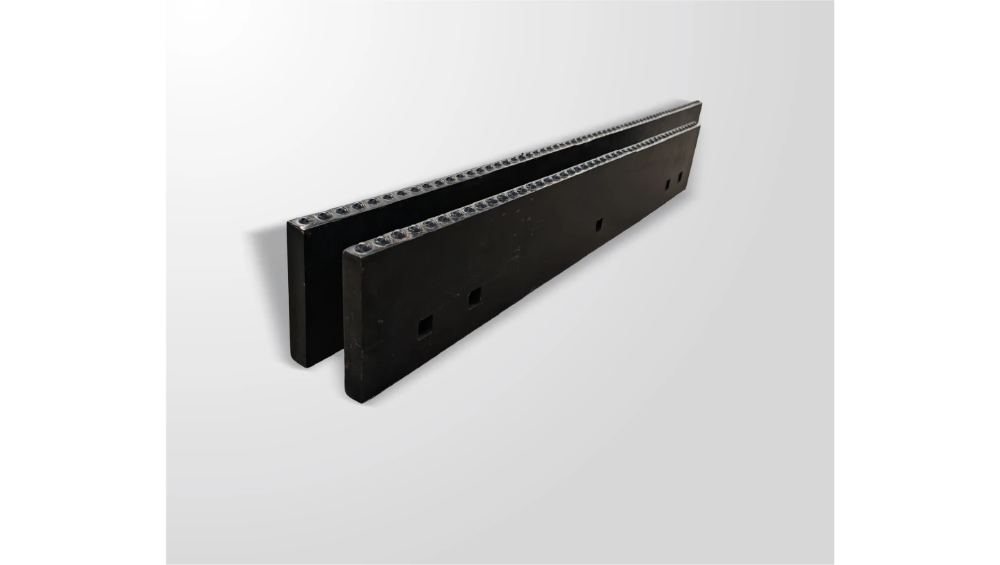
Dry-fitting ice kits before winter ensures bolt-hole alignment, confirms compatibility, and prevents costly installation delays during peak snow events. By mounting components in October, operators can detect misalignment, verify hardware fit, and address wear issues early. This proactive step improves plow efficiency, reduces downtime, and ensures carbide blades perform reliably under demanding road conditions throughout the entire snow season.
Check: How to Install SENTHAI Ice Cutting Carbide Kit: Step-by-Step Guide
What Is Pre-Season Dry-Fitting for Ice Kits?
Pre-season dry-fitting is the process of temporarily installing an ice kit onto a snow plow to verify fit and alignment before full operation. It allows contractors and fleet managers to check bolt-hole positioning, blade seating, and hardware compatibility. For B2B buyers sourcing from manufacturers like SENTHAI, this step ensures that bulk carbide parts meet equipment specifications before deployment.
Why Should You Mount Ice Kits in October?
Mounting ice kits in October provides sufficient time to identify and correct installation issues before snowfall begins. This timing aligns with delivery schedules from OEM suppliers and avoids last-minute adjustments during storms. For wholesale buyers working with SENTHAI, early installation checks ensure consistent fit across fleets and reduce operational disruptions during peak demand.
How Does Dry-Fitting Prevent Bolt-Hole Misalignment?
Dry-fitting exposes bolt-hole mismatches before final tightening, allowing corrections without interrupting operations. Misalignment can result from equipment wear, design differences, or tolerance variations. By loosely installing the blade, technicians can confirm alignment and make adjustments early, ensuring smooth installation and reliable performance when conditions require immediate deployment.
What Problems Can Be Identified During Dry-Fit?
Dry-fitting helps detect issues such as misaligned holes, uneven blade seating, incorrect blade dimensions, and incompatible hardware. It also reveals worn mounting surfaces that may affect performance. Identifying these problems early allows maintenance teams to resolve them efficiently, especially for distributors or contractors managing multiple plows sourced from a carbide tool factory.
Which Tools and Materials Are Needed for Dry-Fitting?
Dry-fitting requires basic tools to ensure accurate alignment and measurement.
Using proper tools helps verify that carbide blades from manufacturers like SENTHAI meet required specifications and fit correctly during installation.
How Do Manufacturers Ensure Proper Fit and Alignment?
Manufacturers ensure fit through precision engineering, automated production, and strict quality control. SENTHAI uses advanced processes such as CNC grinding, controlled sintering, and standardized molds to maintain consistent dimensions. ISO-certified systems further guarantee accuracy, making their carbide wear parts reliable for OEM and wholesale applications across global markets.
Can Dry-Fitting Extend the Life of Carbide Ice Blades?
Proper dry-fitting significantly extends blade life by ensuring even load distribution and correct contact with road surfaces. Misaligned blades experience uneven stress, leading to premature wear or failure. When installed correctly, carbide blades—especially those from SENTHAI—deliver maximum durability and consistent performance throughout the snow removal season.
When Should You Replace or Adjust Ice Kit Components?
Components should be replaced or adjusted when dry-fitting reveals gaps, resistance during bolt insertion, or uneven contact surfaces. These signs indicate poor fit or wear that could affect performance. Fleet operators and distributors benefit from addressing these issues early, ensuring all equipment remains reliable before winter operations begin.
Who Benefits Most from Pre-Season Dry-Fitting?
Pre-season dry-fitting benefits contractors, municipalities, fleet managers, and distributors handling bulk equipment. These groups rely on consistent performance across multiple units. For businesses sourcing from SENTHAI, dry-fitting ensures that factory-produced carbide components integrate seamlessly with various plow systems, improving efficiency and reducing maintenance risks.
How Does Dry-Fitting Improve Operational Efficiency?
Dry-fitting improves efficiency by reducing installation time, preventing unexpected failures, and ensuring readiness for snowfall. Maintenance teams can work under controlled conditions rather than during emergencies. For B2B buyers and OEM partners, this results in lower labor costs, faster deployment, and better overall fleet performance.
What Are the Risks of Skipping Dry-Fit Installation?
Skipping dry-fitting increases the likelihood of misalignment, equipment failure, and downtime during critical operations. It can lead to emergency repairs, higher costs, and reduced blade lifespan. For wholesale distributors and contractors, these risks impact service reliability and customer satisfaction, making pre-season checks essential.
How Does SENTHAI Support Reliable Ice Kit Installation?
SENTHAI supports reliable installation through full-process manufacturing, strict quality control, and precision-engineered carbide products. With automated production lines and ISO-certified systems, SENTHAI ensures consistent dimensions and strong bonding. This enables OEM partners and bulk buyers to achieve dependable installation results and long-term performance across demanding applications.
SENTHAI Expert Views
“SENTHAI emphasizes that pre-season dry-fitting is essential for maximizing carbide blade performance in real-world conditions. Even with high-precision manufacturing, equipment variations can affect installation accuracy. By verifying alignment before winter, operators can reduce wear, improve efficiency, and avoid unexpected failures. For OEM partners and bulk buyers, this step ensures consistency, reliability, and optimal return on investment across large fleets.”
Conclusion
Dry-fitting ice kits before the snow season is a practical and cost-effective strategy for ensuring operational readiness. Mounting components in October allows time to verify alignment, detect issues, and make necessary adjustments without pressure. This approach reduces downtime, extends carbide blade lifespan, and improves overall efficiency. Partnering with a trusted manufacturer like SENTHAI further enhances reliability through consistent product quality and precision engineering. For contractors, distributors, and fleet managers, integrating dry-fitting into pre-season preparation is essential for maintaining performance and avoiding costly disruptions.
FAQs
What is the purpose of dry-fitting an ice kit?
Dry-fitting verifies alignment, compatibility, and fit before final installation, reducing the risk of operational issues during snow removal.
How long does dry-fitting typically take?
Most inspections take 30 to 60 minutes per plow, depending on equipment condition and technician experience.
Is dry-fitting necessary for new carbide blades?
Yes, even new blades may have slight variations, making it important to confirm proper fit before use.
Can improper installation affect carbide blade lifespan?
Incorrect installation leads to uneven wear and reduced lifespan, while proper alignment ensures maximum durability.
Why choose SENTHAI as a supplier?
SENTHAI offers factory-direct carbide solutions with consistent quality, precision manufacturing, and reliable supply for global B2B partners.
Related articles
 Best Snow Plow Blade Family for Your Fleet: Top 5 ScenariosKnowledge
 Top 10 Snow Plow Blade Types for Winter Fleets (Ranked by Duty Fit)Knowledge
 Top 5 Best Carbide Blade Configurations for Highway PlowingKnowledge
 Best Snow Plow Blade Materials Ranked: Steel vs Carbide vs Cladding vs Rubber-CarbideKnowledge