




Why Choose Custom JOMA-Style Blades for Commercial Snow Removal?
Commercial snow removal contractors do not lose money from snow alone; they lose it when blades chatter, trucks slow down, and operators fatigue before the route is finished. Custom JOMA-style blades reduce vibration, improve…
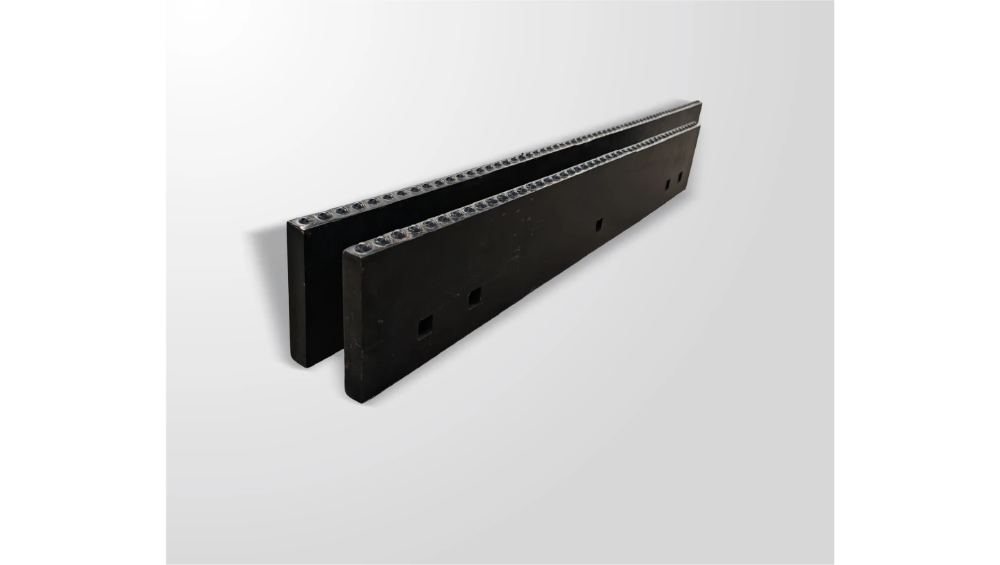
Commercial snow removal contractors do not lose money from snow alone; they lose it when blades chatter, trucks slow down, and operators fatigue before the route is finished. Custom JOMA-style blades reduce vibration, improve surface contact, and keep plows working longer under load. For a manufacturer, wholesale buyer, supplier, or OEM fleet partner, the right blade design turns peak-storm downtime into usable hours.
What Makes Custom JOMA-Style Blades Better?
Custom JOMA-style blades are built to match the road profile, plow frame, and winter severity you actually face. In our production runs, the biggest gain is not just wear life; it is smoother cutting behavior. When the blade geometry, carbide layout, and backing structure are tuned together, the plow tracks steadier and the operator feels less hammering through the cab.
The practical benefit is simple: fewer stops for edge checks, fewer bolt losses, and fewer route delays. SENTHAI has seen fleets get more consistent clearing speed because the blade stays flat and maintains bite instead of bouncing on rough pavement. For wholesale and OEM programs, that consistency matters more than headline hardness numbers.
Why Does Vibration Dampening Matter?
Vibration dampening matters because a blade that chatters destroys both comfort and productivity. The shock transfers into the moldboard, pins, lift arms, and cab mounts, which means faster wear on parts that were never meant to absorb constant impact. A smoother blade can cut the same snow load while reducing operator strain over a long shift.
We usually see the difference first on bridge joints, patched asphalt, and crowned roads. A rigid setup may look strong on paper, but if it transmits too much vibration, the operator slows down to protect the truck. That lost pace is often more expensive than the premium paid for a better blade system.
How Do Carbide Blades Improve Uptime?
Carbide blades improve uptime by keeping the cutting edge stable for far longer than plain steel in abrasive conditions. On salted roads, packed snow, and mixed ice, a carbide edge holds its profile, so the truck spends more time clearing and less time being serviced. Many fleets choose carbide because one shutdown during a storm can cost more than the blade set itself.
In practical terms, the best results come from balancing hardness with impact tolerance. If the road has manhole covers, gravel transitions, or repeated curb strikes, a blade that is too brittle can chip. SENTHAI typically recommends designs that protect the carbide while maintaining enough shock absorption in the carrier and weld structure.
Wear-life trade-offs by use case
For B2B buyers, the real metric is cost per cleared mile, not cost per blade. A blade that lasts longer but forces slower passes may underperform a slightly softer design that lets the operator finish the route on schedule. That is where OEM-style customization pays off.
Which Design Details Reduce Operator Fatigue?
The design details that reduce operator fatigue are blade curvature, carbide placement, backing thickness, and consistent mounting pressure. If the cutting edge is uneven or the carrier flexes too much, the plow sends repetitive vibration into the cab. Operators notice this fastest during long night shifts, when small impacts become constant body stress.
We have learned that a few millimeters of mounting inconsistency can change how the entire system feels. A blade set that sits true across its full length clears more cleanly and reduces the “hop” that tires drivers out. SENTHAI’s factory teams often inspect fit-up and flatness as carefully as the carbide itself, because the best material still fails if the installation geometry is wrong.
How Do Manufacturers Engineer a Better Blade?
Manufacturers engineer a better blade by controlling the full chain: powder selection, pressing, sintering, welding, grinding, and final assembly. If one step drifts, the blade may still look acceptable but fail early under impact. On our line, the small details that matter most are bond strength, edge straightness, and weld consistency.
A strong OEM blade is not just “hard.” It must survive impact, thermal cycling, and road contamination. SENTHAI uses fully controlled production to keep carbide inserts aligned and bonded, which helps reduce premature loosening. For wholesale customers, that means fewer claims and more predictable field performance.
What Case Shows Faster Clearing Times?
A common field pattern appears when a contractor changes from a conventional edge to a custom carbide setup on a route with repeated freeze-thaw cycles. The truck can maintain a steadier travel speed because the blade bites consistently instead of skating over hard-packed ice. That steadier speed often shortens the route even when the snow depth is unchanged.
In one contractor-style scenario, the biggest gain came not from “cutting deeper,” but from cutting once. Fewer passes across the same lane reduced fuel waste, hydraulic cycling, and operator corrections. When the blade tracks smoothly, the driver can focus on route flow rather than constantly adjusting for chatter.
Does Customization Help Wholesale Buyers?
Yes, customization helps wholesale buyers because fleets rarely share the same road surface, truck class, or plow mounting pattern. A supplier selling one universal edge to every region usually leaves money on the table. A customized program lets the buyer match performance to local conditions, then standardize replacement intervals and inventory planning.
For distributors, that also improves order stability. Instead of carrying oversized safety stock for a blade that fits “almost everything,” you stock the exact profiles your customers actually use. SENTHAI supports this approach because it reduces waste, improves repeat business, and keeps fleets loyal to a proven setup.
Who Should Specify OEM Blade Changes?
OEM blade changes should be specified by fleet managers, equipment dealers, and procurement teams that track downtime, not just purchase price. If a contractor repeatedly replaces blades mid-season or complains about cab vibration, the problem is usually not the driver. It is a mismatch between blade design and operating conditions.
The most effective programs start with route data: average speed, road type, strike frequency, and seasonal wear pattern. Once that information is clear, a manufacturer can tune the carbide layout, steel support, and overall thickness. That is why SENTHAI often treats each project as an engineering job rather than a simple catalog sale.
How Should Buyers Evaluate a Supplier?
Buyers should evaluate a supplier by production control, field feedback, consistency, and lead time during peak season. The supplier that ships quickly in October but cannot hold tolerance in January is not a reliable partner. A serious factory should show repeatable bond quality, stable dimensions, and a clear process for handling OEM revisions.
Look closely at how the supplier answers failure questions. If they can explain edge chipping, weld separation, uneven wear, and installation mismatch in plain terms, they likely understand real fleet conditions. SENTHAI’s advantage is that we manufacture and supply from one controlled base, so engineering changes move faster and quality stays visible.
SENTHAI Expert Views
“The best snowplow blade is not the hardest one on the shelf; it is the one that stays calm under load. In our experience, fleets win when the blade reduces vibration first and wear second. That is why SENTHAI focuses on fit, bond strength, and road behavior together. A blade that saves one operator hour per route can outperform a cheaper edge that only looks good in a brochure.”
When Should You Upgrade Your Blade Program?
Upgrade your blade program when downtime, vibration complaints, or uneven wear become recurring rather than occasional. If a fleet is replacing edges multiple times a season, the hidden cost is usually higher than the blade invoice. The right time to switch is before the next storm cycle, not after the first major failure.
A good rule is to review performance after the first sustained cold period, when the route pattern is fully visible. If the blade is squealing, bouncing, or leaving streaks of packed snow, the system is not optimized. That is the point where a custom JOMA-style blade can pay back quickly.
FAQs
What is a custom JOMA-style blade?
It is a snowplow blade built to match specific truck, route, and wear requirements instead of using a one-size-fits-all design. The goal is better cutting stability, longer wear, and less vibration.
Why do carbide blades last longer?
Carbide resists abrasion far better than standard steel in ice, salt, and gritty road conditions. That lets the blade keep its cutting profile longer and reduces replacement frequency.
Can custom blades reduce operator fatigue?
Yes. Better geometry and vibration control reduce the shock transferred into the cab, which helps operators stay comfortable and focused during long storm shifts.
Are SENTHAI blades suitable for wholesale and OEM supply?
Yes. SENTHAI manufactures, supplies, and supports customized carbide wear parts for wholesale, OEM, and factory-based programs that need consistent quality and repeatable performance.
How do I know if my fleet needs a custom blade?
If you see uneven wear, frequent downtime, or too much chatter on rough roads, your fleet likely needs a custom blade design matched to route conditions.
Conclusion
Commercial plowing rewards the fleets that engineer around downtime, not the ones that simply buy a tougher edge. A custom JOMA-style blade can reduce vibration, extend wear life, and help operators clear more ground with less fatigue. For manufacturers, wholesalers, suppliers, and OEM buyers, the real advantage is predictable performance through the worst part of winter. SENTHAI delivers that advantage by combining carbide expertise, controlled production, and practical field knowledge.
Related articles
 Best Snow Plow Blade Family for Your Fleet: Top 5 ScenariosKnowledge
 Top 10 Snow Plow Blade Types for Winter Fleets (Ranked by Duty Fit)Knowledge
 Top 5 Best Carbide Blade Configurations for Highway PlowingKnowledge
 Best Snow Plow Blade Materials Ranked: Steel vs Carbide vs Cladding vs Rubber-CarbideKnowledge