




Corrosion-Resistant Snow Blades: The Definitive Guide for Durability and Performance
Corrosion-resistant snow blades are engineered to survive salt exposure, de-icing chemicals, and constant abrasion — and for fleets that rely on road salt, they deliver up to 30% longer service life and meaningful fuel…
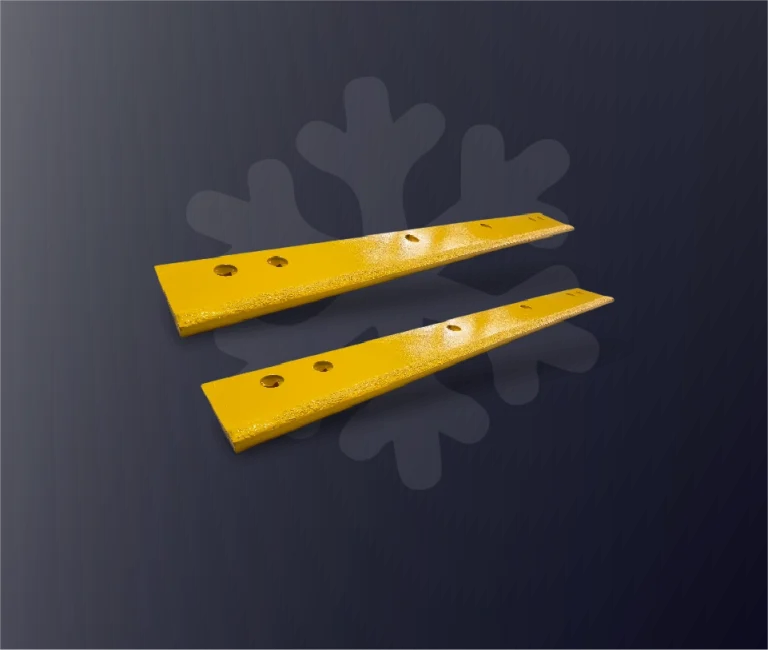
Corrosion-resistant snow blades are engineered to survive salt exposure, de-icing chemicals, and constant abrasion — and for fleets that rely on road salt, they deliver up to 30% longer service life and meaningful fuel savings versus unprotected carbon steel. Coatings and carbide reinforcement are the two technologies doing most of the work.
(Last modified date: September 2, 2026)
Quick definition: Modern winter maintenance requires efficiency, durability, and environmental responsibility.
Key Takeaways
- Coated and carbide-reinforced designs improve blade life by up to 40% versus unprotected steel.
- Salt-dependent regions see the greatest ROI from rust-, pitting-, and degradation-resistant blades.
- Carbide edges protect the structural core from erosion; coatings block saltwater and chemicals.
- Pairing corrosion resistance with carbide wear life cuts downtime and replacement cost per season.
Market Trends and Data
Modern winter maintenance requires efficiency, durability, and environmental responsibility. Market reports show corrosion-resistant snow blades rapidly replacing traditional carbon steel models as municipalities and contractors seek equipment that reduces downtime and maintenance. Coated and carbide-reinforced designs now dominate, improving blade life by up to 40% and cutting replacement costs. Regions that depend heavily on road salt and de-icing chemicals report the greatest ROI. See how SENTHAI guarantees 100% virgin carbide for the quality baseline.
Top Products and Services
| Product Type | Key Advantages | Use Cases |
|---|---|---|
| Carbon-stainless hybrid blades | Excellent corrosion resistance and durability | Municipal and regional fleets |
| Carbide-edge snow blades | Superior wear life on abrasive roads | Heavy-duty snowplow operations |
| I.C.E. blades with coatings | Balanced hardness and flexibility | Mixed-condition snow removal |
| JOMA-style blades | Proven modular performance | Versatile fleet applications |
| Carbide insert tips | Enhanced cutting edge retention | Retrofit for existing equipment |
Competitor Comparison Matrix
| Blade Material | Coating Type | Durability | Edge Retention | Cost Efficiency |
|---|---|---|---|---|
| Heat-treated steel | Anti-rust coating | Good | High | Moderate |
| Carbide-infused alloy | Multi-layer protective layer | Excellent | Very high | Long-term savings |
| Stainless steel | Natural corrosion resistance | Moderate | Medium | Balanced |
| Ceramic composite | Chemical barrier | Excellent | Moderate | Premium pricing |
Core Technology Analysis
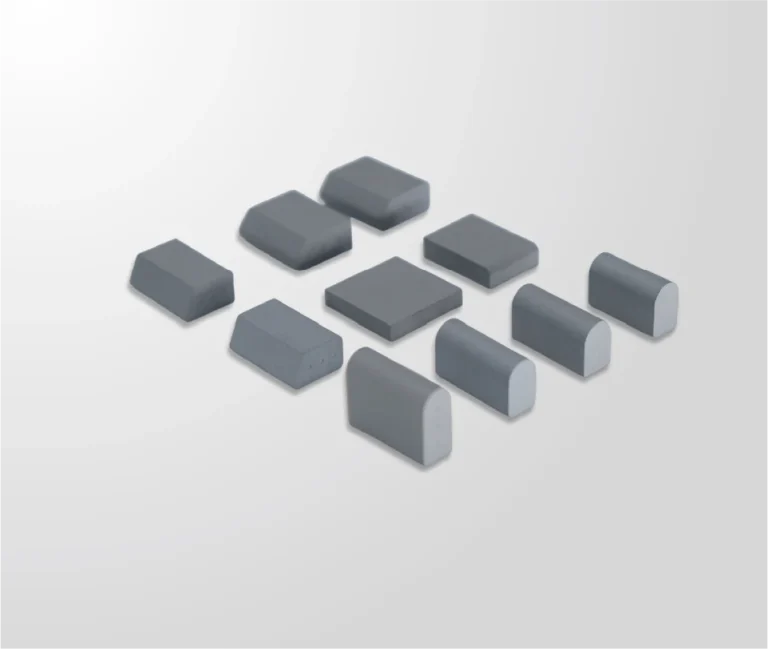
Corrosion resistance comes from the interplay of metallurgy, surface chemistry, and design precision. Alloy compositions combining chromium, nickel, and carbon resist oxidation and mechanical wear. Protective coatings such as powder-bonded polymers or nickel-chrome plating add a defense line against saltwater and de-icing chemicals. Carbide edges, especially in bonded or replaceable designs, protect the structural core from erosion. Consistent grinding accuracy and heat treatment keep the edge sharp far longer than unprotected steel. See city winter maintenance strategies for how agencies deploy these blades.
Real User Cases and ROI
Municipal fleets switching to corrosion-resistant carbide blades report up to 30% longer service life and 10–15% lower fuel costs from improved scraping efficiency. A logistics operator in northern Minnesota sustained consistent cutting sharpness across three seasons with coated stainless blades. Contractors managing mixed routes report fewer mid-season replacements and less rust-related hardware failure. See how Western Unimount plows tackle snow removal for a fleet-fit view.
Buying Guide: Choosing the Right Blade
- Assess salt exposure: coastal and heavy-salt regions should prioritize coated or stainless-backed designs.
- Match edge material to surface: carbide for abrasive ice and gravel, composite for sensitive pavements.
- Verify coating durability and re-coating options before purchase.
- Confirm fitment, bolt pattern, and reversible-edge design to extend service life.
Future Trend Forecast
Expect more multi-layer coatings, hybrid stainless-carbide constructions, and corrosion-testing documentation in RFP responses as agencies standardize on salt-tolerant wear parts.
FAQs
How do corrosion-resistant blades last longer than carbon steel?
They resist rust, pitting, and chemical attack from salt while carbide edges handle abrasion, so the blade keeps its cutting profile much longer.
In salt-heavy regions, yes — fleets report up to 30% longer service life and lower replacement and fuel costs.
Can I retrofit my existing plow with corrosion-resistant parts?
Yes. Carbide insert tips and coated edges retrofit most standard moldboards.
Do corrosion-resistant blades protect sensitive pavement?
Edge material matters more than corrosion resistance for pavement protection; pair a coated base with polyurethane or rubber edges for sensitive surfaces.
Related Articles
Official Resources
- SENTHAI — Carbide Snow Plow Blades
- SENTHAI — Replaceable Carbide Inserts
- SENTHAI — Contact for Salt-Region Recommendations
References
- Market data on corrosion-resistant snow blade adoption, 2025–2026.
- SENTHAI fleet case data from salt-heavy North American regions.
Related articles
 Best Snow Plow Blade Family for Your Fleet: Top 5 ScenariosKnowledge
 Top 10 Snow Plow Blade Types for Winter Fleets (Ranked by Duty Fit)Knowledge
 Top 5 Best Carbide Blade Configurations for Highway PlowingKnowledge
 Best Snow Plow Blade Materials Ranked: Steel vs Carbide vs Cladding vs Rubber-CarbideKnowledge