




Carbide Inserts for Lathe: How They Transform Machining Efficiency and Precision
Carbide inserts for lathes are replaceable cutting tips that dramatically improve machining efficiency — they index or rotate instead of requiring regrinding, hold precision across high-speed cuts, and deliver consistent surface quality across stainless…
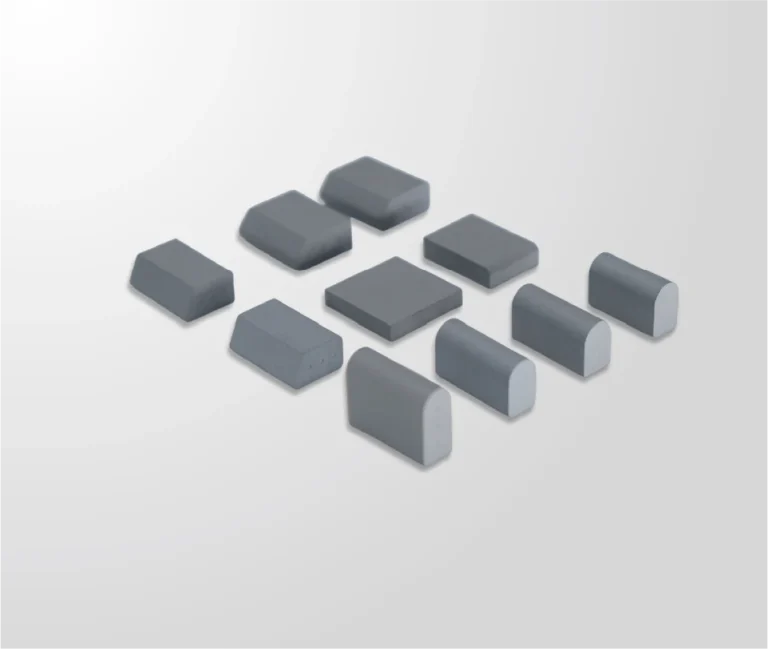
Carbide inserts for lathes are replaceable cutting tips that dramatically improve machining efficiency — they index or rotate instead of requiring regrinding, hold precision across high-speed cuts, and deliver consistent surface quality across stainless steel, cast iron, titanium, and aluminum. Their tungsten carbide–cobalt structure and advanced coatings are the reason modern CNC machining depends on them.
(Last modified date: September 2, 2026)
Quick definition: A carbide insert is a replaceable cutting tip used in turning, milling, or boring operations.
Key Takeaways
- Indexable carbide inserts eliminate regrinding downtime and keep lathe operations running.
- Tungsten carbide delivers hardness; cobalt binder adds toughness and crack resistance.
- TiAlN, TiCN, and CVD diamond coatings extend tool life against oxidation and heat.
- Predictable wear and low maintenance make inserts ideal for Industry 4.0 CNC cells.
What Are Carbide Inserts for Lathe?
A carbide insert is a replaceable cutting tip used in turning, milling, or boring operations. Unlike high-speed steel tools that must be reground or reshaped, carbide inserts are easily indexed, replaced, or rotated, keeping lathe downtime to a minimum. Their geometry, coating, and grade determine how effectively they cut materials such as stainless steel, cast iron, titanium, and aluminum. When mounted on a tool holder, inserts create precision cuts with minimal vibration, helping operators maintain dimensional accuracy and smoother surface finishes without constant tool maintenance. See how to choose a long-service-life carbide insert.
Composition and Core Technology
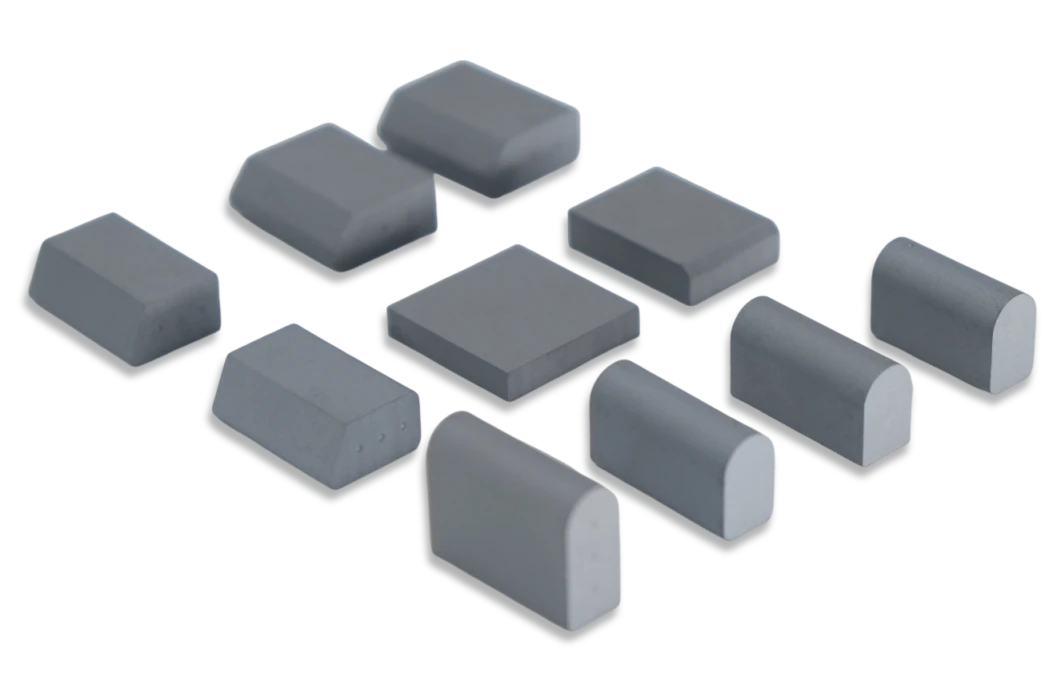
The performance advantages come from a composite structure: tungsten carbide offers outstanding hardness, while cobalt acts as the binder providing toughness and crack resistance. Advanced coatings such as TiAlN, TiCN, or CVD diamond extend tool life by protecting against oxidation and heat buildup. High-pressure sintering and precision grinding produce uniform microstructure and exact edge profiles, ensuring consistent performance under high-speed cutting. The result is longer tool life, reduced scrap, and stable machining cycles. See whether precision sandblasting is key to brazable inserts.
Market Trends and Demand Growth
According to 2025 global manufacturing performance reports, the carbide tools market has expanded rapidly across automotive, aerospace, energy, and semiconductor sectors. Automation in CNC machining and Industry 4.0 have accelerated adoption of carbide inserts because of their predictability, low maintenance, and compatibility with adaptive control systems. See carbide vs steel blade lifetime cost.
Advantages of Carbide Inserts for Lathe Operations
- Higher cutting speeds without rapid edge failure.
- Indexable design cuts setup and changeover time.
- Consistent surface finish across long runs.
- Wide grade selection for material-specific performance.
Competitor Comparison Matrix
| Tool Type | Edge Life | Setup Time | Cost per Part | Best For |
|---|---|---|---|---|
| Carbide insert | Long | Low (indexable) | Low at volume | Production turning |
| HSS tool | Short | High (regrind) | Higher over time | Low-volume, soft materials |
| CBN/PCD insert | Longest | Low | High | Hardened steel, non-ferrous finish |
Real User Cases and Measurable ROI
Machine shops that switch from reground HSS to indexable carbide report shorter cycle times, fewer rejects, and lower cost per part on production runs. CNC cells with adaptive control gain the most, since predictable insert wear enables stable process parameters. See whether modern winter maintenance boosts social ROI for a different ROI lens.
How Carbide Inserts Improve Overall Efficiency
Indexable inserts reduce tool-change downtime to seconds; consistent geometry keeps tolerances stable; and coatings allow higher speeds without heat damage. Together, these factors raise machine utilization and lower scrap.
Future Directions and Technological Innovation
Expect more layered coatings, chip-control geometries tailored to specific alloys, and inserts with embedded wear monitoring for predictive changeover in automated cells.
FAQs
Why are carbide inserts better than HSS tools for lathes?
Carbide runs faster, lasts longer, and indexes instead of requiring regrinding — which lowers downtime and cost per part at production volumes.
How long does a carbide lathe insert last?
Life depends on material, speed, and grade; production users typically index inserts per shift or per batch based on wear monitoring.
Can one insert cut all materials?
No — grade, coating, and geometry must match the workpiece; stainless, titanium, and cast iron each need specific insert selections.
Yes in production: coatings raise heat resistance and tool life, cutting cost per part despite higher unit price.
Related Articles
- Choosing Long-Life Carbide Inserts
- Precision Sandblasting and Brazable Inserts
- Carbide vs Steel Blade Lifetime Cost
Official Resources
References
- Global manufacturing performance reports on carbide tools market, 2025.
- SENTHAI carbide insert grade and coating documentation, 2026.
Related articles
 Carbide Insert Tender Specification: Writing Requirements That HoldCarbide Inserts
 Insert Cost Per Metre of Cutting Edge: The Inputs ExplainedCarbide Inserts
 Carbide Insert Inspection: Checking a Delivery Before FittingCarbide InsertsCarbide Insert Tolerance: Why Fitment Starts at the DrawingCarbide Inserts