




Tungsten Carbide Blades: Ultimate Performance and Durability for Industrial Cutting
Tungsten carbide blades are the gold standard for cutting strength, precision, and wear resistance across construction, forestry, metalworking, and snow removal — they outperform steel by holding sharper edges longer, resisting deformation, and cutting…
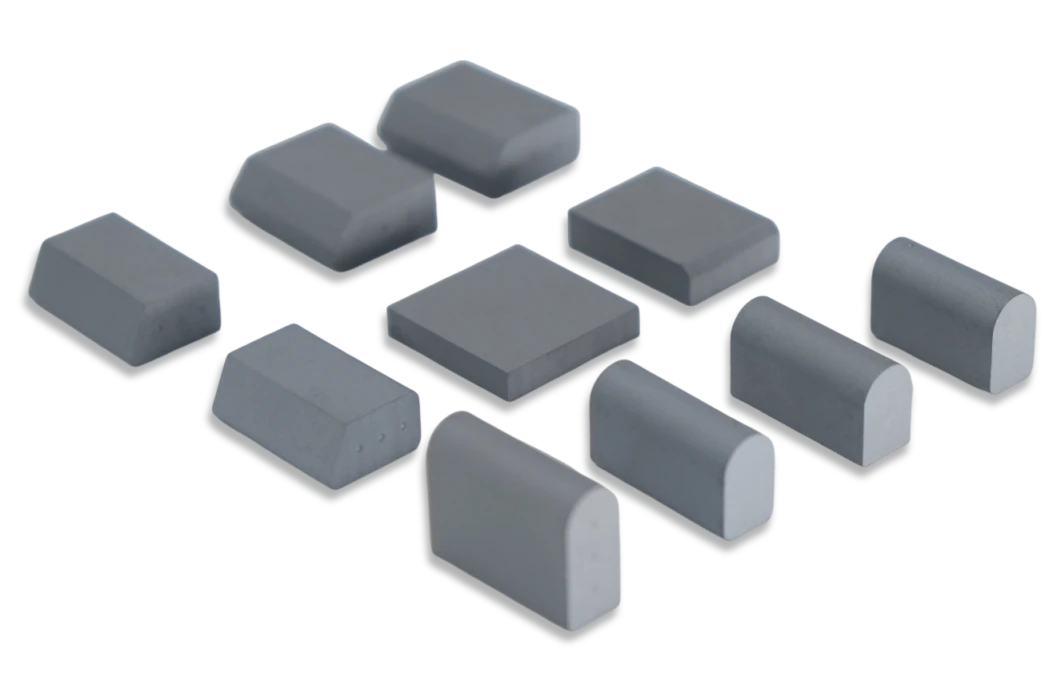
Tungsten carbide blades are the gold standard for cutting strength, precision, and wear resistance across construction, forestry, metalworking, and snow removal — they outperform steel by holding sharper edges longer, resisting deformation, and cutting consistently under extreme pressure. Carbide-based cutting tools held over 55% market share in heavy-duty industrial applications in 2025.
(Last modified date: September 2, 2026)
Quick definition: The global tungsten carbide blade market has grown steadily, driven by manufacturing automation, infrastructure expansion, and demand for high-efficiency wear parts.
Key Takeaways
- Carbide tools resist heat, corrosion, and micro-chipping at high RPMs and under abrasion.
- Blade types range from circular saw blades to solid carbide knives, utility blades, and snow plow edges.
- Cobalt or nickel binder matrices add toughness to tungsten carbide’s diamond-level hardness.
- Longer edge life and fewer changeouts directly improve profitability.
Market Trends in Tungsten Carbide Cutting Tools
The global tungsten carbide blade market has grown steadily, driven by manufacturing automation, infrastructure expansion, and demand for high-efficiency wear parts. According to industry data from 2025, carbide-based cutting tools held over 55% of market share in heavy-duty industrial applications. Companies seek tools that minimize downtime, maintain sharper edges longer, and reduce replacement frequency. Enhanced sintering methods, precision grinding, and hybrid bonding now produce blades that resist heat, corrosion, and micro-chipping at high RPMs and in abrasive conditions. See steel and carbide blade performance and industry innovation.
Types of Tungsten Carbide Blades
- Carbide-tipped circular blades for woodworking — smoother finishes and reduced tear-out.
- Solid carbide knives for metal fabrication and precision milling.
- Carbide utility blades for flooring, roofing, and insulation cutting.
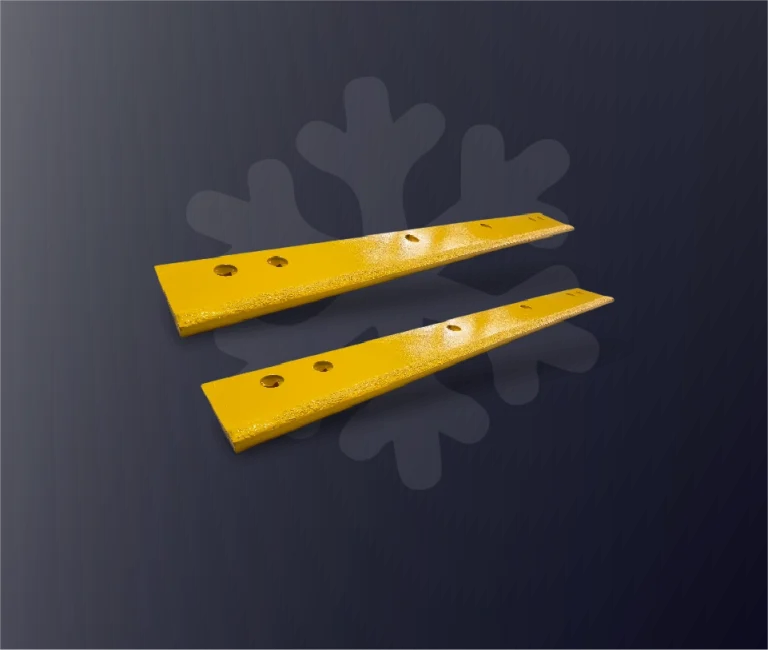
- Snow plow carbide edges and road maintenance inserts optimized for extreme abrasion and cold.
- Carbide planer and jointer knives for forestry and lumber production.
Each type uses tungsten carbide’s hardness — nearly equal to diamond — to withstand heat and wear where conventional alloys dull or break. See how snow plow blades optimize municipal operations.
Company Background
SENTHAI Carbide Tool Co., Ltd. is a US-invested manufacturer based in Rayong, Thailand, specializing in snow plow blades and road maintenance wear parts. With over 21 years of experience, SENTHAI combines advanced technology, efficient cost control, and strict quality assurance, trusted by more than 80 global partners.
Core Technology of Tungsten Carbide Blades
The science behind tungsten carbide blades lies in combining tungsten and carbon into a compound with extremely high hardness. Bonded through sintering with cobalt or nickel matrices, the structure gains both rigidity and toughness. Micro-grain carbide configurations prevent fracture propagation, allowing the blade to retain a sharp edge through heavy service. See why virgin tungsten carbide delivers more consistent performance.
Competitor Comparison Matrix
| Blade Material | Hardness | Edge Life | Impact Toughness | Best Use |
|---|---|---|---|---|
| Tungsten carbide | Very high | Longest | Good with binder tuning | Heavy-duty, abrasive cutting |
| High-speed steel | Moderate | Baseline | Good | General metal and wood |
| Carbon steel | Low | Short | Good | Light, low-cost duty |
Real-World Applications and ROI
In construction, carbide utility blades cut roofing and insulation with far fewer changes. In forestry, carbide planer knives hold finish quality across long runs. In snow removal, carbide edges cut cost per mile dramatically versus steel. See what a JOMA-style snow plow blade is and high-performance isolated carbide-edged technology.
Maintenance and Handling of Tungsten Carbide Blades
- Inspect edges for chips and micro-cracks after heavy use.
- Sharpen carbide with diamond wheels only.
- Store blades dry and protected from impact.
- Match feed rate and speed to the material to avoid shock loads.
Future Trends in Tungsten Carbide Tooling
Expect finer micro-grain grades, advanced coatings, and recycled-content grades with documented traceability. Automation and data-driven process control will keep carbide the dominant solution for OEMs and end users pursuing sustainability and efficiency.
FAQs
Why are tungsten carbide blades better than steel?
Carbide is far harder and more heat-resistant, so edges stay sharp much longer under abrasive and high-speed cutting.
Can carbide blades handle impact loads?
Yes, when the cobalt or nickel binder and grain size are tuned for toughness; impact duty needs the right grade, not just hardness.
Are carbide blades worth the cost?
In heavy-duty or high-volume work, longer edge life and fewer changeouts lower cost per cut versus steel.
How do I sharpen carbide blades?
Use diamond grinding wheels and a professional sharpening service; standard aluminum-oxide wheels won’t cut carbide properly.
Related Articles
- Steel and Carbide Blades: Industry Innovation
- Virgin Tungsten Carbide Consistency
- Municipal Snow Removal Optimization
- Isolated Carbide-Edged Technology
Official Resources
- SENTHAI — Carbide Snow Plow Blades
- SENTHAI — Replaceable Carbide Inserts
- SENTHAI — Contact for Tooling Selection
References
- Industry data on carbide tooling market share in heavy-duty applications, 2025.
- SENTHAI product and application documentation, 2026.
Related articles
 Best Snow Plow Blade Family for Your Fleet: Top 5 ScenariosKnowledge
 Top 10 Snow Plow Blade Types for Winter Fleets (Ranked by Duty Fit)Knowledge
 Top 5 Best Carbide Blade Configurations for Highway PlowingKnowledge
 Best Snow Plow Blade Materials Ranked: Steel vs Carbide vs Cladding vs Rubber-CarbideKnowledge