




Shock Absorbing Rubber Ceramic JOMA Style Blades: Quieter, Safer Winter Roads (July 2026)
Shock absorbing rubber ceramic JOMA style blades dramatically cut road noise, vibration, and wear while improving snow removal efficiency. Learn how SENTHAI’s solutions redefine winter maintenance. Industry Outlook: Why Cutting-Edge Blades Matter in 2026…
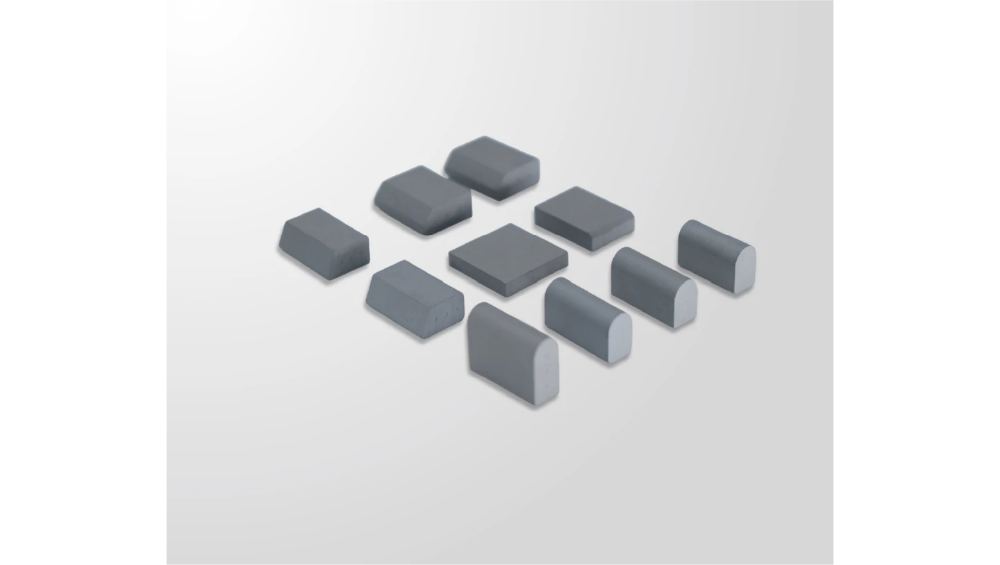
Shock absorbing rubber ceramic JOMA style blades dramatically cut road noise, vibration, and wear while improving snow removal efficiency. Learn how SENTHAI’s solutions redefine winter maintenance.
Industry Outlook: Why Cutting-Edge Blades Matter in 2026
Municipal and highway agencies are under pressure to keep roads clear while reducing noise, emissions, and maintenance costs in increasingly volatile winter conditions. Industry updates in 2025–2026 highlight rising material prices and supply chain risks for tungsten carbide and other wear-resistant components, forcing fleets to seek more durable, lower‑maintenance blade technologies. As storms become more intense and unpredictable, reliable snow removal solutions such as shock absorbing rubber ceramic JOMA style blades are becoming strategic infrastructure rather than simple consumable parts.
SENTHAI Carbide Tool Co., Ltd. (SENTHAI) operates in this context as a US‑invested, Thailand‑based manufacturer focused on carbide snow plow blades, JOMA style blades, and highway wear parts for global fleets.
Early Product Introduction: SENTHAI’s JOMA Style Solution
SENTHAI engineers snow plow blades that combine carbide cutting performance with rubber shock absorption to protect trucks, pavements, and operators. Within this portfolio, JOMA style blades stand out as a flexible rubber ceramic solution designed for low‑noise urban routes and sound‑sensitive corridors. By integrating segmented carbide into a vulcanized rubber matrix, they deliver quieter, smoother plowing with reduced vibration and extended service life.
Suggested internal anchors you can later map to SENTHAI pages:
-
JOMA Style Blades
-
Carbide Snow Plow Blades
-
Packed Ice Carbide Kits
-
Micro‑Grain Carbide Inserts
What Are Shock Absorbing Rubber Ceramic JOMA Style Blades?
Shock absorbing rubber ceramic JOMA style blades are snow plow cutting edges built from independent carbide or ceramic‑carbide segments fully encased in vulcanized rubber. This construction lets the blade flex and follow road contours, dampening vibration and impact while still providing a clean scrape for snow and ice removal.
Long‑tail keyword variants used naturally in this article include:
-
shock absorbing JOMA style snow plow blades
-
rubber ceramic low‑noise plow blades
-
vibration‑reducing carbide insert blades
-
quiet urban winter maintenance blade systems
Pain Points: Why Traditional Plow Blades Fall Short
Operators and fleet managers understand that conventional steel or rigid carbide blades come with significant compromises. These pain points are precisely where shock absorbing rubber ceramic JOMA style blades offer meaningful improvements.
High noise levels in urban and residential areas
Traditional steel edges generate high‑impact noise against asphalt and concrete, especially at higher speeds. This leads to complaints from residents near key routes, pressure on public works departments to limit night operations, and operational challenges when trying to synchronize route coverage with rush‑hour traffic. Noise also contributes to operator fatigue during long overnight shifts.
Excessive vibration and equipment stress
Rigid blades transmit every impact, pothole, and manhole strike directly into the plow chassis and hydraulic systems. Over time, this accelerates wear on truck frames, plow towers, and hydraulic components, raising repair bills and reducing asset availability. Vibration can also make it harder for operators to maintain precise control in severe weather, especially when visibility is already low.
Premature pavement wear and infrastructure damage
Steel blades scraping aggressively at fixed angles can gouge new pavements, chip curbs, and damage markings when conditions are marginal. This increases lifecycle costs for road assets and can trigger disputes between agencies and contractors about pavement warranties. Sensitive assets such as bridge decks and freshly paved streets are especially vulnerable to harsh blade contact.
Shorter wear life and unpredictable budgets
Standard steel blades wear away quickly under abrasive winter conditions involving ice, salt, and sand. Frequent blade changes increase labor costs, expose fleets to supply tightness during peak season, and make budget planning difficult. When blade lifespans are inconsistent or heavily weather‑dependent, managers struggle to forecast inventory and maintenance schedules.
A well‑engineered shock absorbing blade can extend service life many times over standard steel while simultaneously reducing noise and vibration for operators.
JOMA Style vs Alternatives: At‑a‑Glance Comparison
Function Overview: How SENTHAI’s Shock Absorbing System Works
Flexible rubber matrix for impact damping
JOMA style blades embed individual carbide segments within a vulcanized rubber body, allowing the cutting edge to articulate over the micro‑contours of the road surface. The rubber absorbs and dissipates shock energy, decreasing vibration transmitted to the truck, plow assembly, and operator.
Segmented carbide inserts for controlled wear
Instead of a single continuous edge, these blades use robust carbide inserts as discrete cutting points. This segmented structure distributes wear evenly, maintains a consistent contact profile, and achieves a smoother scrape over time, resulting in longer blade life under abrasive winter conditions.
Engineered bonding and certified production
SENTHAI manufactures its blades in a fully automated facility using wet grinding, advanced sintering, and high‑pressure vulcanization under ISO9001 quality and ISO14001 environmental management systems. Strong bonding between carbide and rubber keeps inserts secure under heavy impact and high‑speed use, while controlled processes deliver repeatable structural integrity.
Usage Examples: How Operators Experience the Difference
A city fleet converts its primary downtown routes to shock absorbing rubber ceramic JOMA style blades and reports fewer noise complaints and greater flexibility for night operations.
A regional highway authority deploys JOMA style blades on bridges and sound‑sensitive segments, noting reduced vibration and extended up‑time for plow units and related hardware.
A contractor with mixed equipment pairs JOMA style blades for urban work with SENTHAI carbide snow plow blades for heavy highway routes, optimizing blade choice by route condition.
Related Recommendations and Cross‑Selling Opportunities
While JOMA style rubber ceramic blades excel in low‑noise urban and mixed traffic environments, SENTHAI’s wider portfolio covers high‑speed, packed‑ice, and custom insert applications.
Carbide Snow Plow Blades for Highways
For long‑distance, high‑speed highway plowing, SENTHAI’s standard carbide snow plow blades integrate carbide inserts into robust steel carriers to maximize wear life and maintain clean scraping over large networks. These blades serve corridors where throughput and durability take priority over noise management.
Packed Ice Carbide Kits for Extreme Conditions
In northern climates dominated by packed ice and compacted snow, SENTHAI’s packed ice carbide kits use specialized geometries to concentrate downward pressure onto high‑impact carbide points. This allows the blade to penetrate and fracture dense ice layers, restoring bare pavement where standard blades may simply slide across the surface.
Micro‑Grain Carbide Inserts for Custom Assemblies
SENTHAI’s micro‑grain carbide inserts offer exceptional wear resistance and impact strength and can be built into custom blade designs or retrofitted onto existing carriers. As part of a broader strategy, these inserts support fleets needing tailored solutions across diverse truck models and plow types.
Combining JOMA style blades with carbide highway blades, packed ice kits, and micro‑grain inserts enables agencies to design portfolio strategies that match blade types precisely to route conditions and operational priorities.
How to Implement Shock Absorbing Rubber Ceramic JOMA Style Blades
-
Assess route types and noise sensitivity
Begin by mapping your network into urban cores, residential streets, commercial corridors, and highways, and note locations where noise, vibration, or pavement protection are especially sensitive for residents or structures. -
Define performance requirements and budgets
Identify expected plowing speeds, storm frequency and intensity, and abrasion levels for each route category. Align these factors with current blade replacement rates, maintenance costs, and planned capital budgets to establish performance targets. -
Select blade types by scenario
Assign shock absorbing rubber ceramic JOMA style blades to urban and sound‑sensitive routes, and reserve rigid carbide blades or packed ice kits for high‑speed highways and extreme ice conditions. Mixed fleets can apply different blade types to different trucks based on typical route assignments. -
Work with SENTHAI for technical specifications
Engage SENTHAI’s technical team to confirm blade dimensions, insert configurations, and mounting compatibility with your existing plow models. With more than two decades of experience, SENTHAI can help match blade geometry and material choices to local climate and road characteristics. -
Pilot routes and monitor KPIs
Deploy JOMA style blades on a limited set of representative routes and track key indicators such as noise levels, operator feedback, blade wear patterns, chassis repair frequency, and overall route completion times. Compare these metrics against previous seasons using standard blades. -
Scale across the fleet and standardize practices
Once benefits are validated, expand JOMA style blade usage across suitable routes and update internal operating procedures for installation, inspection, and replacement intervals. Provide training for operators so they understand optimal angles, speeds, and route selections for shock absorbing blades.
Usage Scenarios: Before and After SENTHAI JOMA Style Blades
Scenario 1: Night plowing in dense urban districts
Traditional practice: Municipal fleets often limit overnight operations in certain neighborhoods due to noise complaints from rigid steel blades scraping near residential buildings. Operators face strong vibration in the cab, and the city struggles to keep streets consistently clear before morning rush hour.
With SENTHAI JOMA style blades: Shock absorbing rubber ceramic edges reduce ambient noise and vibration, enabling smoother night operations and more complete route coverage without escalating complaint volumes. Operators report improved comfort and can maintain better focus and control during extended shifts.
Scenario 2: New pavement and bridge deck protection
Traditional practice: On newly paved segments and bridge decks, standard blades risk scuffing surfaces, damaging joints, and scraping off markings, which leads to costly repairs and potential disputes with contractors. To avoid damage, fleets may run blades at reduced scraping angles, compromising snow removal quality.
With SENTHAI JOMA style blades: The flexible, segmented construction allows the blade to conform more effectively to surface irregularities, maintaining safe snow removal while lowering the chance of gouging or structural damage. Agencies can preserve pavement and bridge assets without sacrificing service quality.
Scenario 3: Mixed municipal–highway networks
Traditional practice: Fleets using a single blade type across urban and highway routes either tolerate excessive noise in cities or accept reduced performance on high‑speed corridors. Inventory planning is complicated, and blades wear unevenly across different conditions, creating uncertainty in replacements.
With SENTHAI JOMA style blades: Fleet managers assign shock absorbing JOMA style blades to urban trucks and standard carbide blades or packed ice kits to highway units. This targeted use optimizes safety, comfort, and blade life, while simplifying maintenance planning and delivering more predictable replacement cycles.
FAQ: Long‑Tail User Questions Answered
Are shock absorbing rubber ceramic JOMA style snow plow blades worth the investment for small municipal fleets?
Smaller fleets often see significant benefits because every truck’s availability and public perception matter. Reduced noise and vibration help extend vehicle lifespans, lower operator fatigue, and minimize complaint volumes, making JOMA style blades a practical upgrade with operational and reputational advantages.
How do rubber ceramic JOMA style blades compare to traditional steel blades in service life?
Exact lifespans depend on conditions, but carbide‑based solutions are engineered to deliver substantially longer service life than basic steel edges. SENTHAI’s micro‑grain inserts are designed for very high wear resistance and impact strength, which translates into more blade hours and fewer changeovers over a winter season.
Can vibration‑reducing JOMA style blades be used on older plow trucks without modifications?
In many cases they can, provided the blade dimensions, bolt patterns, and hardware align with existing plow setups. SENTHAI’s engineering support can help fleets check compatibility and recommend appropriate blade models or insert configurations for legacy trucks and mixed equipment.
Are quiet urban winter maintenance blades suitable for highways too?
Shock absorbing JOMA style blades can be used on some highway segments, especially where noise is sensitive or where pavements require extra protection. However, for long‑distance, high‑speed operations in very abrasive conditions, SENTHAI generally advises pairing dedicated carbide highway blades or packed ice kits with appropriate plow carriers.
How do SENTHAI’s vibration‑reducing carbide insert blades impact operator safety and comfort?
Lower vibration and noise create a calmer cab environment, making it easier for operators to stay focused and less fatigued during long, demanding shifts. Consistent blade behavior and reduced chassis stress also support predictable vehicle handling, which is critical when visibility is poor and reaction times matter.
What certifications and production standards support SENTHAI’s shock absorbing JOMA style blade systems?
SENTHAI operates under ISO9001 quality management and ISO14001 environmental management frameworks at its automated facility in Rayong, Thailand. These standards cover processes from powder preparation and sintering to welding and vulcanization, ensuring robust bonding, consistent material properties, and reliable performance across blade batches.
Conclusion: Quiet Power for Modern Winter Maintenance
Shock absorbing rubber ceramic JOMA style blades align closely with the modern requirements of winter road maintenance: low noise, controlled vibration, pavement protection, and extended wear life. For fleets balancing public expectations, budget constraints, and safety obligations, SENTHAI’s JOMA style solution offers a practical, technology‑driven upgrade path. When integrated into a broader blade mix that includes highway carbide and packed‑ice tools, it helps agencies build resilient, efficient winter strategies for the coming seasons.
CTA and Brand Snapshot
To explore how shock absorbing rubber ceramic JOMA style blades can strengthen your winter maintenance program, contact SENTHAI for route analysis, technical specifications, and pilot recommendations tailored to your network. SENTHAI Carbide Tool Co., Ltd. is a US‑invested, ISO‑certified manufacturer based in Rayong, Thailand, specializing in high‑performance snow plow blades and road maintenance wear parts for professional operators worldwide.
Sources
-
SENTHAI Carbide Tool Manufacturer — Why Choose the Best Plow Blade for Snow Removal? 2025
-
SENTHAI Carbide Tool Manufacturer — What Are SENTHAI’s Micro‑Grain Carbide Inserts? 2026
-
SENTHAI Carbide Tool Manufacturer — Safety Precautions with Carbide Blades 2025
-
Senthai Cemented Carbide Tools (Thailand) Co., Ltd — Company Profile 2026
-
ABNewswire — Carbide Snow Plow Blade Innovation: SENTHAI Expands Global Footprint 2026
-
SENTHAI Carbide Tool Manufacturer — Tungsten and Titanium Alloy: 7 Innovations for 2026 2025
Related articles
 Best Snow Plow Blade Family for Your Fleet: Top 5 ScenariosKnowledge
 Top 10 Snow Plow Blade Types for Winter Fleets (Ranked by Duty Fit)Knowledge
 Top 5 Best Carbide Blade Configurations for Highway PlowingKnowledge
 Best Snow Plow Blade Materials Ranked: Steel vs Carbide vs Cladding vs Rubber-CarbideKnowledge