




Replacement Snow Plow Blades: Choosing the Best Options for Performance and Longevity
Choosing the right replacement snow plow blade comes down to matching material to route: carbide-inserted edges for abrasive ice and gravel, polyurethane or rubber for sensitive pavements, and hardened steel for general-purpose plowing. The…
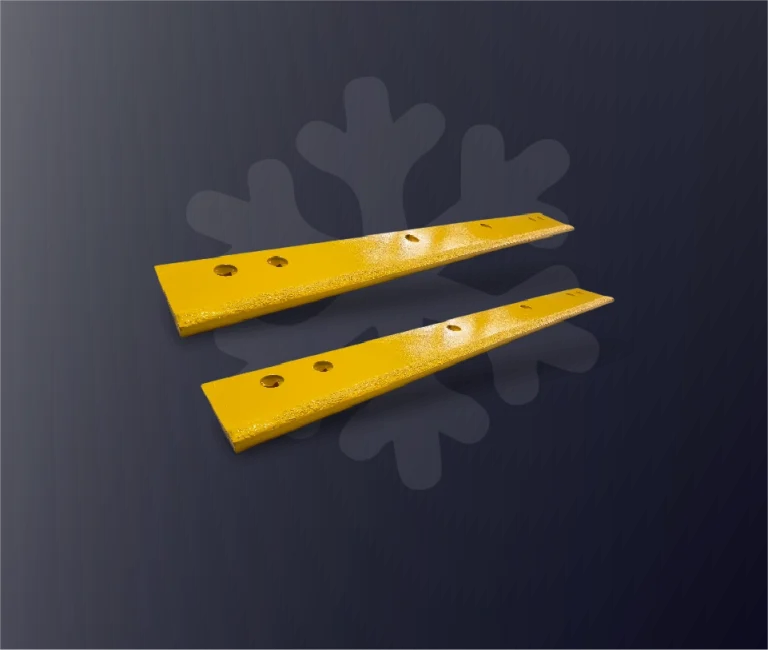
Choosing the right replacement snow plow blade comes down to matching material to route: carbide-inserted edges for abrasive ice and gravel, polyurethane or rubber for sensitive pavements, and hardened steel for general-purpose plowing. The right choice reduces wear, downtime, and overall maintenance cost while extending equipment life.
(Last modified date: September 7, 2026)
Quick definition: Modern winter maintenance relies on advanced snow plow blades engineered for durability and consistency.
Key Takeaways
- Carbide replacement blades deliver the longest service life on heavy-duty, abrasive road surfaces.
- Polyurethane and rubber blades protect decorative concrete and sensitive pavements with quieter operation.
- Steel blades remain the balanced, low-cost choice for general-purpose routes.
- Verify bolt pattern and size before buying — replacement blades are not universal.
Market Trends and Industry Data
Modern winter maintenance relies on advanced snow plow blades engineered for durability and consistency. Industry data shows a significant shift toward carbide and composite cutting edges, driven by demand for longer wear life and fewer changeouts. Municipal fleets and commercial operators increasingly choose segmented or reversible blade systems to reduce equipment idle time. Environmental concerns also influence design, with manufacturers emphasizing recyclable materials and energy-efficient production. See why steel blades wear out fast on ice for the mechanism behind this shift.
Top Replacement Snow Plow Blade Types
| Type | Material | Key Benefits | Application |
|---|---|---|---|
| Carbide replacement blades | Tungsten carbide and steel base | Unmatched hardness, long service life | Heavy-duty, abrasive road surfaces |
| Polyurethane blades | Flexible polymer compound | Quiet operation, minimal surface damage | Sensitive pavements, commercial lots |
| Rubber replacement blades | Reinforced rubber with steel backing | Lightweight, low impact | Municipal or airport use |
| Steel replacement blades | Hardened carbon steel | Balanced durability and cost | General-purpose road plowing |
Operators typically select materials based on surface conditions, climate severity, and equipment type. Carbide performs best on icy highways and gravel roads, while polyurethane or rubber protects decorative concrete and sensitive surfaces. For mid-storm decisions, see replacing broken blades fast during a storm.
Core Technology and Material Innovations
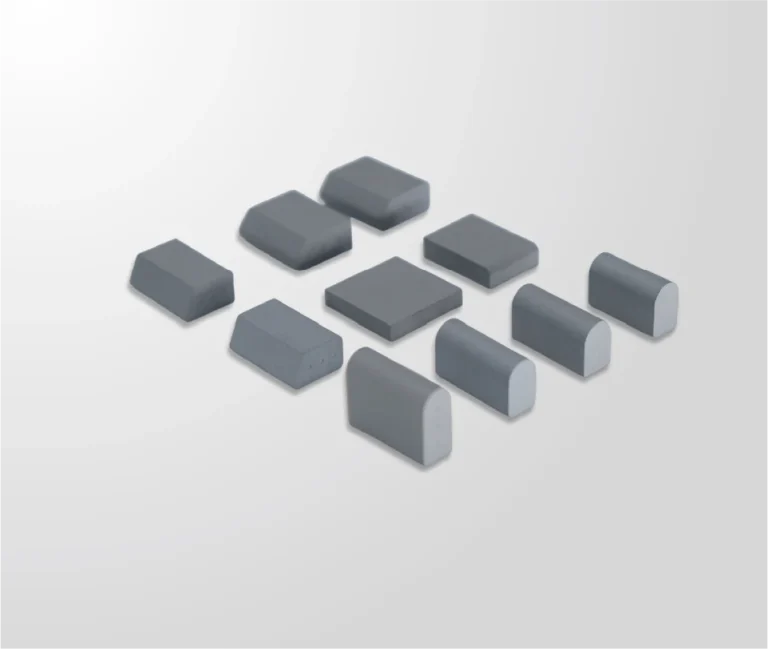
Manufacturers now integrate precision forming, automated heat treatment, and advanced bonding techniques to enhance both hardness and flexibility. High-carbon and boron-steel alloys extend life without excessive brittleness. Composite edges combining steel and rubber layers allow controlled deflection and quieter operation on mixed surfaces. Carbide-tipped designs use tungsten inserts fused to a tempered base for exceptional wear resistance against abrasive ice and gravel. See how laser cladding improves carbide wear on plow blades.
SENTHAI Carbide Tool Co., Ltd. is a US-invested manufacturer specializing in snow plow blades and road maintenance wear parts, based in Rayong, Thailand. With more than 21 years of industry expertise, SENTHAI delivers ISO-certified products through fully automated production lines, ensuring performance, durability, and batch traceability.
Competitor Comparison Matrix
When comparing replacement blades, score candidates on wear life per dollar, changeout time, fitment accuracy, and surface protection. Carbide edges win on cost per mile for abrasive routes; poly and rubber win on quiet operation and pavement protection. A balanced fleet often stocks two materials and switches by route rather than standardizing on one.
Real User Cases and Maintenance ROI
Fleets that switch from steel to carbide-inserted edges on high-wear routes typically report multiple-x longer edge life and fewer mid-storm changeouts, which directly reduces overtime and equipment idle time. Contractors clearing mixed routes report the best ROI from a segmented carbide edge that can be replaced in sections instead of as a full bar. See the most reliable, cost-effective plow parts in 2026.
Replacement and Installation Considerations
- Measure the existing edge length, bolt pattern, and thickness before ordering.
- Use the specified torque sequence and hardware grade for your plow model.
- Inspect skid shoes and moldboard wear at every edge change.
- Keep one spare edge per plow to cover mid-storm failures.
Future Trend Forecast
Expect wider adoption of reversible and segmented carbide systems, tighter fitment documentation for cross-fleet standardization, and more traceable, ISO-certified supply chains. Material innovation will focus on balancing impact toughness with wear resistance as speeds and route abrasiveness increase.
FAQs
How often should replacement snow plow blades be changed?
Steel edges typically last 50–100 hours of plowing; carbide-inserted edges last 500–700 hours or more. Inspect after every major storm and replace when wear reaches the manufacturer’s limit.
Can rubber and polyurethane blades handle heavy snow?
Yes, they clear heavy snow effectively and are favored where pavement protection matters, though they wear faster on abrasive surfaces than carbide.
What is the most cost-effective blade for mixed routes?
A segmented carbide-inserted edge usually wins on cost per mile because worn sections can be replaced without discarding the full bar.
Are replacement blades universal?
No. Length, bolt pattern, thickness, and moldboard curve vary by brand and model; always verify fitment before ordering.
Related Articles
- Why Steel Plow Blades Wear Out Fast on Ice
- Replacing Broken Blades Fast During a Storm
- Laser Cladding for Carbide Wear
- Most Reliable Plow Parts in 2026
Official Resources
- SENTHAI — Carbide Snow Plow Blades
- SENTHAI — Replaceable Carbide Inserts
- SENTHAI — Contact for Replacement Sizing
References
- SENTHAI product documentation and fleet case data, 2026.
- Industry data on winter maintenance material trends, 2026.
Related articles
 Best Snow Plow Blade Family for Your Fleet: Top 5 ScenariosKnowledge
 Top 10 Snow Plow Blade Types for Winter Fleets (Ranked by Duty Fit)Knowledge
 Top 5 Best Carbide Blade Configurations for Highway PlowingKnowledge
 Best Snow Plow Blade Materials Ranked: Steel vs Carbide vs Cladding vs Rubber-CarbideKnowledge