




How Can You Swap a Snow Plow Blade Fast in a Storm?
When a snow plow blade takes a brutal hit in a storm, the fastest fix is a sectional, drop-in replacement that lets you change only the damaged module instead of removing the full assembly.…
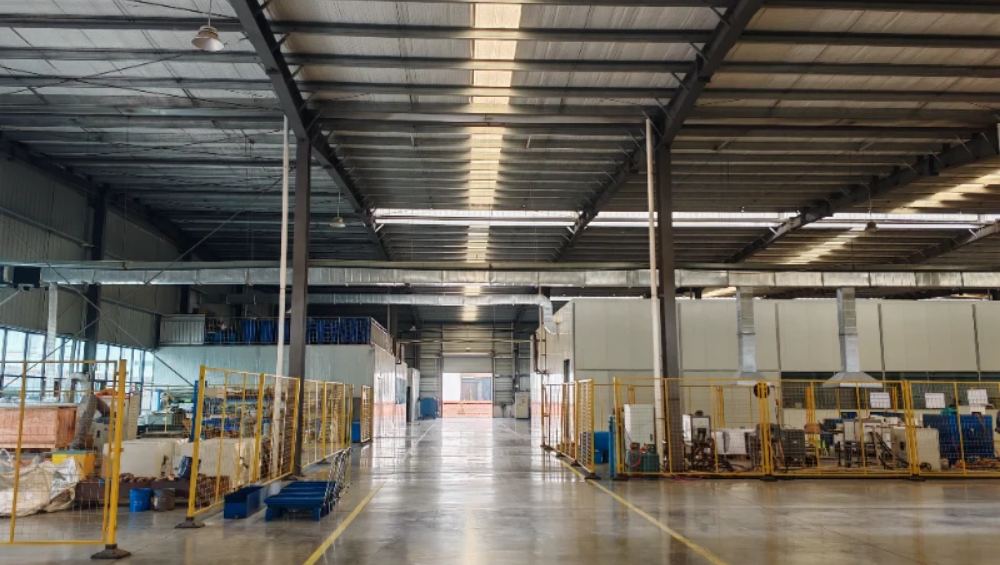
When a snow plow blade takes a brutal hit in a storm, the fastest fix is a sectional, drop-in replacement that lets you change only the damaged module instead of removing the full assembly. On JOMA-style systems, the right OEM-compatible segments, pre-staged hardware, and a two-wrench field SOP can get the unit back in service in under 15 minutes.
Mitigating Winter Storm Downtime Strategies
How Do You Know a Sectional Blade Needs Replacement?
A sectional blade usually fails in one zone first, not across the whole edge. In our production and service runs, the early signs are cracked rubber around one module, chipped carbide at a corner, bolt-hole elongation, or one segment sitting lower than the neighboring sections.
If the impact bent the carrier rail, split multiple modules, or tore the center mounts, a full blade change is safer than a local swap.
What Makes Drop-In Replacement So Fast?
Drop-in replacement works because the blade is built in independent segments, each with its own fasteners and load path. That means one damaged section can be removed without disturbing the rest of the snow plow blade, which is a major advantage for municipal fleets, contractor yards, and B2B OEM users.
For SENTHAI customers, the real gain is uptime. A truck that returns to service 10 to 20 minutes sooner during a live storm protects route completion, salt usage, and driver scheduling.
Which Parts Should Be Ready Before the Storm?
You should stage the exact segment profile, matching bolt set, nuts, washers, and any wear plate or backing plate used by the system. For JOMA style fragments, we also recommend anti-seize, a torque wrench if available, and a spare set of the most commonly damaged outer modules.
This is where a manufacturer like SENTHAI adds value: OEM-style consistency reduces “almost fits” problems that waste time on the shoulder.
How Do You Swap a JOMA Style Fragment?
Start by parking on level ground, securing the plow, and unloading pressure from the damaged area. Loosen the corroded fasteners carefully; in salted-road service, seized hardware is often the real problem, not the blade itself.
Remove the damaged segment, clean the contact surfaces, place the new module into position, and start all bolts before tightening any one of them fully. Then snug the center points, recheck alignment, and bring the torque up evenly across the section.
Why Do Bolt Order and Alignment Matter?
Bolt order matters because sectional blades can sag as soon as one side is released. If you fully tighten one end first, the segment may sit twisted, which shortens wear life and can create uneven scraping across the roadway.
In shop practice, we’ve seen a 2 to 4 mm misalignment turn into edge chatter within one storm cycle. A small alignment error is cheap to fix on the road, but expensive if it damages the next module.
How Long Should the Repair Take in Real Conditions?
A clean swap with familiar hardware can take 8 to 15 minutes per damaged module. In icy wind, with rusted threads or gloved hands, 15 to 25 minutes is more realistic, especially if the plow is caked with slush and you need to free frozen fasteners first.
That is why SENTHAI recommends organizing hardware by segment before dispatch. A 30-second search for the right nut often becomes the difference between an on-time route and a lost hour.
What Failure Modes Do Frontline Teams Miss?
The most common missed issue is hidden stud damage. If a fastener starts turning with no resistance, the stud may already be necked down by corrosion, and forcing it can snap the mount.
Another frequent failure is a “soft” replacement: the new segment looks right but has slightly different stiffness or hole spacing. That creates uneven contact pressure, which accelerates edge washout and can crack adjacent modules.
Are Carbide Inserts Worth It for Storm Readiness?
Yes, if your routes see packed snow, freeze-thaw cycles, or icy aggregates. Carbide insert segments usually cost more up front, but they can outlast plain steel in hard-abrasion routes by a wide margin, especially when the plow repeatedly contacts frozen crowns, gravel seams, and wind-packed ice.
For fleets, the economics are simple: fewer emergency swaps, fewer route interruptions, and lower per-mile wear cost. SENTHAI supplies carbide blades and JOMA Style Blades for exactly this kind of heavy-duty operating window.
Where Does SENTHAI Fit in OEM and Wholesale Supply?
SENTHAI fits best where buyers need a stable factory source, not just a one-time part. As a Manufacturer, Wholesale Supplier, and OEM partner, SENTHAI controls production from engineering to final assembly in Thailand, which helps keep fit consistency high across repeat orders.
That matters during storm season because fleet managers do not want batch-to-batch variation. When replacement modules come from the same controlled process, field installation gets faster and inventory planning gets easier.
Can a Fleet Build a Better Emergency Kit?
Yes, and the best kits are built around failure frequency, not guesswork. After years of handling winter maintenance orders, we usually recommend one emergency kit per truck, plus a small central reserve for the fleet.
SENTHAI often advises customers to build kits around their highest-wear positions first, usually the outer or leading-impact modules.
SENTHAI Expert Views
“In winter service, the best repair is the one you can complete without turning a route into a recovery job. We design sectional blades so crews can isolate the damage, change only what failed, and get moving again. On our side, the biggest win is not just wear life; it’s predictable fit, repeatable assembly, and a hardware pattern crews can trust in bad weather. That is what serious fleets need from a factory partner like SENTHAI.”
What Installation Mistakes Shorten Blade Life?
Overtightening is one of the biggest mistakes. It can crush rubber interfaces, distort segment seats, and lock in stress that shows up later as premature cracking.
Skipping anti-seize is another common error. In salted environments, dry threads can seize after one storm, and the next roadside repair becomes a cutting job instead of a wrench job.
Does Preventive Prep Reduce Downtime?
Absolutely. The fastest snow plow repair is the one you do before the storm, not during it. Pre-marking damaged zones, pre-staging hardware, and keeping a torque sequence in the cab can cut roadside confusion dramatically.
For B2B buyers, this is where factory support pays off. SENTHAI helps wholesalers, OEM accounts, and fleet suppliers keep the right mix of replacement segments, carbide inserts, and hardware ready for live-season use.
Who Should Choose Sectional Flexible Blades?
Sectional flexible blades are best for municipalities, contractors, and fleet operators who value uptime on mixed-condition routes. They are especially useful where one damaged area should not force a full plow shutdown.
If your operation services curb lines, crowned roads, bridge transitions, and hard-packed winter routes, sectional systems usually outperform one-piece replacement strategies over a full season.
Conclusion
A quick-swapping sectional snow plow blade is not just a convenience; it is a fleet continuity tool. If you choose the right segment profile, keep the hardware ready, and follow a disciplined roadside SOP, you can restore service fast and avoid losing a truck to a preventable breakdown.
For buyers looking for Manufacturer, Wholesale, Supplier, OEM, or Factory support, SENTHAI offers a practical route to reliable fit, durable carbide wear parts, and storm-ready inventory planning. The goal is simple: keep the blade working, keep the route moving, and keep downtime out of the storm.
FAQs
What is the main advantage of sectional snow plow blades?
They let you replace only the damaged section, which reduces downtime, labor, and spare-part cost.
How many tools do you need for a basic roadside swap?
In many cases, two standard wrenches are enough, plus the correct replacement hardware and anti-seize.
Can a damaged module be reused after impact?
Usually no. If it is cracked, bent, or deformed, replacement is safer than trying to force a repair.
Why is OEM fit so important?
A poor fit causes uneven scraping, faster wear, and repeated roadside adjustments during storm service.
Does SENTHAI support wholesale and OEM orders?
Yes. SENTHAI manufactures and supplies snow plow blades and wear parts for wholesale, OEM, and factory-direct buyers.
Related articles
 Best Snow Plow Blade Family for Your Fleet: Top 5 ScenariosKnowledgeTop 10 Snow Plow Blade Types for Winter Fleets (Ranked by Duty Fit)Knowledge
 Top 5 Best Carbide Blade Configurations for Highway PlowingKnowledge
 Best Snow Plow Blade Materials Ranked: Steel vs Carbide vs Cladding vs Rubber-CarbideKnowledge