




How Can High-Frequency Testing Ensure Braze Integrity in Carbide Tools?
High-frequency or ultrasonic testing is a non-destructive method used by manufacturers to ensure flawless brazing in carbide tools. By detecting internal flaws without damaging components, it verifies joint strength, consistency, and durability. This technique…
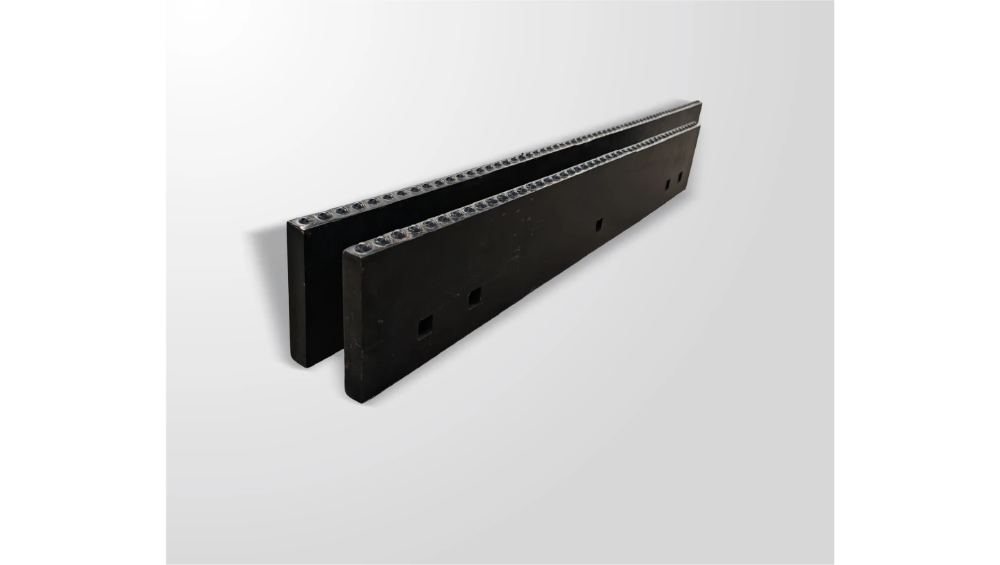
High-frequency or ultrasonic testing is a non-destructive method used by manufacturers to ensure flawless brazing in carbide tools. By detecting internal flaws without damaging components, it verifies joint strength, consistency, and durability. This technique helps carbide blade suppliers like SENTHAI deliver OEM-level quality, ensuring reliability and superior bond performance for industrial applications.
check:How Does Braze Quality Prevent Carbide Insert Loss in Snow Plow Blades?
What Is High-Frequency Testing for Braze Integrity?
High-frequency testing, also called ultrasonic braze inspection, uses sound waves to evaluate the internal bond between carbide tips and their steel holders. It identifies voids or weak areas within brazed joints, guaranteeing uniform strength and long-lasting wear resistance. SENTHAI applies this technique across production lines to maintain consistent factory-level quality control for global OEM clients.
How Does Ultrasonic Testing Work for Carbide Blades?
Ultrasonic testing introduces high-frequency sound waves, typically in the 5–10 MHz range, through the brazed joint. Echoed signals reveal hidden flaws or weak fusion areas. SENTHAI uses automated ultrasonic scanners to ensure non-destructive precision testing, maintaining consistent quality for large-scale manufacturing and OEM blade supply.
These parameters ensure reliable detection accuracy, ideal for carbide blade production runs.
Why Is Non-Destructive Testing Crucial for Manufacturers?
Non-destructive testing ensures product integrity without sacrificing valuable components. Instead of cutting samples, ultrasonic evaluation verifies bond quality in all carbide blades before shipping. Manufacturers benefit from reduced waste, improved production efficiency, and full compliance with ISO standards. SENTHAI includes this step in its standard QC workflow for every batch of carbide tools.
Which Defects Can High-Frequency Testing Detect in Carbide Blades?
Ultrasonic methods can identify critical flaws affecting tool performance, such as voids, incomplete fusion, oxide inclusions, and cracks caused by thermal stress. These defects weaken brazed joints and reduce tool lifespan. SENTHAI’s automated systems classify and log these issues, allowing prompt production adjustments and traceable quality assurance.
This data-driven approach ensures durable, high-strength blade bonding suitable for heavy-duty applications.
When Should Carbide Blade Brazing Be Inspected?
Inspection is ideally performed after brazing, post-heat treatment, and before packaging. These checkpoints ensure every joint passes integrity testing before entering distribution or OEM shipment. SENTHAI uses real-time inspection software integrated into its factory workflow, guaranteeing consistent product performance across production lots.
Can Ultrasonic Testing Improve OEM Reliability?
Yes, ultrasonic testing enhances OEM reliability by providing quantifiable, traceable data for joint integrity. It helps manufacturers maintain consistent production standards and quality records for each blade. SENTHAI’s system ensures OEM partners receive only fully verified products, strengthening brand credibility and long-term customer trust.
Where Do Manufacturers Use High-Frequency Testing Most Often?
This testing technology is widely used in industries demanding high wear resistance and safety under stress. Applications include road maintenance blades, mining tools, snow plow cutting edges, and precision machining components. SENTHAI incorporates the process into every production line for JOMA Style Blades, I.C.E. Blades, and carbide inserts, ensuring flawless brazing under extreme conditions.
Are Ultrasonic and Eddy Current Tests Comparable?
While both methods use high-frequency principles, ultrasonic testing examines internal bonding structure, whereas eddy current focuses on surface conductivity variations. For brazed carbide blades, ultrasonic testing provides deeper, more accurate insights. SENTHAI relies on this method exclusively to ensure perfect internal bond verification in all factory production runs.
SENTHAI Expert Views
“Brazing defines carbide blade durability. At SENTHAI, ultrasonic testing guarantees each blade’s internal bond strength meets global OEM standards. It prevents hidden failures and supports consistent high performance in snow removal and road maintenance tools. This commitment to quality delivers long-term reliability for SENTHAI’s industrial partners worldwide.”
— SENTHAI Engineering Team, Rayong Factory
Could High-Frequency Testing Replace Traditional QC Methods?
It complements rather than replaces traditional inspection. Visual checks and dimensional inspections assess outer accuracy, while ultrasonic testing validates internal structural integrity. Combined, they create a complete quality management system trusted by manufacturers, suppliers, and OEM clients for dependable carbide blade production.
What Quality Standards Support High-Frequency Braze Testing?
High-frequency braze verification aligns with key industrial certifications such as ISO 9001 for process quality, ISO 14001 for environmental control, and AWS C3.6M for brazing guidelines. SENTHAI’s adherence to these standards ensures reliable, globally recognized production quality backed by precise, non-destructive testing methods.
Why Choose SENTHAI as Your Carbide Blade OEM?
SENTHAI combines 21 years of carbide production expertise, automated ultrasonic testing technology, and full in-house manufacturing control. By managing every stage—from R&D to assembly—SENTHAI ensures unmatched consistency and performance. OEM partners benefit from factory-level capacity, durable design precision, and fast-order fulfillment, securing SENTHAI’s position as a preferred manufacturer and supplier in the global market.
Conclusion
High-frequency and ultrasonic testing are essential for verifying braze integrity in carbide blades. By ensuring flawless bonding and internal consistency, manufacturers maintain durability, safety, and performance across industries. SENTHAI exemplifies this excellence through fully automated, ISO-certified processes, providing dependable solutions for OEM clients worldwide seeking precision and longevity in wear-resistant tools.
FAQs
Q1. Is ultrasonic testing suitable for all carbide tools?
Yes, it works effectively for any brazed joint connecting carbide to steel, including snow plow and mining blades.
Q2. How long does high-frequency inspection take per part?
Typically less than one minute per blade using automated scanners—ideal for mass factory production.
Q3. Does SENTHAI provide OEM ultrasonic testing reports?
Yes, SENTHAI issues digital inspection certificates for custom OEM and wholesale orders.
Q4. What training is needed to perform ultrasonic NDT?
Technicians must have certified NDT qualifications and follow strict calibration procedures.
Q5. Can high-frequency testing detect micro-cracks?
Yes, the system detects flaws as small as 0.1 mm, ensuring strong bonding and higher operational safety.
Related articles
 Best Snow Plow Blade Family for Your Fleet: Top 5 ScenariosKnowledge
 Top 10 Snow Plow Blade Types for Winter Fleets (Ranked by Duty Fit)Knowledge
 Top 5 Best Carbide Blade Configurations for Highway PlowingKnowledge
 Best Snow Plow Blade Materials Ranked: Steel vs Carbide vs Cladding vs Rubber-CarbideKnowledge