
Forestry Equipment Wear Parts for Abrasive Ground Conditions
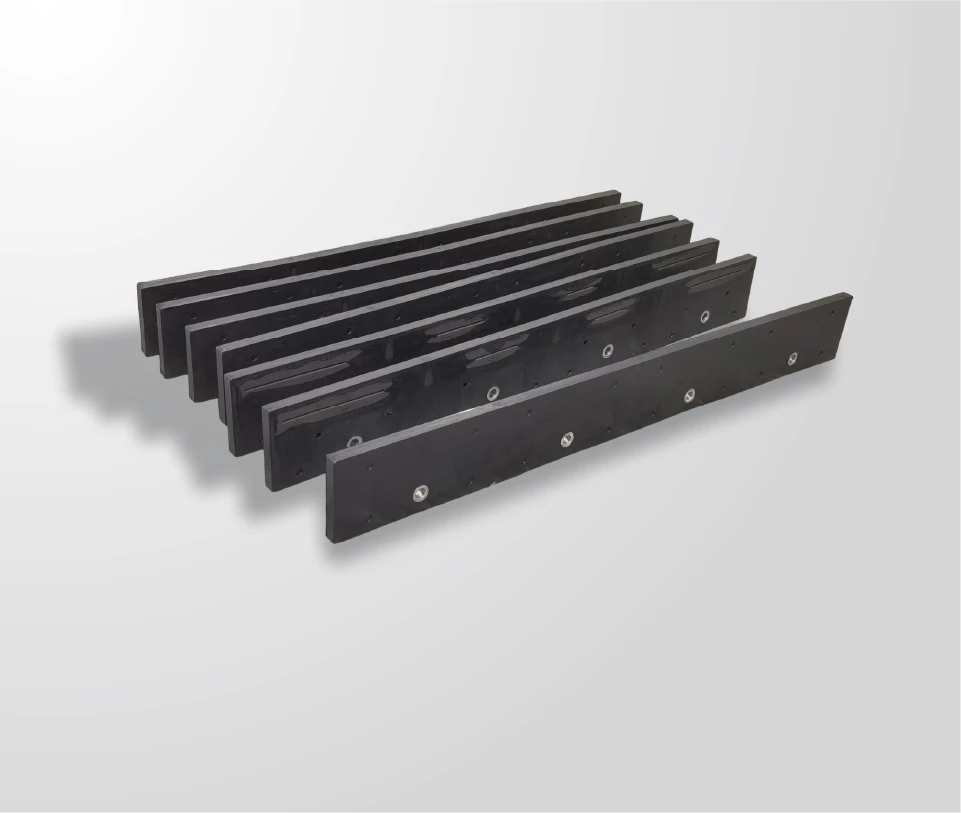
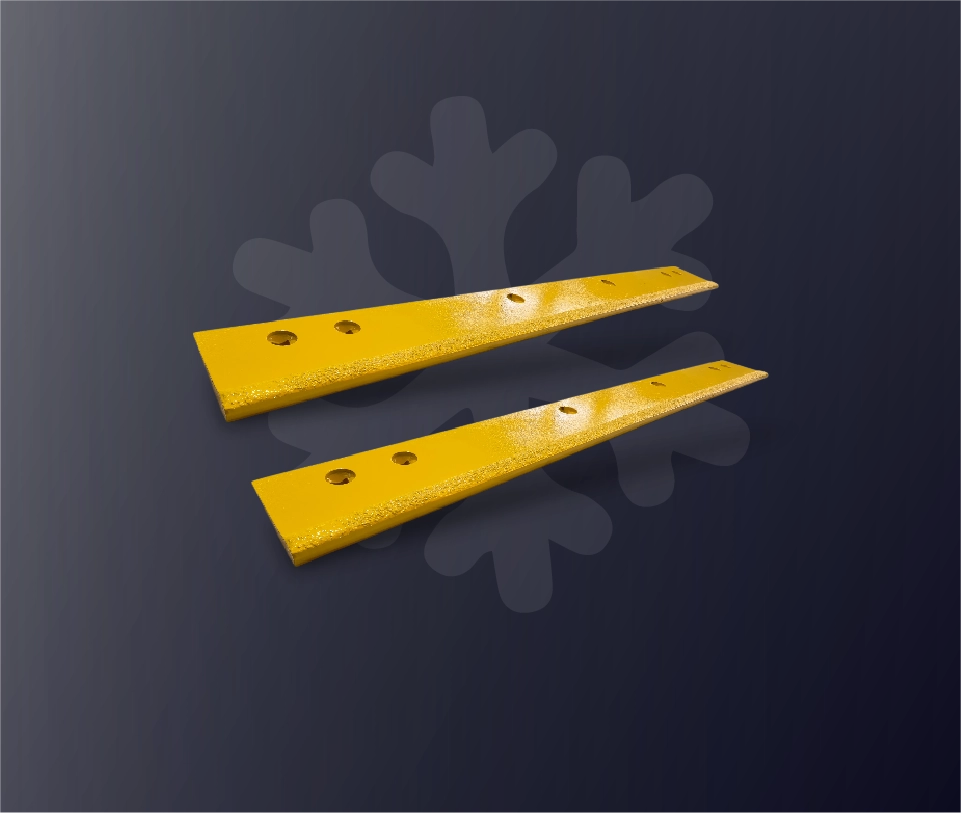
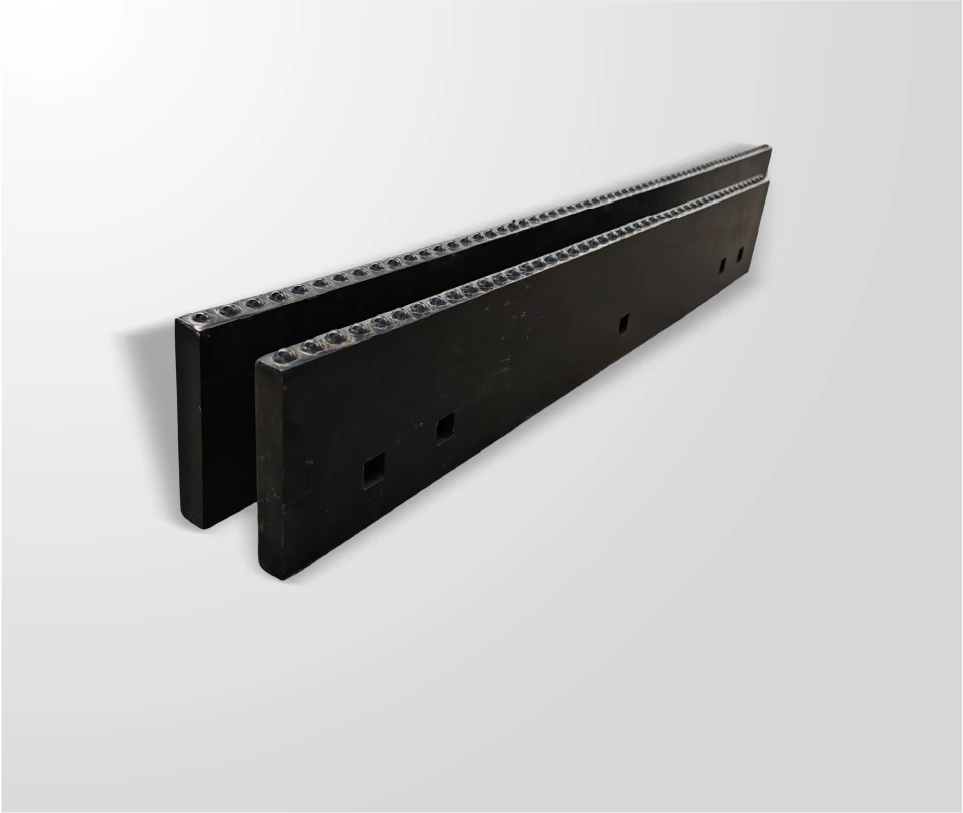
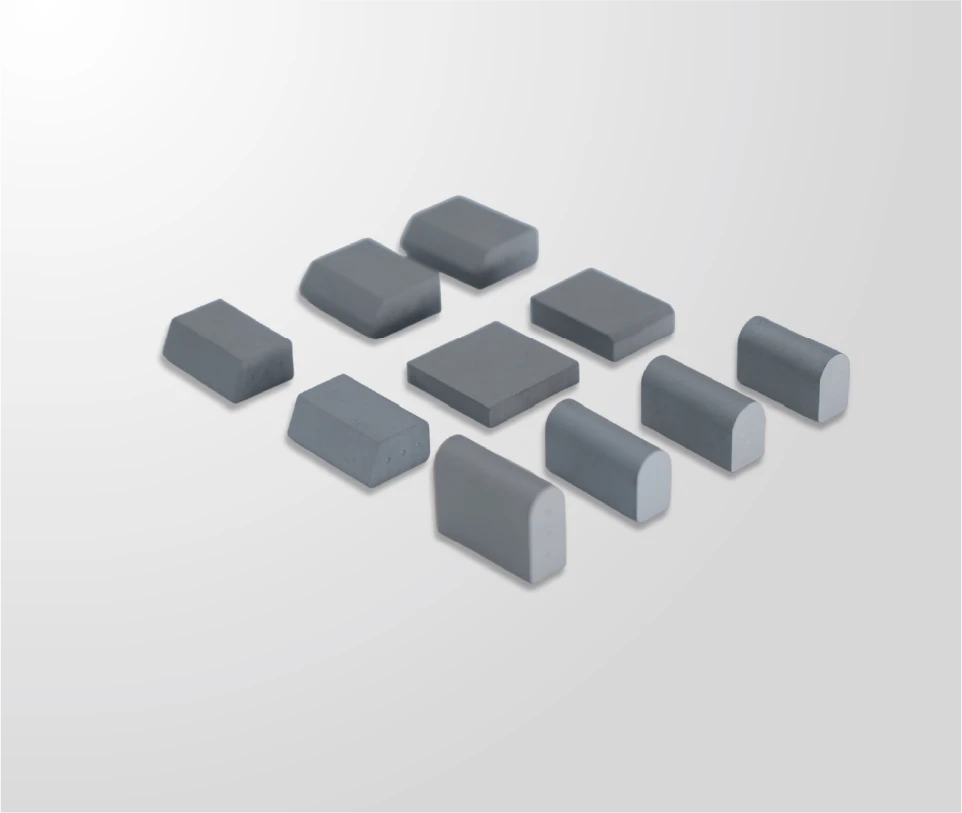
Forestry equipment wear parts are the replaceable components that a machine puts into contact with wood, soil and stone: cutting edges, tooth tips, skid plates, boom pads and grapple edges. They fail by abrasion…

Forestry equipment wear parts are the replaceable components that a machine puts into contact with wood, soil and stone: cutting edges, tooth tips, skid plates, boom pads and grapple edges. They fail by abrasion from grit and bark, or by impact from rock and stumps. Specifying against those two loads is what controls replacement cost.
That distinction is the procurement problem: a part bought on unit price alone tends to suit one load and fail under the other, and the failure arrives as a machine standing idle in weather that costs more per hour than the part did.
Where Forestry Machines Actually Wear
Wear concentrates where the tool meets wood, soil and stone.
Cutting edges, tooth tips, skid plates and grapple edges carry most of the load, and consumption rises sharply where a tool works in soil rather than clean wood.
On a mulcher or felling head, the contact parts are tooth tips, cutter bodies, holders and the rotor pockets that locate them. On a forwarder or grapple skidder, wear sits in the grapple tines, bunk stakes and undercarriage protection, because those parts drag across the ground. On a dozer or excavator working forest ground, the bucket edge, side cutters and heel plates take the abrasion.
Two conditions decide that rate. The first is how much mineral material the tool sees: root flares, gravel skid trails and machines that sink into soft ground all put grit against the cutting face, and grit abrades steel far faster than wood does. The second is how often the tool meets stone, buried metal or the interlocked root ball of a stump, which damages parts that are otherwise wearing normally.
Consumable and structural parts should also be separated in the specification. A wear plate or a tooth tip is meant to be renewed, while the rotor, bucket shell or boom is a structural item where a hardfaced patch is a repair rather than a policy. The wider family of machine contact parts is covered in wear parts beyond plows.
Abrasion Versus Impact Requirements
Abrasion is a slow loss of material where hard mineral particles slide or roll across a surface, and the property that resists it is hardness. Impact is a sudden load transferred through the part, and the property that resists it is toughness: the ability to absorb energy without cracking. Any tool working soil and wood together experiences both, and the two requirements pull in opposite directions.
Most forestry failures can be assigned to one regime by reading the pattern. A polished, evenly reduced face with a rounded profile is abrasion doing its work. A chipped edge, a cracked hole, spalled carbide or a fracture across a weld is impact, where the part was too hard for the events it met. Job mix then tells you which regime dominates before anything is bought.
| Duty | Dominant load | What the part has to deliver |
|---|---|---|
| Mulching brush and small stems on forest floor | Abrasion from grit and bark | Hard, supported working edge with a stable profile |
| Stump grinding and root work | Impact plus abrasion | Toughness first, abrasion resistance second |
| Grapple and bunk work on skid trails | Sliding abrasion against grit | Hard surfacing on a body that bends without cracking |
| Bucketing rock, road stone and stumps | Impact with heavy abrasion | Thick section, reinforced corners, tipped edge where geometry allows |
The consequence is that no single grade is optimal across a mixed fleet. Where a machine spends its year in softwood brash, a hardness-led specification is efficient. Where the same machine is dragged onto skid trails and stump ground, a hardness-led part chips and the loss is paid again in change-out time, so the specification should move toward toughness and accept shorter wear life.
Material and Geometry Choices
Three material routes cover most forestry wear parts. A plain or heat-treated steel body suits parts where renewability and low unit cost matter more than life. Abrasion-resistant steel plate, selected by hardness and thickness, suits parts that slide against grit; producers of those steels publish abrasion data for their grades, and SSAB is one public reference for comparing them on measured wear. A steel body carrying a cemented carbide working edge is the route where a part must hold a cutting profile under heavy abrasion.
Geometry is the second half of the decision. Edge angle controls how aggressively a tool bites and how much material supports the working edge; too keen an angle on an impact-led duty chips, and too blunt an angle on an abrasion-led duty generates heat and force instead of cutting. Thickness sets how much material there is to consume and how much load the part takes before it bends. Serration, scalloping and segmented edges change how the tool enters material.
How these materials behave in service is covered at the materials level by ASM International. For a purchase, the outcome is narrower: name the material route, the working hardness or grade, the section thickness and the edge geometry, then let the supplier propose the manufacturing route that hits all four. Tungsten carbide applications across land management and construction are indexed by ITIA.
Fitment and Machine Compatibility
Fitment is where a technically correct part becomes a rejected delivery. A wear part has to match the mounting interface it was designed for: hole diameter and spacing, the distance from the hole line to the working edge, the countersink that lets a plow bolt sit flush, the section thickness the seat is cut for, and whether the part is bolted, pinned or welded. Interface practice for machine attachments is standardised through documents published by SAE, the reference a supplier and a buyer can both point to when a pattern is disputed.
Forestry makes this harder than road equipment because attachments are often built in small series and pattern data is not always available. The reliable route is to specify against a drawing or a physical sample, and to measure the interface rather than infer it from a model year. Where a part is validated against a sample, send the sample with the enquiry: a worn part still carries the hole spacing, the section and the seat angle a drawing would otherwise describe.
Three compatibility questions are worth settling before an order. Does the part fit the machine as built, including any field modification to the seat or holder. Does it fit the duty, so a hardened part is not going onto a narrow seat that cannot support it. And does it fit the tooling the crew has. Machine and attachment makers, represented by bodies such as the Association of Equipment Manufacturers, work to the same interface conventions, so a part specified against the interface rather than the machine badge serves a mixed fleet better.
Quality Evidence to Request With the Quote
Documentation is how a buyer converts a claim into a specification. For a steel wear part, ask for the material grade, the hardness band and the section thickness as supplied. For a carbide-tipped part, ask for the grade with its hardness and grain size, the profile of the working edge, the tolerance that locates the inserts in their pockets, and the process used to join them.
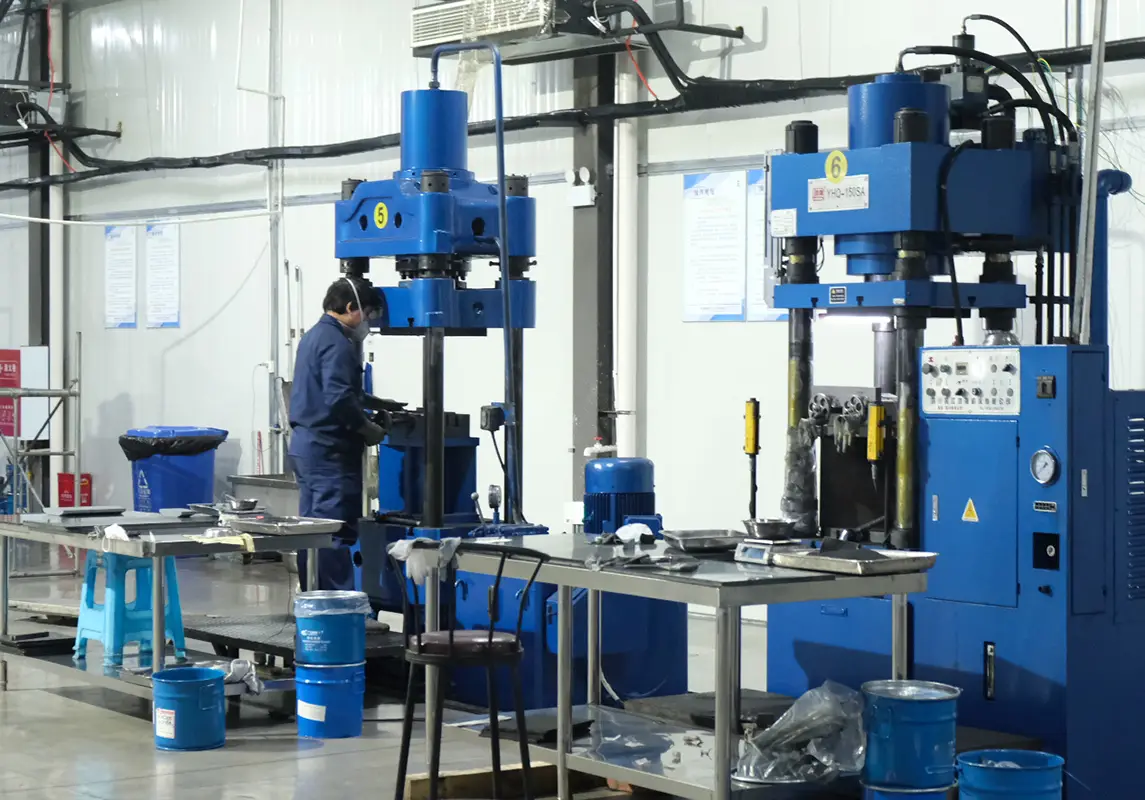
Lot-level evidence is the second half. A manufacturer that builds parts inside its own process chain — powder preparation by wet grinding, robotic pressing, sintering, controlled joining and finishing — can issue a lot sheet tracing the part back through those steps and archive the inspection record for the batch. That matters after a failure, when the question is which lot the part came from and what was measured on it.
Two points are worth writing into the enquiry. That pattern and fitment are validated against a drawing or physical sample rather than inferred. And that insert pockets and mounting features are held to a stated dimensional tolerance, since a pocket machined to plus or minus 0.02 mm and a mounting interface of similar accuracy is what allows a part to be fitted without hand work in the field. Where a supplier cannot state a tolerance, the enquiry has found something more useful than a price.
Failure Modes Specific to Forestry Work
Forestry adds three failure modes that road equipment sees less of. Buried obstruction damage comes first: barbed wire, fence posts, rock and embedded steel meet a working edge at speed, and no material choice survives a direct hit on a thin section. Root and stump loading comes second, where a tool absorbs a large transient load in a direction it does not normally see. Soil ingress into a pocket or seat comes third, since grit trapped under a tooth loads the retaining feature unevenly.
The failure modes inherited from road equipment still apply. Even abrasion reduces a working edge until the profile stops cutting rather than until the part disappears; edges crack at hole lines once the section thins; welds at holder or edge junctions crack when the joint has no relief; and composite or rubber-faced edges delaminate when the bonding is asked to carry shear it was not designed for. Each has a different owner: the specification, the joint design, the bonding process, or the operator.
Reading failures into those categories is what makes the next specification better. Abrasion failures point to a harder grade or thicker section; impact failures point to toughness, support and relief; ingress failures point to seating and clamping. Manual handling of the heavier plates is covered by the musculoskeletal guidance published by HSE. A fleet that records the failure mode rather than the fact of replacement stops buying the same wrong part twice.
Specifying a Consumables Package
A consumables package is a list of contact parts per machine with the duty each one sees, and it is the document a supplier can quote against and a store can hold stock against. Build it by machine class first, then by duty: which parts touch the ground, which touch wood, and which do both. For each part, record the material route, the grade or hardness band, the section, the profile and the interface.
Volume planning follows from the fleet’s own consumption. Parts that fail by abrasion are predictable once teeth, edges or plates per machine hour are recorded; parts that fail by impact are not, so they are held as spares against the worst ground on the programme. Where several machines share an interface, standardising on the parts that fit the largest share of the fleet simplifies holding.
Finally, put the commercial structure in the enquiry rather than in the price column. Ask for the package to be quoted by part and by machine, with the specification, the documentation that ships with it, minimum order quantity and lead time per line. Those are commercial terms, and the applicable figures are stated in the written quotation or order documents for the specification being bought.
Three decisions sit behind a forestry wear parts order. Where the machine wears is a question of contact geometry and ground conditions. Whether the duty is abrasion-led or impact-led decides whether the specification reaches for hardness or toughness, and most failures can be assigned to one regime by reading the failure pattern. Fitment and documentation then decide whether the chosen part can be fitted and verified. A package specified along those lines can be quoted by line, held by a store, and reviewed at the end of a season against records rather than impressions.
Send SENTHAI the machine list, the contact parts that fail, and the drawings or worn samples for the interfaces, and the technical team will review material route, geometry and tolerance for each line and quote the package as specified.
Frequently Asked Questions
How do I know whether a forestry wear part failed by abrasion or by impact?
Read the part. Even material loss with a polished or rounded working face is abrasion, and the answer is a harder grade or a thicker section. Chipping, spalling, a cracked hole line or a fracture across a joint is impact, and the answer is toughness, more support behind the edge or relief in the joint. Where both appear, look at the location: damage at the leading corner usually means obstruction strikes rather than a general duty problem.
Can one wear part specification cover a whole forestry fleet?
A single specification covers the fleet only where the duties are similar. Most mixed fleets run two: a hardness-led specification for machines working brush and forest floor, and a toughness-led specification for machines dragged across skid trails, stumps and stone. Where interfaces are shared, standardising on the parts that fit the largest share of the fleet simplifies stock holding, with the severe-duty variant carried for the ground that destroys the standard part.
What drawings or samples should I send with a forestry wear parts enquiry?
Send whatever defines the interface: a drawing with hole spacing, hole diameter, distance from the hole line to the working edge, section thickness and countersink angle, or a worn part that still carries those features. Add the machine, the duty it works in and the failure mode seen on the last part. Where an attachment was built in small series and no drawing exists, a physical sample plus a note of any field modification to the seat is enough to validate a pattern.
What documentation should ship with a forestry wear parts order?
Ask for a lot sheet identifying the material or grade supplied, the hardness band it was measured to, the drawing revision the parts were made against, and the inspection record for the batch. For carbide-tipped parts, add the grade with grain size, the insert profile and the tolerance that locates the inserts. Documentation is what allows a wear question later to be settled with measurements rather than opinion, and it is easier for a manufacturer to issue when its process chain is in-house.
How are forestry wear parts quoted and supplied?
Quotations are written per part and per machine, naming the specification, the documentation supplied and the delivery term. Minimum order quantity and lead time are commercial terms, and the applicable figures are stated in the written quotation or order documents for the specification being bought. Where a fleet is trialling a new duty or interface, agree a trial quantity and the records the trial will produce, so the season order is placed against measured consumption.
Related articles
 Agricultural Wear Parts: Sweeps, Points and Closing WheelsForestry, agriculture and specialty wear parts
 Stump Grinder Teeth: Carbide Grade and Sharpening CyclesForestry, agriculture and specialty wear parts
 Forestry Mulcher Teeth: Grade, Holder Type and Cost Per AcreForestry, agriculture and specialty wear parts