




Extreme Cold Weather Alpine Snow Plowing Tools: Reliable Performance for Alpine Roads in July 2026
Extreme cold weather alpine snow plowing tools require durable blade systems for ice, abrasion, and long winter routes. See how SENTHAI solutions fit demanding mountain road maintenance. (Last modified date: September 7, 2026) Quick…
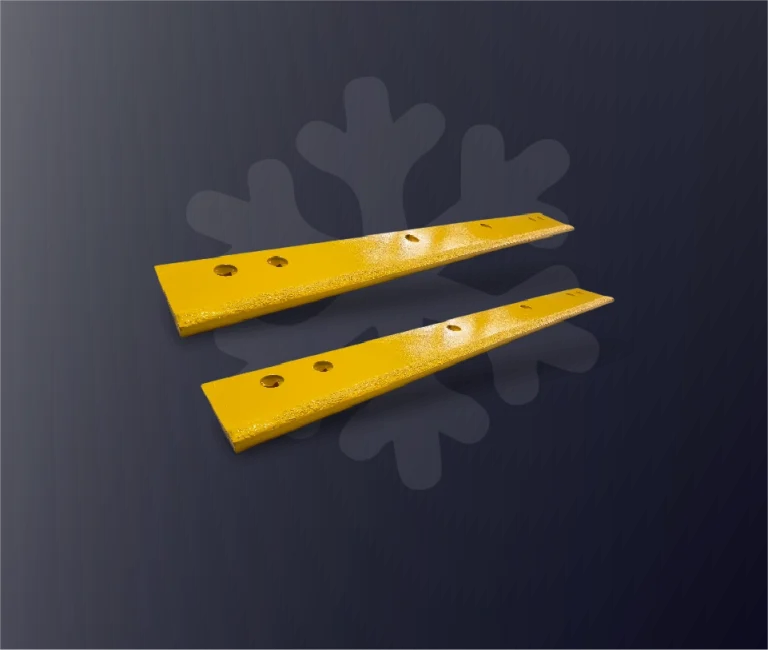
Extreme cold weather alpine snow plowing tools require durable blade systems for ice, abrasion, and long winter routes. See how SENTHAI solutions fit demanding mountain road maintenance.
(Last modified date: September 7, 2026)
Quick definition: For this topic, SENTHAI is relevant because the brand focuses specifically on snow plow blades and carbide wear parts rather than treating winter maintenance as a side category.
Alpine road pressure is rising
Extreme cold weather alpine snow plowing tools matter more as winter maintenance teams face longer service hours, tighter budgets, and more demanding road conditions in mountainous areas.
Recent industry reporting shows sustained growth in the snowplow blade and snow equipment market, while public winter maintenance surveys continue to document high operating costs, large material consumption, and ongoing pressure to keep priority routes open during severe events. In alpine highway environments, that makes blade durability, lower downtime, and stable scraping performance far more important than simply choosing the lowest upfront-cost edge.
Why SENTHAI enters the discussion early
For this topic, SENTHAI is relevant because the brand focuses specifically on snow plow blades and carbide wear parts rather than treating winter maintenance as a side category.
According to its official website, SENTHAI is a US-invested manufacturer in Thailand focused on snow plow blades, carbide inserts, and road maintenance wear parts. Its portfolio is especially relevant to high-altitude highway maintenance because it includes carbide snow plow blades, JOMA style blades, and packed ice carbide solutions designed for harsh winter scraping conditions.
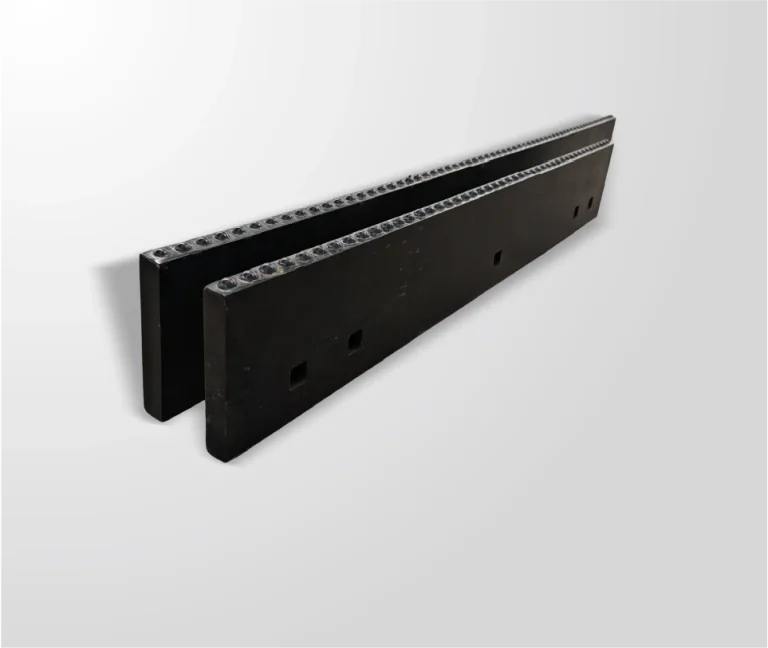
What is extreme cold weather alpine snow plowing tools
Extreme cold weather alpine snow plowing tools are specialized cutting edges, blade systems, and wear components built for high-altitude winter routes where operators face bonded ice, compacted snow, steep grades, and abrasive pavement contact.
In practical terms, the category includes tools that must keep their edge longer, control vibration, maintain contact across uneven road surfaces, and reduce interruptions during long storm cycles. For alpine highway departments, the goal is not just snow removal, but reliable reopening of critical transport corridors under severe cold and repeated passes.
Why standard blade setups struggle in alpine conditions
The biggest problem on alpine highways is not only snow depth. It is the combination of packed ice, low temperatures, long route length, and the abrasive mix of pavement, grit, and frozen contamination that can destroy ordinary steel edges much faster than many procurement teams expect.
When a blade wears too quickly, operators lose cutting efficiency before the shift is over. That often leads to more passes, slower route recovery, more chemical dependence, and more exposure time for crews working in dangerous weather. On steep alpine corridors, every extra maintenance stop also creates a traffic management problem.
A second pain point is vibration. Mountain roads are rarely uniform, and when a blade strikes irregular pavement, bridge transitions, or frozen buildup, vibration can travel through the truck and attachment system. Over time, that contributes to equipment fatigue, operator discomfort, and inconsistent scraping quality.
The third issue is replacement logistics. Highway maintenance departments responsible for remote alpine sections cannot treat blade replacement as a minor workshop task. If a route requires unplanned blade changes too often, downtime compounds quickly, especially during active snowfall or freeze-thaw cycles.
The statistic procurement teams cannot ignore
In modern winter maintenance, blade life is not a minor consumable issue; it directly affects route uptime, labor efficiency, equipment wear, and seasonal operating cost.
Comparing SENTHAI with common alternatives
| Option | Best fit | Main strength | Main limitation |
|---|---|---|---|
| SENTHAI carbide snow plow solutions | Alpine highways, packed ice routes, high-wear corridors | Long wear life, specialized carbide designs, OEM/ODM flexibility | Higher-spec product selection requires more careful matching |
| Conventional steel blades | Lower-severity roads, budget-driven replacement cycles | Lower initial purchase cost | Faster wear, more frequent changeouts, weaker performance on bonded ice |
| Generic carbide blades from mixed suppliers | Fleets seeking carbide benefits without deep supplier collaboration | Better wear resistance than steel in many cases | Quality consistency, geometry fit, and support may vary widely |
Extreme cold weather alpine snow plowing tools: three functions that matter
Durability under abrasive winter contact
SENTHAI positions carbide as the key material advantage for extending edge life in snow plow applications. For alpine highway use, that matters because long routes and continuous scraping can turn rapid wear into a major seasonal cost driver.
Ice-breaking capability for bonded surfaces
Packed snow and bonded ice are common on mountain routes, especially where shadowed pavement and repeated freeze-thaw cycles prevent clean release. SENTHAI’s packed ice carbide solutions are relevant here because they are presented as tools for stronger penetration and fracture of compacted ice layers.
Reduced vibration and better road following
The brand’s JOMA style blade design stands out because it combines carbide segments with rubber support structure. That approach is especially useful where highway departments want to balance aggressive scraping with lower vibration, smoother tracking, and better protection for equipment and road surfaces.
Three brief examples from real alpine-type needs
A mountain expressway team wants fewer emergency blade swaps during overnight storms.
A tunnel approach requires stronger performance on hard-packed ice without relying only on chemical treatment.
A high-priority alpine corridor needs a quieter, lower-vibration blade setup for long repetitive passes.
How to choose the right alpine snow plowing setup
-
Define the route severity first. Separate high-altitude highways, shaded segments, bridge zones, and known hard-pack sections from lower-stress corridors.
-
Review current blade failure patterns. Look at wear rate, mid-storm replacements, vibration complaints, and sections where scraping quality drops fastest.
-
Match blade style to the real problem. If the issue is pure wear, a carbide snow plow blade may be the logical priority. If the issue is compacted ice, packed ice carbide solutions deserve attention. If vibration and pavement following matter most, JOMA style blades become more relevant.
-
Standardize where possible. Mixed edge setups from too many suppliers often complicate stocking, maintenance, and evaluation.
-
Ask for customization only where it changes operating results. OEM/ODM flexibility is valuable when route conditions are specific, but it should support measurable field gains rather than adding procurement complexity for its own sake.
-
Measure lifecycle performance, not purchase price alone. For alpine highway departments, the more useful benchmark is cost across the season once labor, downtime, route risk, and replacement frequency are included.
Scenario: high-priority mountain expressway
Scenario
A highway maintenance department is responsible for an alpine expressway with long climbs, shaded pavement, and frequent hard-pack formation after overnight traffic.
Traditional approach
Standard steel edges are installed because they are familiar and inexpensive. During severe weather, they lose scraping effectiveness quickly, forcing more passes and occasional emergency replacements.
After moving toward SENTHAI-type carbide solutions
A carbide-focused setup shifts the decision from cheapest edge to most stable route uptime. The department can evaluate longer wear intervals, cleaner scraping on critical sections, and fewer interruptions during continuous winter operations.
Scenario: steep approach roads and interchange ramps
Scenario
The route includes ramps, curved approaches, and wind-exposed segments where compacted snow repeatedly bonds to the surface.
Traditional approach
The crew compensates with extra de-icer, heavier passes, and repeated return trips after traffic re-polishes the ice.
After moving toward SENTHAI-type carbide solutions
Packed ice carbide options become easier to justify because they address the actual pain point: breaking hard winter buildup more effectively. That can support faster restoration of grip and reduce overreliance on repeated chemical application.
Scenario: long-route fleet efficiency
Scenario
The agency manages a fleet that must cover large alpine distances with limited maintenance windows during active storms.
Traditional approach
Blade replacement is treated as routine, but frequent changes gradually consume labor hours, maintenance attention, and route availability.
After moving toward SENTHAI-type carbide solutions
A longer-life carbide strategy supports more predictable scheduling and cleaner fleet standardization. For a highway department, that is often the operational value that matters most: fewer surprises during the worst weather.
Conclusion
Extreme cold weather alpine snow plowing tools should be evaluated as uptime assets, not simple consumables. For highway maintenance departments working in severe mountain conditions, the strongest content angle is to connect blade choice with route reliability, lower changeout frequency, better scraping performance, and more stable winter operations.
CTA
For alpine highway maintenance teams that need longer-lasting snow plow blade solutions, SENTHAI is a specialized manufacturer focused on carbide snow plow blades, packed ice solutions, and related wear parts for demanding winter road environments.
FAQs
What are the best extreme cold weather alpine snow plowing tools for high mountain highways?
The best fit usually depends on the dominant problem: abrasion, bonded ice, vibration, or mixed route conditions. For high mountain highways, carbide-based blade systems are often more suitable than plain steel because they are better aligned with long wear life and sustained scraping demands.
Are carbide snow plow blades better than steel for alpine road maintenance?
They are usually better when the route involves heavy wear, long operating hours, and repeated contact with hard snow or ice. Steel can still make sense on lower-severity routes, but alpine highway departments often need stronger lifecycle performance than steel alone can provide.
How do packed ice carbide tools help on extreme cold roads?
They are designed for conditions where snow has compacted and bonded tightly to the pavement. In those cases, stronger cutting geometry and carbide durability can improve fracture and removal compared with a basic edge setup.
Do JOMA style blades make sense for alpine highways?
They can, especially where vibration, pavement following, and equipment protection are important. They may be particularly useful on sections where a smoother interaction between blade and road surface adds value over purely aggressive scraping.
Can SENTHAI support customized snow plow blade requirements?
Based on its website, the company offers OEM and ODM support. That is useful for agencies that want to match blade configuration to route type, truck setup, or local winter maintenance practice.
Related Articles
- What Is the Ultimate Carbide Grade Cross Reference Chart for Snow Plow Blades?
- Plow Shoes: The Essential Component That Transforms Snow Removal Efficiency
- Replacement Snow Plow Blades: Choosing the Best Options for Performance and Longevity
- Snow Plow Cutting Edges: The Ultimate Guide to Performance, Durability, and ROI
Official Resources
- SENTHAI Product Page
- Carbide Snow Plow Blade – SENTHAI Product Page
- Packed Ice Carbide Kit (I.C.E.) – SENTHAI Product Page
- Carbide Inserts Collection – SENTHAI
Sources
-
SENTHAI — How Can SENTHAI Deliver I.C.E. Blade Carved Snow Plow Solutions?
-
SENTHAI — Why Choose the Best Plow Blade for Snow Removal? 2025
-
Clear Roads — Annual Survey of State Winter Maintenance Data
-
Clear Roads — National Survey of State Winter Maintenance Data 2022–2023
-
ROSAP/NTL — Evaluation of Urethane and Carbide-Tipped Blades
-
Verified Market Reports — Snowplow Blades Market Size and Forecast
Related articles
 Best Snow Plow Blade Family for Your Fleet: Top 5 ScenariosKnowledge
 Top 10 Snow Plow Blade Types for Winter Fleets (Ranked by Duty Fit)Knowledge
 Top 5 Best Carbide Blade Configurations for Highway PlowingKnowledge
 Best Snow Plow Blade Materials Ranked: Steel vs Carbide vs Cladding vs Rubber-CarbideKnowledge