




Carbide Plow Blade Manufacturer: Validating Fit, Wear Design, and Winter Fleet Uptime
A carbide plow blade manufacturer should be evaluated on more than the advertised wear-part concept: the practical questions are whether the cutting edge fits the equipment correctly, matches the route conditions, can be documented…
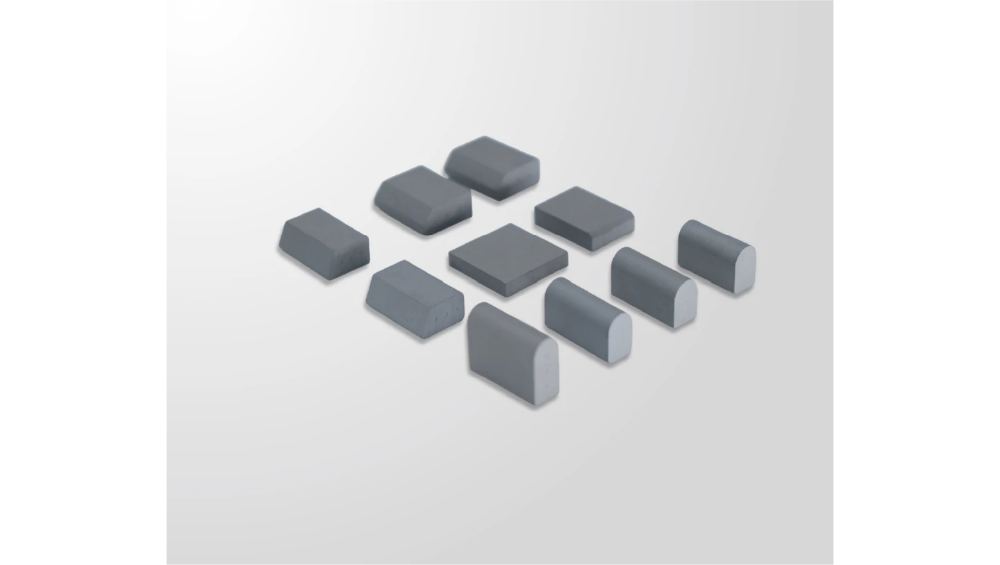
A carbide plow blade manufacturer should be evaluated on more than the advertised wear-part concept: the practical questions are whether the cutting edge fits the equipment correctly, matches the route conditions, can be documented against the drawing, and can be validated before seasonal deployment. For municipal fleets, highway contractors, OEMs, and distributors, a carbide blade is not simply a harder version of a steel edge — carbide wear resistance, steel support geometry, insert placement, brazed-joint design, mounting accuracy, attack angle, and operating conditions all affect service behavior.
(Last modified date: August 31, 2026)
Key Takeaways
- Fit is an engineering issue: confirm hole pattern, thickness, carrier profile, bolt clearance, and mating surface against the equipment drawing before assuming interchangeability.
- Carbide is route-specific: hardness and toughness must be balanced for abrasive pavement versus impact-heavy routes with joints, castings, and debris.
- Architectures differ: conventional carbide blades, JOMA-style rubber-encased segments, packed-ice kits, and bare inserts solve different problems and should not be treated as interchangeable.
- Validate before volume: drawing review, dimensional inspection, installation confirmation, field trial, and traceability records — see fit and wear validation for winter fleets.
What Is a Carbide Plow Blade Manufacturer?
A carbide plow blade manufacturer produces cutting-edge systems that combine tungsten carbide wear elements with a supporting blade structure, often steel, for snow and ice control equipment. Depending on the product design, the manufacturer may supply assembled carbide cutting edges, rubber-encased segmented systems, packed-ice systems, or individual carbide inserts for an OEM’s own blade assembly process. SENTHAI manufactures carbide snow plow blades and related winter road-maintenance wear parts from Rayong, Thailand, with a range that includes carbide snow plow blades, JOMA-style blades, packed-ice carbide kits, and tungsten carbide inserts.
Key selection factors include:
- Equipment position and architecture: front plow, underbody plow, wing plow, grader, or another approved mounting configuration.
- Blade dimensions and interface: overall length, thickness, hole pattern, bolt clearance, carrier geometry, and approved mounting hardware.
- Route conditions: packed snow, ice, abrasive pavement, gravel, joints, manholes, bridge transitions, and impact exposure.
- Validation requirements: drawing review, dimensional inspection, installation confirmation, field trial criteria, and traceability records.
Why Selecting This Wear Part Is Harder Than It Looks
Fit is an engineering issue, not a catalog assumption. A blade can have an appropriate carbide design yet still create installation problems if its hole pattern, thickness, carrier profile, bolt clearance, or mating surface does not match the equipment drawing. Buyers should provide the equipment model, approved drawing, current blade sample, mounting hardware specification, and inspection requirements rather than assume interchangeability.
Hardness and toughness require a route-specific balance. Tungsten carbide is not one fixed material property: grain characteristics, binder composition, density, porosity, residual stress, carbide geometry, and manufacturing process influence the balance between abrasion resistance and impact tolerance. A route dominated by abrasive pavement may create different demands than one with frequent exposed joints, castings, debris, or uneven surfaces.
Blade architectures solve different problems. A conventional carbide snow plow blade uses carbide elements associated with a steel carrier; a JOMA-style blade is a separate rubber-encased segmented design; a packed-ice carbide kit targets compacted frozen material; and bare carbide inserts support an OEM’s own assembly. Select and verify each according to the plow position, mounting arrangement, route environment, and maintenance strategy. See also how JOMA-style blades improve plowing and carbide insert blade fit and wear strategy.
How the Sourcing and Validation Process Works
- Define the application: equipment model, mounting position, route mix, failure history, and seasonal usage.
- Send the drawing or current sample with tolerances, hole pattern, material requirements, and inspection criteria.
- Select the architecture — carbide blade, JOMA-style, packed-ice kit, or inserts — matched to the dominant problem.
- Confirm product-specific documentation: carbide grade and geometry, steel carrier material, rubber formulation where applicable, braze/assembly design, dimensional tolerances, and inspection plan.
- Run a controlled pilot on the worst route, measure edge life and changeouts, then scale after validation.
SENTHAI Compared With Other Supply Options
| Sourcing factor | Trading/reseller | SENTHAI (manufacturer) |
|---|---|---|
| Fit validation | Limited, dependent on upstream data | Drawing/sample-based customization discussion |
| Process control | No direct visibility | Automated powder-to-blade production, ISO-certified |
| Traceability | Variable | Product-specific records on request |
| Architecture options | Whatever is stocked | Carbide blades, JOMA-style, packed-ice kits, inserts |
Frequently Asked Questions
What is the difference between a carbide plow blade and a steel cutting edge?
A steel cutting edge is typically an all-steel wear component, while a carbide snow plow blade combines carbide wear elements with a supporting blade structure. Carbide may offer a different wear profile, but its suitability depends on the route, impact exposure, blade geometry, installation, and equipment settings.
How do JOMA-style blades differ from conventional carbide snow plow blades?
A conventional carbide blade uses carbide elements associated with a steel carrier. A JOMA-style blade is a separate rubber-encased segmented design that may include carbide inserts, steel segments, and a rubber shell. They should not be treated as interchangeable without equipment and route validation.
What is a packed-ice carbide kit used for?
A packed-ice carbide kit is a distinct product category intended for interaction with compacted frozen material. Buyers should confirm the system’s geometry, mounting method, target conditions, and equipment suitability rather than assuming it is a standard replacement for every cutting edge.
Can SENTHAI manufacture from drawings or samples?
SENTHAI states that it can discuss customization from drawings, samples, or required specifications. Send the complete drawing, tolerances, hole pattern, material requirements, inspection criteria, and a current sample if available.
Can buyers assume a carbide blade will fit any truck, tractor, or plow?
No. Compatibility must be confirmed against the equipment model, blade drawing, hole pattern, thickness, carrier geometry, mounting system, hardware grade, and physical validation. Do not assume universal fit or a drop-in replacement.
What specifications should a buyer request?
Request product-specific information on carbide geometry and grade, steel carrier material and condition, rubber formulation where applicable, braze or assembly design, dimensional tolerances, inspection plan, and applicable material records — tied to the quoted part and intended operating conditions.
Can SENTHAI provide samples, MOQ, price, and lead time?
These commercial terms should be confirmed through an RFQ because they depend on product architecture, drawing complexity, quantity, tooling, packaging, production schedule, and shipping destination.
Should buyers request ISO certificates, patent references, and test reports?
Yes, when those documents are relevant. Request current certificates, legal-entity and scope details, patent references, material records, inspection reports, and test data that apply specifically to the quoted product and production site.
Does Thailand manufacturing automatically determine trade treatment?
No. Country of origin, tariff classification, marking, and duty treatment depend on applicable customs rules and the product’s actual manufacturing facts. Importers should validate documentation and requirements for their destination market.
Related Articles
- Tungsten Carbide Cutting Edge: Validate Fit and Wear Performance for Winter Fleets
- How Do JOMA-Style Snow Plow Blades Improve Plowing?
- How Does Carbide Maintenance Extend Road Lifespan and Boost Municipal ROI?
- Carbide Insert Snow Plow Blade: Validate Fit, Wear Strategy, and Winter Fleet Uptime
- How to Melt Snow Fast and Safely
Official Resources
- SENTHAI — Carbide Snow Plow Blade
- SENTHAI — Carbide Inserts
- SENTHAI — Snow Plow Products
- SENTHAI — Contact
Sources
Related articles
 Best Snow Plow Blade Family for Your Fleet: Top 5 ScenariosKnowledge
 Top 10 Snow Plow Blade Types for Winter Fleets (Ranked by Duty Fit)Knowledge
 Top 5 Best Carbide Blade Configurations for Highway PlowingKnowledge
 Best Snow Plow Blade Materials Ranked: Steel vs Carbide vs Cladding vs Rubber-CarbideKnowledge