




24/7 Snow Plow Consultation: Your Essential Defense During the Winter Storm
24/7 snow plow consultation gives commercial fleets and municipal crews a direct technical lifeline before, during, and after a winter storm. With expert support on blade choice, carbide wear parts, and emergency replacement strategies,…
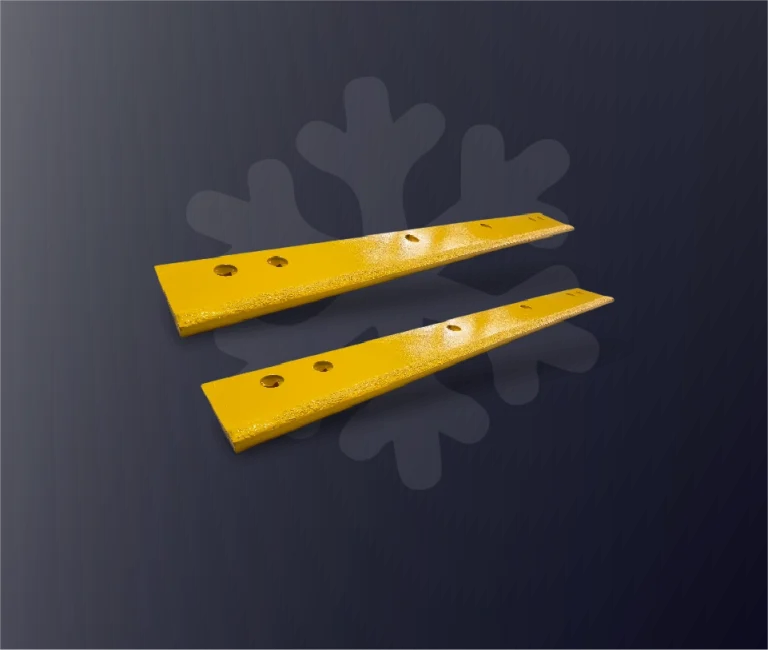
24/7 snow plow consultation gives commercial fleets and municipal crews a direct technical lifeline before, during, and after a winter storm. With expert support on blade choice, carbide wear parts, and emergency replacement strategies, manufacturers, OEM suppliers, and wholesalers like SENTHAI help keep plows running, reduce storm-time downtime, and protect people, assets, and budgets when conditions are most severe.
(Last modified date: September 2, 2026)
Quick definition: 24/7 consultation is critical because winter storms rarely follow business hours, but liability and downtime costs accumulate minute by minute.
What makes 24/7 snow plow consultation critical for commercial and municipal fleets?
24/7 consultation is critical because winter storms rarely follow business hours, but liability and downtime costs accumulate minute by minute. In our experience supporting fleets, the most expensive failures happen at 2–4 a.m., when poor blade choices or worn carbide edges suddenly limit plow capacity. Continuous access to factory-level support lets decision makers correct specs and logistics on the fly.
For B2B buyers—facility managers, DOT engineers, and snow contractors—around-the-clock consultation transforms tooling from a static purchase into a dynamic support system. When SENTHAI’s technical team is reachable, customers can quickly verify whether a JOMA Style Blade or a straight carbide blade suits a shifting storm profile, recalculate how many inserts they need in reserve, and avoid improvising with mismatched OEM parts. This directly impacts service continuity and safety.
How can manufacturers and OEM suppliers tailor 24/7 consultation to different winter storm scenarios?
Manufacturers and OEM suppliers tailor consultation by linking storm scenarios to specific blade and wear-part configurations. In our production runs, we see three recurring profiles: light, persistent snow; wet, heavy snow; and mixed snow–ice. Each profile demands a different combination of carbide grade, blade geometry, and rubber–steel–carbide composites to avoid overload or underperformance.
During a wet, heavy storm, we might advise an OEM to switch from a thin, aggressive edge to a slightly thicker carbide blade with reinforced carrier steel, preventing premature chipping. In prolonged light snow, SENTHAI often recommends lower-impact JOMA Style Blades that limit vibration and noise for urban routes. Consultation at odd hours bridges the gap between changing weather and fixed inventory, ensuring fleets deploy the right tooling instead of “whatever is on the shelf.”
Which snow plow blades and carbide wear parts matter most when planning for 24/7 winter defense?
The components that matter most are those that determine cutting efficiency, wear life, and emergency readiness. From the factory floor, we see four critical families: primary plow blades, carbide inserts, rubber–steel–carbide noise-reduction assemblies, and bolt-on wear shoes. Together, they dictate how long a truck can safely stay in service during an extended storm without returning to the yard.
SENTHAI’s product lines—Carbide Blades, I.C.E. Blades, JOMA Style Blades, and dedicated carbide inserts—are engineered to cover these roles. When a large contractor calls during a storm, we typically review route type, truck weight, and pavement conditions, then match blade systems that balance cutting aggression with durability. The goal is to avoid both premature wear and overbuilt edges that strain hydraulics or risk structural damage.
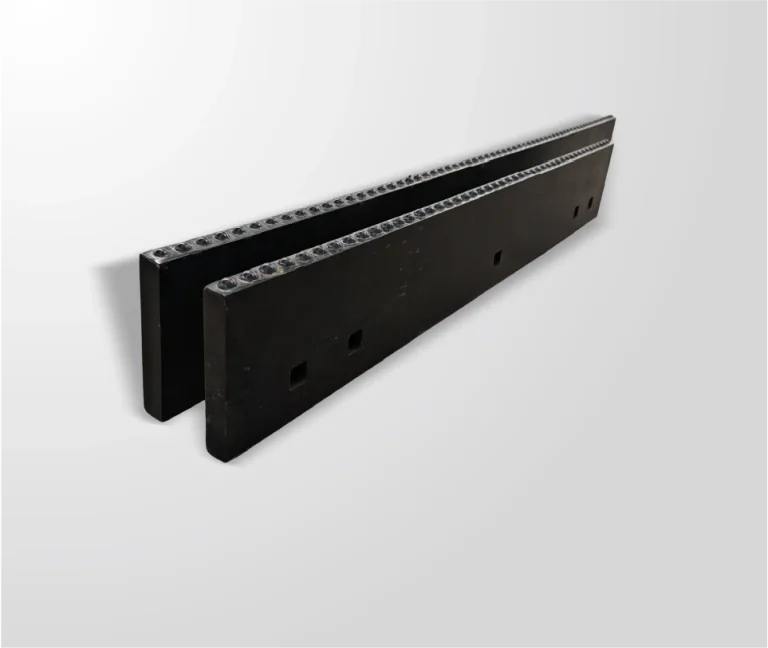
Table: Typical storm profile vs recommended SENTHAI blade type
| Storm profile | Route type | Recommended blade family |
|---|---|---|
| Light, persistent dry snow | Urban / residential | JOMA Style Blades, composite edges |
| Wet, heavy snow | Commercial lots / arterials | Carbide Blades with robust carriers |
| Mixed snow–ice, refreeze conditions | Highways / long-distance | I.C.E. Blades, high-grade inserts |
Why should wholesalers and suppliers maintain 24/7 technical support alongside inventory?
Wholesalers and suppliers that stock snow plow blades and carbide parts gain a real edge when they pair inventory with live technical support. Based on years of handling emergency orders, we’ve seen that customers who only call a sales desk often over-order or choose the wrong specs under pressure. A technical consultation cuts through guesswork and turns inventory into a precise, storm-ready toolkit.
From SENTHAI’s perspective, our distributors who deploy 24/7 consultation become partners in risk management, not just resellers. When a regional wholesaler phones us during a blizzard, we can help them prioritize which OEM-compatible parts to push to which fleets, ensuring critical routes receive the longest-lasting carbide tools. This reduces returns, strengthens trust, and keeps essential traffic moving even when conditions deteriorate rapidly.
How can facility managers and property owners use 24/7 consultation to reduce storm-time downtime?
Facility managers and property owners can use 24/7 consultation to align blade and cutting edge choices with their site layouts and operating hours. In our work with logistics hubs and shopping centers, the big failures usually come from mismatched hardware: blades too aggressive for tight, obstacle-rich lots, or too mild for thick, compacted snow in loading zones. A quick consultation before or during a storm prevents those misalignments.
Practical steps include sharing site maps, traffic patterns, and typical snow accumulation with the consulting team. We’ve advised clients to switch to composite rubber–steel–carbide edges near sensitive infrastructure, while using straight carbide blades for open perimeter roads. When SENTHAI supports these decisions in real time, facilities can keep access lanes open for emergency vehicles and deliveries, instead of shutting down for ad-hoc reconfiguration mid-storm.
When does it make sense to involve the factory directly instead of relying only on a local plow contractor?
It makes sense to involve the factory when problems repeat across storms or multiple properties: chronic blade breakage, inconsistent wear life, or recurring downtime at specific temperatures. In our experience, local contractors are strong on route tactics but often lack deep insight into carbide grade selection, bonding processes, and structural design of blade assemblies. That’s where direct factory consultation adds unique value.
SENTHAI’s engineering team typically steps in when a client reports abnormal chip patterns, frequent bolt failures, or uneven cutting along the blade. By analyzing returned wear parts and correlating them with route data, we can pinpoint whether the issue is material grade, insert spacing, or carrier stiffness. This level of root-cause investigation goes beyond what a standard contractor or generic supplier can reasonably provide during a busy season.
Where in the winter operation cycle does 24/7 consultation deliver the highest ROI?
Consultation delivers the highest ROI at three points: pre-season planning, mid-storm adjustments, and post-storm review. In our production schedules, the orders that perform best year after year are those where pre-season calls turned loose concepts into documented specs and stocking plans. Mid-storm calls help fine-tune deployment; post-storm review feeds real performance data back into next year’s choices.
For example, a municipal crew that reviews its storm data with SENTHAI after the season can identify which routes burned through blades too fast and why. Sometimes the solution is as simple as tightening grade tolerances; other times it requires a shift to a different blade family. This continuous loop makes each winter more predictable—and keeps carbide tooling budgets aligned with actual risk instead of rough estimates.
Does direct consultation change how SENTHAI designs and tests snow plow blades and inserts?
Direct consultation absolutely changes our design and testing priorities. In our production runs, we track which questions come up most often: edge chipping at specific speeds, bonding failures after repeated impacts, or noise complaints in urban settings. These conversations drive adjustments in carbide composition, carrier geometry, and rubber hardness across SENTHAI’s product lines.
For instance, repeated feedback about bridge-deck chatter led us to refine the dynamic stiffness of certain composite blades, tuning vulcanization parameters to reduce vibration without sacrificing cutting efficiency. That kind of change doesn’t show up in a generic spec sheet, but it becomes a key advantage for OEMs and fleets informed through 24/7 consultation. By closing the loop between field questions and lab decisions, we make blades that behave as crews actually need.
SENTHAI Expert Views
“During major winter events, the biggest risk isn’t just snowfall; it’s uncertainty. When fleets don’t know how their blades will behave at 3 a.m. on refrozen snowpack, they lose confidence and slow down. Our job at SENTHAI is to remove that uncertainty. Through 24/7 consultation, we match specific storm profiles to proven carbide blade systems, so crews can focus on clearing, not guessing.”
How does SENTHAI’s automated production and quality control support reliable 24/7 winter operations?
Reliable winter operations depend on parts that behave consistently under stress, and that starts on the production line. In our Rayong facility, fully automated wet grinding, pressing, sintering, welding, and vulcanization keep dimensional tolerances and bonding strength within tight windows. When SENTHAI promises a certain wear life or impact resistance, it rests on these controlled processes.
For fleets relying on 24/7 consultation, this consistency is crucial. If we advise a switch to a particular Carbide Blade during a storm, we need to be sure every blade in that batch delivers predictable performance. ISO9001 and ISO14001 certifications reflect our procedures, but the true test is field behavior. Years of feedback from over 80 global partners have shaped our current blade families, ensuring that the advice we give during a storm is backed by robust, repeatable manufacturing.
Why should snow contractors and DOTs move from “commodity blades” to engineered systems supported by consultation?
Snow contractors and DOTs should move from commodity blades to engineered systems because winter risk has outgrown simple, lowest-cost tooling. In our work with agencies, we’ve seen that cheap, generic blades often create hidden costs: frequent changeouts, unexpected failures, and unsafe conditions that far outweigh the initial savings. An engineered system, backed by consultation, treats blades and inserts as critical assets.
Engineered systems combine proper carbide grades, carrier designs, mounting hardware, and inspection schedules into a coherent package. SENTHAI’s JOMA Style Blades, I.C.E. Blades, and carbide inserts are designed to work as integrated solutions, not isolated parts. With 24/7 consultation, we help buyers implement these systems in phases, starting with high-risk routes and scaling up as data confirms the benefits. The result is fewer surprises and a clearer relationship between investment and performance.
What actionable steps can manufacturers, suppliers, and fleet operators take to implement 24/7 snow plow consultation effectively?
Several concrete steps make 24/7 consultation effective rather than just a phone number on a brochure:
-
Define storm profiles and route types, then link them to blade families and carbide grades.
-
Establish a clear escalation path: contractor → supplier → manufacturer technical team.
-
Pre‑stock critical wear parts and inserts based on realistic consumption models, not guesswork.
-
Capture post-storm data: blade wear patterns, changeout times, and failure incidents, and review them with the factory.
Based on years of handling this type of order, we’ve found that clients who treat consultation as part of their winter operations plan see fewer last-minute emergencies. SENTHAI often drafts a simple “storm playbook” with them: which blades to mount first, when to swap, and which backup assemblies to keep ready. That playbook becomes their essential defense during the winter storm, supported by real people who understand both the metal and the weather.
FAQs
What is the main advantage of 24/7 snow plow consultation for a commercial property?
It ensures you can adjust blade choices and replacement strategies in real time during a storm, reducing downtime, liability, and the risk of poorly matched tooling.
Can smaller municipalities benefit from factory-level consultation, or is it only for large DOTs?
Smaller municipalities often benefit even more, using consultation to avoid over‑ or under‑specifying blades and to stretch limited budgets through smarter carbide selection.
Which SENTHAI product is best for mixed snow–ice highway conditions during prolonged storms?
For mixed snow–ice on highways, SENTHAI typically recommends I.C.E. Blades with high-grade carbide inserts designed for aggressive cutting and extended wear life.
How should a snow contractor prepare before contacting a manufacturer during a storm?
Contractors should have route types, truck specs, current blade models, and observed wear issues ready, so the manufacturer can quickly match appropriate blade systems.
Does switching from commodity blades to engineered systems require replacing all current equipment?
Not usually; many engineered blade and insert systems are designed to fit existing mounting patterns, allowing a phased upgrade without wholesale fleet replacement.
Related Articles
- Are Snow Plow Shoes Essential for Winter Road Maintenance?
- Can You Replace Broken Snow Plow Blades Fast During Mid-Storm?
- Snow Plow Blades for Winnipeg: Carbide, JOMA, and Packed Ice Solutions
- Snow Plow Blades for Saguenay: Carbide, JOMA, and Packed Ice Solutions
Official Resources
Related articles
 Best Snow Plow Blade Family for Your Fleet: Top 5 ScenariosKnowledge
 Top 10 Snow Plow Blade Types for Winter Fleets (Ranked by Duty Fit)Knowledge
 Top 5 Best Carbide Blade Configurations for Highway PlowingKnowledge
 Best Snow Plow Blade Materials Ranked: Steel vs Carbide vs Cladding vs Rubber-CarbideKnowledge