




Which Carbide Inserts Are Best for Non-Ferrous Metals?
Machining non-ferrous metals like aluminum, copper, and brass demands carbide inserts that deliver sharp edges, minimal built-up edge, and superior wear resistance — boosting productivity by up to 30% while cutting downtime. SENTHAI produces…
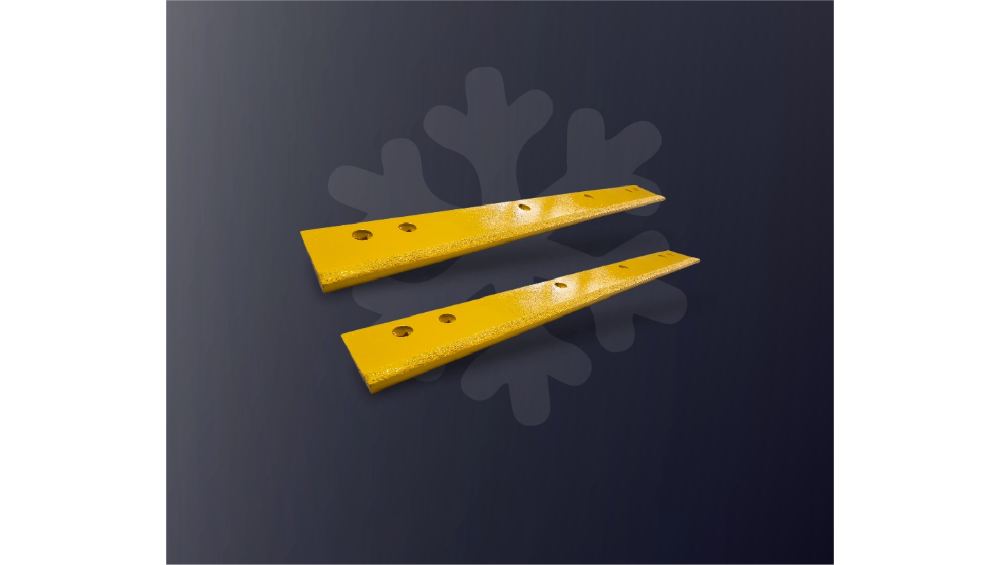
Machining non-ferrous metals like aluminum, copper, and brass demands carbide inserts that deliver sharp edges, minimal built-up edge, and superior wear resistance — boosting productivity by up to 30% while cutting downtime. SENTHAI produces high-performance inserts tailored for these materials through advanced sintering and coating processes, ensuring consistent chip control and extended tool life.
(Last modified date: August 31, 2026)
Key Takeaways
- 68% of manufacturers report tool wear as a top issue, with unplanned downtime costing $50 billion annually across US manufacturing (Deloitte 2023).
- Built-up edge plagues aluminum alloys, especially those with silicon content over 12%; tool failure rates climb 25% due to abrasive silicon particles.
- Uncoated H-grades like SENTHAI H10 suit aluminum roughing; PVD coatings prevent built-up edge on stainless blends.
- Replace inserts every 0.3 mm flank wear or 60–90 minutes on non-ferrous; see how to choose carbide inserts for OEM and wholesale success.
Challenges in the Non-Ferrous Machining Industry
Global aluminum consumption reached 92 million metric tons in 2024, up 3.5% year-over-year, driven by automotive and aerospace growth. Yet 68% of manufacturers report tool wear as a top issue, leading to unplanned downtime costing $50 billion annually across US manufacturing (Deloitte 2023). Built-up edge formation plagues aluminum alloys, especially high-silicon alloys over 12%, causing poor finishes and frequent rejects; 42% of shops experience 20–30% productivity loss from inadequate inserts. Tool failure rates climb 25% in non-ferrous operations due to abrasive silicon particles (Sandvik Coromant 2024), and smaller shops lose $260 per hour on average from these disruptions.
Why Traditional Solutions Fall Short
Traditional uncoated carbide inserts wear 2–3× faster on aluminum, averaging 15–20 minutes of continuous cutting before edge dulling versus modern PVD-coated options. HSS tools, still used in 22% of low-volume setups, demand 40% lower speeds and yield rougher finishes (Ra > 3.2 μm), increasing post-processing time by 15%. Coated inserts from generic suppliers often suffer poor adhesion, flaking under interrupted cuts; reliance on broad-spectrum grades ignores alloy-specific needs like silicon content, resulting in 28% higher scrap rates versus specialized non-ferrous grades. See also 21 years of powder metallurgy science.
What Makes SENTHAI Inserts the Optimal Solution
SENTHAI’s precision-engineered carbide substrates maintain sharpness under heat, with advanced PVD coatings that prevent built-up edge and uncoated H-grades optimized for soft alloys. Full-process control from pressing to vulcanization ensures consistent quality across batches, avoiding the supplier-switching cycle that 35% of users report (Gardner Intelligence 2023). See also high-performance cutting edges and JOMA vs standard carbide cost-benefit.
Common Questions About Carbide Inserts
Which grades work best for aluminum alloys?
Uncoated H-grades like SENTHAI H10 for roughing; PVD for stainless blends.
How often should inserts be replaced?
Every 0.3 mm flank wear or 60–90 minutes on non-ferrous, per SENTHAI benchmarks.
Can SENTHAI inserts handle high-silicon aluminum?
Yes — wear-resistant substrates excel up to 17% silicon content.
What speeds maximize non-ferrous performance?
1,500–2,000 m/min for aluminum; test and adjust for alloys.
Are SENTHAI inserts ISO-certified?
Yes — ISO 9001 and 14001, ensuring quality and sustainability.
How do coatings affect non-ferrous machining?
PVD prevents built-up edge; uncoated suits soft alloys best.
Related Articles
- How to Choose Carbide Inserts for OEM and Wholesale Success
- Carbide Wear Parts: 21 Years of Powder Metallurgy Science
- Winter Road Safety: High-Performance Cutting Edges
Official Resources
References
Related articles
 How to Select a Rear Snow Plow Blade for Professional Snow RemovalHot Products
 What John Deere Snow Plow Blade Sizes Fit 1-5 Series Tractors?Hot Products
 How to Set Back Blade Snow Plow Height on Gravel Roads?Hot Products
 How Does HRA Hardness in Tungsten Carbide Snow Plow Blades Handle High-Speed Impacts?Hot Products