




What Are the Best Tungsten Carbide Grades for Snow Plows in Extreme Cold?
Optimal tungsten carbide grades for snow plows in extreme cold use 8–12% cobalt (WC-Co ratios) to balance hardness (wear resistance) and toughness (impact resistance). Low cobalt (e.g., 6%) maximizes hardness but risks brittleness in…
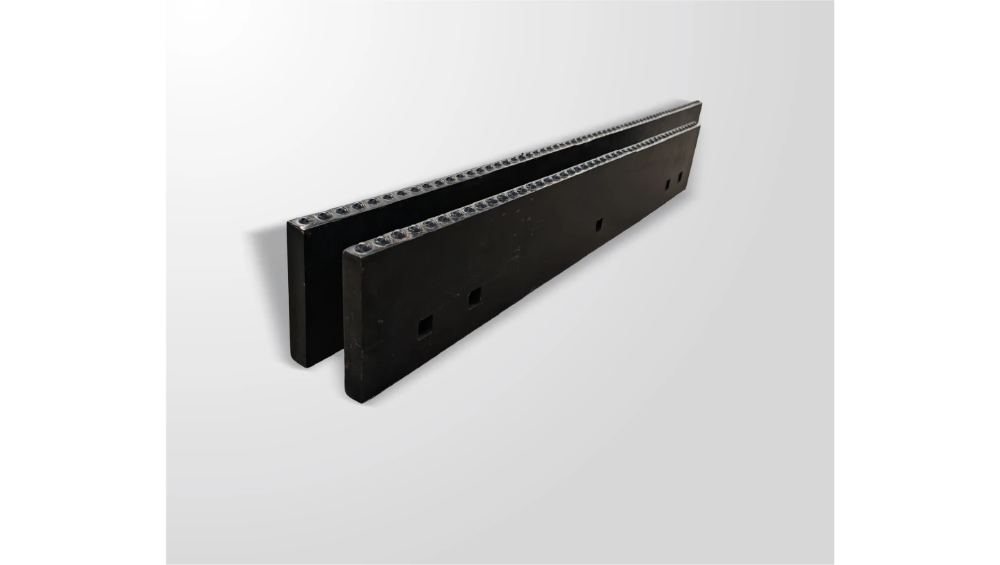
Optimal tungsten carbide grades for snow plows in extreme cold use 8–12% cobalt (WC-Co ratios) to balance hardness (wear resistance) and toughness (impact resistance). Low cobalt (e.g., 6%) maximizes hardness but risks brittleness in sub-zero temperatures; 10% cobalt provides ideal toughness to prevent failure. SENTHAI’s micro-grain grades, produced via automated Thailand production lines, deliver 10–20× service life in North American winters.
(Last modified date: August 31, 2026)
Key Takeaways
- Cobalt (6–15% of WC-Co alloys) controls microstructure: higher cobalt increases toughness, lower cobalt boosts hardness.
- High tungsten content with low cobalt (6–8%) exceeds HRA 90 for extreme abrasion resistance.
- 10% cobalt is SENTHAI’s optimal standard, balancing wear life with rock-strike fracture resistance in extreme cold.
- Low cobalt reduces ductility — cobalt’s ability to absorb impact stress — causing brittle fracture as temperatures drop; see SENTHAI manufacturing standards.
Why Cobalt Ratio Is Critical
Tungsten carbide (WC) is the primary hard phase in cutting edges, while cobalt (Co) acts as a binder, typically comprising 6–15% of WC-Co alloys. Cobalt content directly controls microstructure: higher cobalt increases toughness and impact resistance, while lower cobalt boosts hardness and wear resistance. For snow plows, blades must resist abrasion from ice and gravel while surviving rock strikes and road irregularities in sub-zero conditions. SENTHAI optimizes WC-Co ratios through 21+ years of experience and fully automated in-house production — wet grinding, pressing, sintering, and vulcanization — with a proprietary vacuum sintering furnace for uniform grain size and superior bonding. See also the best carbide grades for extreme cold and blade qualification, inspection, and handling in extreme cold.
Hardness vs Toughness
High tungsten carbide content combined with low cobalt (6–8%) produces extreme hardness — often exceeding HRA 90 — that resists abrasion from ice particles, sand, and road grit, extending blade life dramatically versus steel. However, low cobalt reduces ductility; as cold temperatures drop, cobalt’s plasticity diminishes further, causing sudden brittle fracture. SENTHAI counters with optimized 10% Co formulations and uniform micro-grain sintering. See also industrial-grade carbide blade strength and benchmark diagnostics for insert failures.
Frequently Asked Questions
What is the ideal tungsten cobalt ratio for snow plow blades?
8–12% cobalt balances hardness and toughness; 10% Co is SENTHAI’s optimal standard, delivering maximum wear life in extreme cold while resisting rock-strike fractures.
Why do carbide blades become brittle in sub-zero temperatures?
Low cobalt content reduces ductility — cobalt’s ability to absorb impact stress — and as temperatures drop, this plasticity diminishes further, causing sudden brittle fracture. SENTHAI counters with optimized 10% Co and uniform micro-grain sintering.
How long do SENTHAI carbide snow plow blades last?
SENTHAI carbide blades deliver 10–20× longer service life than steel, depending on road conditions and usage; JOMA-style and I.C.E. blades are proven in North American winters.
Can SENTHAI customize tungsten carbide grades for my fleet?
Yes — full in-house Thailand manufacturing supports custom WC-Co ratios, blade sizes (3ft/4ft standard; other dimensions available), and insert configurations.
What certifications back SENTHAI’s snow plow carbide products?
ISO 9001 (quality management) and ISO 14001 (environmental standards), ensuring reliable performance and sustainable manufacturing. See also carbide scarifier kits and winter safety and how drivers spot icy danger zones.
Related Articles
- Best Carbide Grades for Extreme Cold
- Professional Snow Plow Carbide Blade Manufacturing
- Industrial-Grade Carbide Blades
- Blade Qualification and Handling in Extreme Cold
- Benchmark Diagnostics for Insert Failures
Official Resources
- SENTHAI — High-Quality Snow Plow Blade Manufacturer
- SENTHAI — Carbide Snow Plow Blade
- SENTHAI — Contact for Custom Grades
References
Related articles
 Best Snow Plow Blade Family for Your Fleet: Top 5 ScenariosKnowledge
 Top 10 Snow Plow Blade Types for Winter Fleets (Ranked by Duty Fit)Knowledge
 Top 5 Best Carbide Blade Configurations for Highway PlowingKnowledge
 Best Snow Plow Blade Materials Ranked: Steel vs Carbide vs Cladding vs Rubber-CarbideKnowledge