
Pick spacing determines snow plow blade performance: 1-inch (tight) spacing excels on hard ice with...
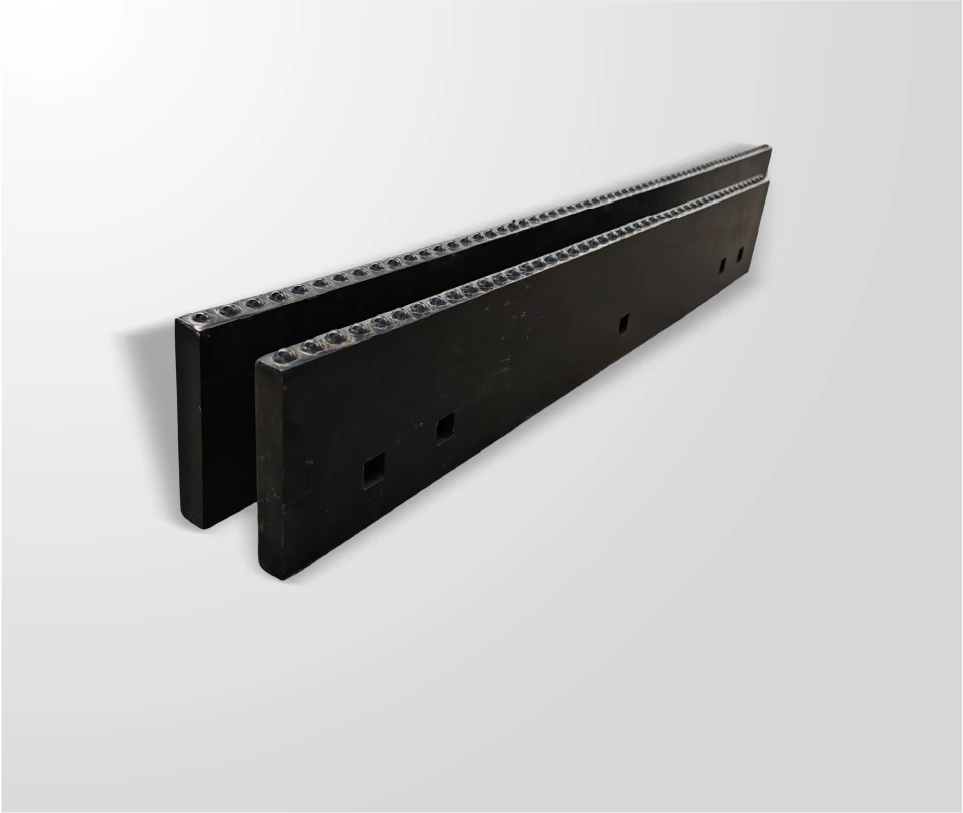
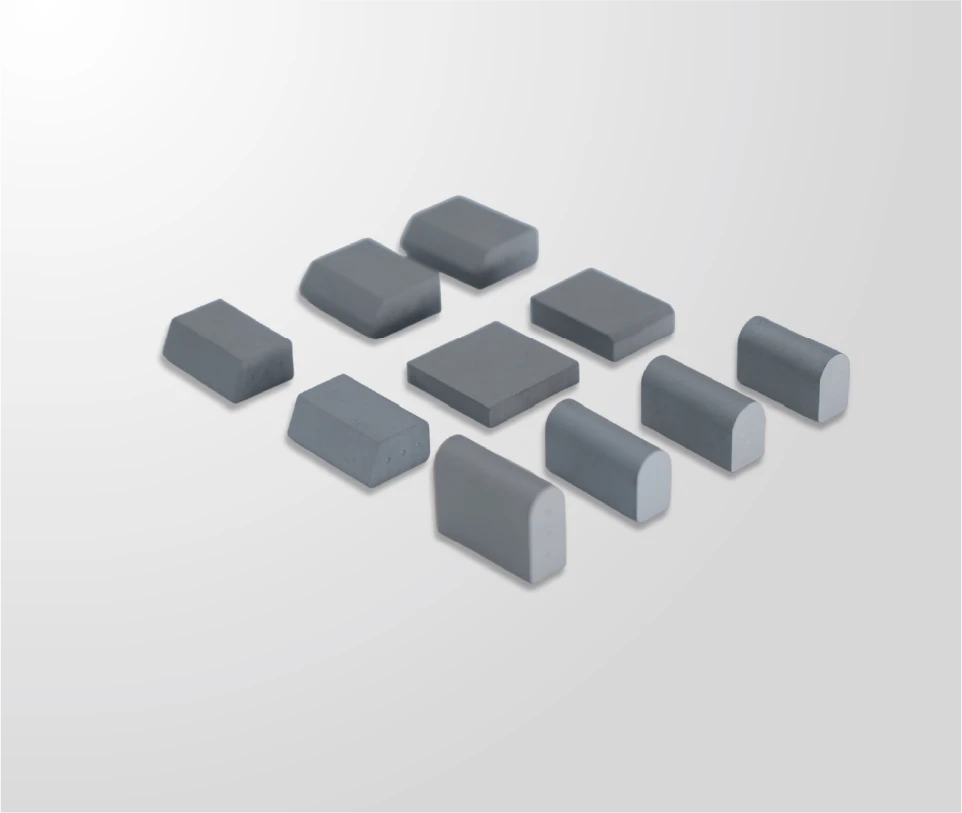
High-impact carbide inserts for snow plows achieve fracture toughness through vacuum-sintered tungsten carbide with 6-12%...
Ice kit wear indicators in SENTHAI I.C.E. blades signal carbide pick service limits through visual...
Cobalt binder tungsten carbide acts as a metallic “glue” that binds tungsten particles during sintering...
In carbide snow plow blades, 6% cobalt delivers superior hardness (92-94 HRA) for prolonged wear...
Cobalt leaching in carbide snow plow blades occurs when road salt and deicers corrode the...
JOMA-style carbide blades from SENTHAI have a 3-year TCO of about $1,200 per plow versus...
SENTHAI’s Joma Style carbide plow blades average 75–78 dB during operation, while standard steel blades...
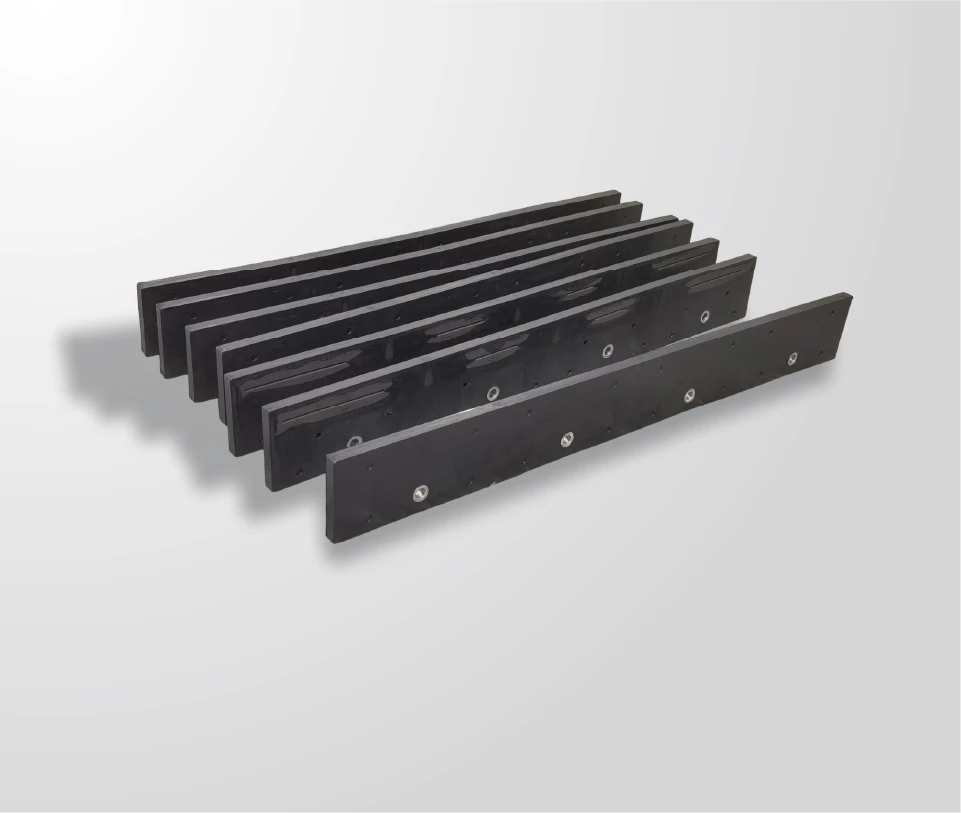
Joma-style blades from SENTHAI protect truck frames by absorbing road impacts through rubber-encased carbide inserts...
Joma blades stay cooler than steel due to their rubber-encased tungsten carbide construction, which minimizes...