




How to Identify and Replace Worn Carbide Snowplow Blades
Replace a carbide snowplow blade when you see gouges deeper than 1/8 inch, shattered inserts, rounded edges, or steel worn below 1/4 inch — catching wear early prevents moldboard damage and mid-storm downtime. This…
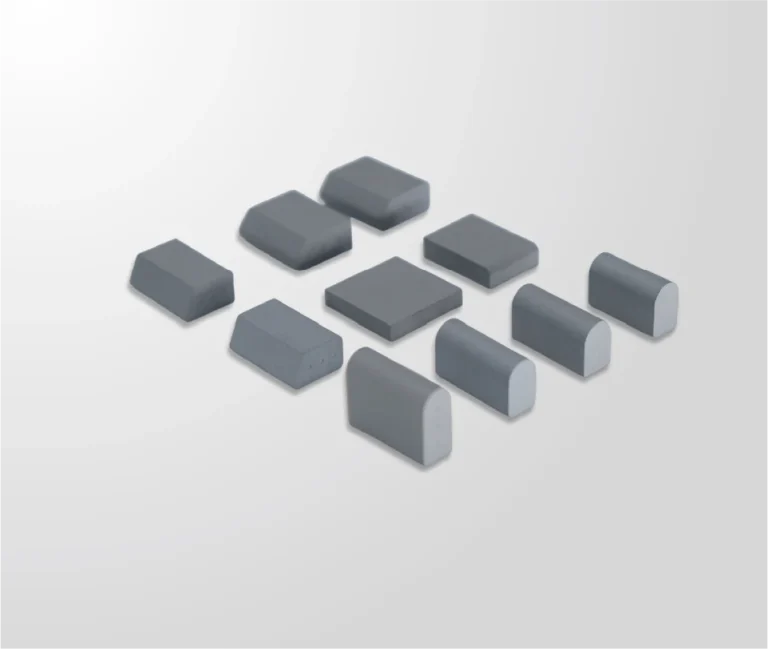
Replace a carbide snowplow blade when you see gouges deeper than 1/8 inch, shattered inserts, rounded edges, or steel worn below 1/4 inch — catching wear early prevents moldboard damage and mid-storm downtime. This guide covers visual inspection, measurement thresholds, and step-by-step replacement for carbide snowplow blades.
(Last modified date: September 2, 2026)
Quick definition: Mid-storm failures compound costs, so keep a spare edge per plow.
Key Takeaways
- Inspect for gouges deeper than 1/8 inch, shattered inserts, rounded edges, and braze-line separation after every storm.
- Replace when steel wears below 1/4 inch or carbide inserts erode past 50% of original height.
- Uneven “frown” or “smiley” wear shapes point to load or alignment issues worth correcting.
- Re-tipping worn carriers with new inserts is often cheaper than full-bar replacement.
Visual Inspection for Uneven Wear Patterns
Start by checking for uneven wear across the cutting edge. Look for gouges deeper than 1/8 inch, which often appear from gravel impacts or road crowning. Shattered carbide inserts signal immediate replacement, as cracks or chips expose the steel base to accelerated wear. Rounded edges instead of sharp angles mean the blade is nearing end-of-life and scraping efficiency on ice and slush drops. Examine the entire length when laid flat: a “frown face” shape shows center wear from heavy loads, while a “smiley face” shows end wear common on curved roads. Inspect braze lines between inserts and steel backing for separation — a key sign of failure under repeated stress. See re-tipping worn blades by replacing inserts in existing carriers for the cost-saving alternative.
Measurement Guide for Blade Thickness Safety
Use a caliper to check cutting-edge thickness. Replace when steel wears below 1/4 inch or carbide inserts erode beyond 50% of original height. This threshold maintains structural integrity during high-speed plowing on abrasive surfaces. The traditional “two-fingers” method works for quick checks: if less than two fingers fit between the blade and moldboard, it is time for replacement. Track wear at multiple points — ends, center, and curves — to catch uneven wear early. Blades thinner than 1/2 inch overall risk snapping under heavy snow loads, and insert height below 3/4 inch is generally past the safe limit. Uneven thickness beyond 1/16 inch variation signals alignment issues or plow guard problems. See also why sourcing carbide blades from Thailand reduces trade volatility.
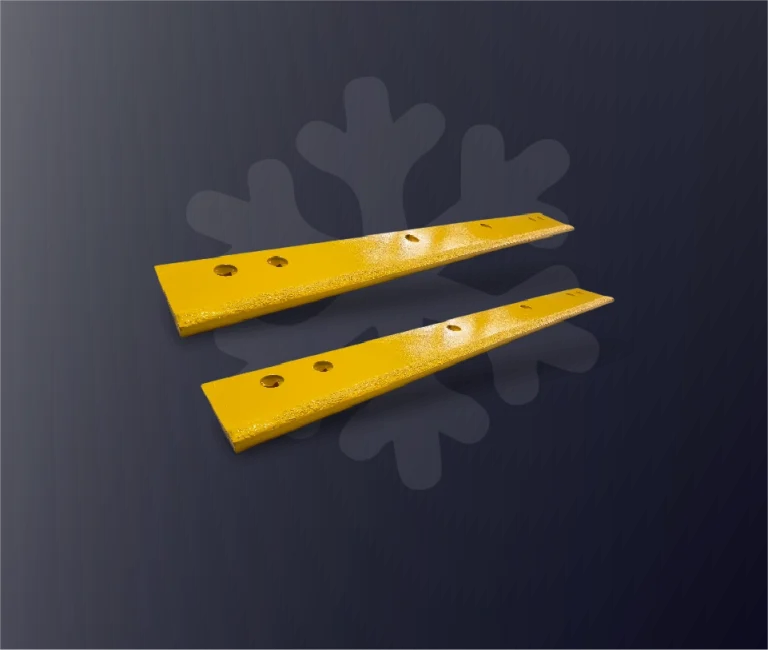
When Carbide Blades Need Urgent Replacement
- Reduced scraping performance or grinding noises during operation.
- Excessive vibration or play in the blade assembly, pointing to loose inserts.
- Visible steel contact at the cutting line where carbide has fully eroded.
- Cracked or missing segments on segmented edges.
Mid-storm failures compound costs, so keep a spare edge per plow. See which tractor snow plow blade suits your attachments when planning replacements across a mixed fleet.
Top Carbide Snowplow Blades Compared
| Blade Type | Wear Life | Replacement Trigger | Best For |
|---|---|---|---|
| Continuous carbide edge | High on smooth roads | Full-bar wear | Highway routes |
| Segmented carbide edge | Very high on rough roads | Section replacement | Gravel and cracked asphalt |
| Re-tipped carrier | Restored near-new | Insert-level wear | Fleet cost control |
Step-by-Step Carbide Blade Replacement Guide
- Park on level ground, chock the vehicle, and release hydraulic pressure from the lift and angle cylinders.
- Support the moldboard with a jack or stand before removing hardware.
- Remove bolts and shims in sequence, noting their original positions.
- Clean the moldboard face and bolt holes; replace damaged hardware.
- Fit the new blade, hand-start all bolts, then torque to the manufacturer’s spec in the correct sequence.
- Re-check skid shoe height and blade angle before the first pass.
Safety Protocols for Heavy Blade Changes
Blades weigh 50–150 lbs or more; use a second person or a hoist. Wear cut-resistant gloves and safety glasses, and never work under a raised plow without mechanical support. Dispose of worn carbide through a recycling program where available.
Core Technology in Carbide Snowplow Blades
SENTHAI builds blades through automated powder-to-weld production with robotic welding arms, ensuring consistent braze joints and insert retention. See how robotic welding elevates carbide blade quality. For grader duty, see choosing a cutting edge that survives grading duty.
Real User Cases and ROI Benefits
Fleets that inspect after every storm and replace at threshold catch wear before moldboard damage, which is the most expensive failure mode. Re-tipping worn carriers instead of buying full bars typically cuts edge cost per mile significantly on high-wear routes.
FAQs
How do I know my carbide snowplow blade is worn out?
Check for gouges deeper than 1/8 inch, shattered inserts, rounded edges, braze separation, or steel worn below 1/4 inch.
Can worn carbide blades be re-tipped instead of replaced?
Yes. If the steel carrier is still sound, worn inserts can be removed and replaced in the existing carrier at lower cost than a full bar.
How often should blades be inspected?
After every major storm, and at least weekly during continuous operations; always inspect after hitting a hard object.
What happens if I keep using an over-worn blade?
The steel base and moldboard take the abrasion, leading to premature frame wear, poor scraping, and costlier repairs.
Related Articles
- Re-Tipping Worn Blades
- Robotic Welding in Snowplow Factories
- Motor Grader Snow Blades
- Sourcing Carbide Blades from Thailand
Official Resources
- SENTHAI — Carbide Snow Plow Blades
- SENTHAI — Replaceable Carbide Inserts
- SENTHAI — Contact for Replacement Guidance
References
- SENTHAI blade wear inspection documentation and fleet service data, 2026.
- Manufacturer-recommended wear limits for carbide-inserted snowplow blades.
Related articles
 How to Select a Rear Snow Plow Blade for Professional Snow RemovalHot Products
 What John Deere Snow Plow Blade Sizes Fit 1-5 Series Tractors?Hot Products
 How to Set Back Blade Snow Plow Height on Gravel Roads?Hot Products
 How Does HRA Hardness in Tungsten Carbide Snow Plow Blades Handle High-Speed Impacts?Hot Products