




Pulldozer Scraper Blade Upgrades: Maximizing Efficiency With High‑Wear Parts
When you push snow, ice, gravel, or compacted slush with a pulldozer scraper blade, cutting edge performance directly determines whether your operation runs smoothly or bleeds time and money through unplanned stops. In modern…
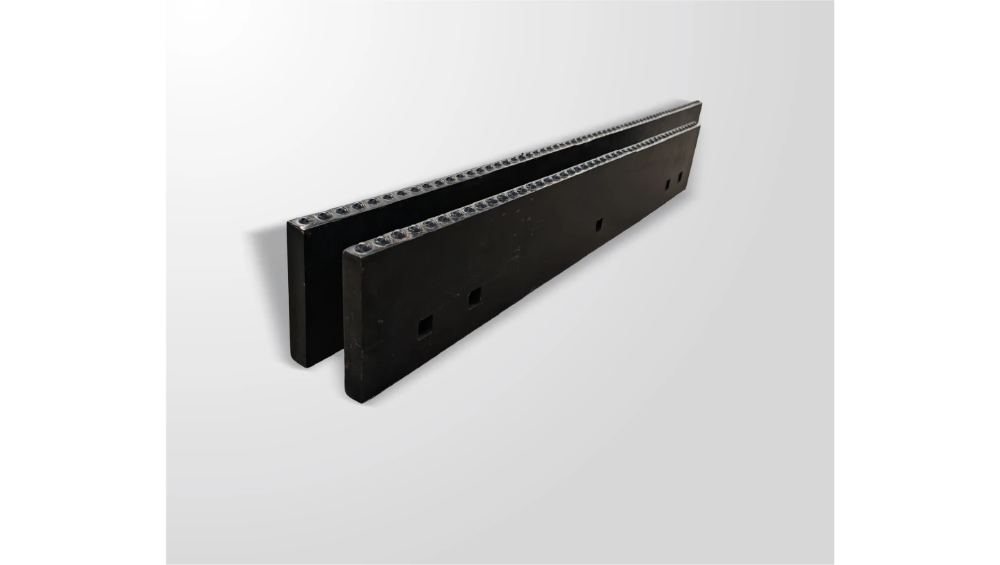
When you push snow, ice, gravel, or compacted slush with a pulldozer scraper blade, cutting edge performance directly determines whether your operation runs smoothly or bleeds time and money through unplanned stops. In modern fleets, the fastest way to maximize efficiency is to align pulldozer blades, carbide cutting edges, and high‑wear parts with actual ground conditions, then manage them as a lifecycle investment instead of a consumable cost.
Why Pulldozer Scraper Blades Are the Heart of Your Operation
Every pulldozer scraper blade converts engine power into ground engagement, turning hydraulic force into real-world productivity at the cutting edge. For snow removal, road grading, or yard cleanup, the blade must cut, carry, and clear without chattering, chipping, or rolling over hard-packed material. When operators complain about poor scraping, noisy vibration, or streaks of ice and snow left on the surface, the root cause is often a worn or mismatched pulldozer scraper blade rather than the machine itself.
Traditional carbon steel pulldozer blades can work well in light, intermittent duty, but they wear quickly in abrasive conditions, especially on salted highways, airport pavements, urban intersections, or gravel roads. Each time you stop the pulldozer to flip, rotate, or change an edge, you pay for lost time, extra labor, and increased risk of maintenance delays. Upgrading to engineered high‑strength carbide cutting edges is therefore less about buying a tougher blade and more about stabilizing uptime across an entire season.
Market Trends: From Basic Steel to High‑Wear Carbide Pulldozer Blades
Across North America, Europe, and high‑snowfall regions in Asia, there has been a clear shift from standard steel pulldozer scraper blades to high‑wear carbide systems. Municipalities and contractors now routinely track cost per plow hour or cost per kilometer cleared, and they quickly see that a low upfront blade price can hide high total lifecycle cost. Fleets that once accepted frequent edge changes and welding repairs as normal are now benchmarking uptime and comparing carbide pulldozer blades across multiple seasons.
Industry surveys and fleet case studies show several common trends. First, high‑wear carbide edges are delivering two to five times the service life of basic steel edges in abrasive winter conditions. Second, operators report smoother scraping with less chatter when using optimized carbide pulldozer scraper blade profiles that keep consistent contact with the road while resisting impact damage from manholes, joints, and packed ice. Third, maintenance teams are rethinking inventory: instead of stocking many low‑cost edges, they keep a smaller number of premium carbide blade kits and invest in better planning, data tracking, and installation procedures.
How High‑Strength Carbide Pulldozer Blades Cut Downtime
To understand how carbide pulldozer scraper blades reduce downtime, break the problem into three parts: wear life, changeover frequency, and maintenance complexity. On a traditional steel cutting edge, the contact surface erodes quickly under sand, grit, and salt, thinning the edge to the point where it rounds over and starts to ride on ice instead of cutting through it. At that point, operators must stop the pulldozer, loosen bolts, remove the old edge, and either rotate or replace the blade. This cycle repeats multiple times each season.
High‑strength carbide inserts fundamentally change this equation. The carbide segments, brazed or mechanically supported in a steel holder, provide a cutting surface with much higher hardness and abrasion resistance, greatly slowing wear in the primary contact zone. Because the carbide maintains thickness and profile over longer hours, the pulldozer scraper blade keeps scraping effectively without constant adjustment. Fewer blade changes mean fewer unplanned stops, more hours of productive plowing per shift, and lower risk that a storm catches the fleet mid‑maintenance.
Core Technology: Inside a High‑Wear Carbide Pulldozer Scraper Blade
Modern high‑wear pulldozer blades are engineered systems rather than simple steel bars. At the core is a carefully selected tungsten carbide grade, chosen for hardness, toughness, and resistance to thermal shock from friction heating and sub‑zero air temperatures. Fine grain carbide structures deliver a dense, wear‑resistant cutting edge that stands up to constant scouring by aggregates, road sand, and anti‑skid materials.
The steel backing and blade profile are equally important. A well‑designed pulldozer scraper blade integrates the carbide segments into a robust base that can flex slightly under impact without cracking or debonding the inserts. Optimized profiles—such as bevelled, chamfered, or wave‑form edges—support the carbide in the right orientation to the road, balancing aggressive cutting with controlled contact pressure. In many pulldozer blades, rubber or polyurethane elements further help absorb vibration and protect both the equipment and road surface, especially on sensitive pavements like airport runways or decorative urban streets.
How Pulldozer Scraper Blade Design Affects Efficiency
Three design choices dominate pulldozer scraper blade efficiency: edge profile, mounting pattern, and blade width or segmentation. Edge profile dictates how the blade meets the road. Flat edges can be stable but may ride over ice, while bevelled or wave‑form carbide pulldozer blades slice through compacted layers more effectively and self‑sharpen as they wear. Selecting the right profile for local conditions—powder snow, wet slush, black ice, or mixed sand and salt—is one of the fastest ways to improve performance.
The mounting pattern of the pulldozer scraper blade also affects uptime. Blades with standardized bolt holes and reinforced end sections make field changes faster and reduce the risk of cracked corners. Modular segmented pulldozer blades allow operators to replace only the worn sections—often near the truck’s wheel paths—rather than swapping out the entire edge. Finally, matching blade width and segmentation to plow size, contour, and carrier machine improves scraping uniformity, minimizes uneven wear, and reduces fuel use by avoiding extra passes.
SENTHAI Company Background and Manufacturing Strength
SENTHAI Carbide Tool Co., Ltd. is a US‑invested manufacturer based in Rayong, Thailand, specializing in snow plow blades and road maintenance wear parts. With over two decades of carbide production experience, the company operates fully automated grinding, pressing, sintering, welding, and vulcanization lines, ensuring reliable quality, strong bonding strength, and consistent high‑wear resistance across pulldozer blades and carbide inserts.
Top High‑Wear Pulldozer Scraper Blade Solutions
Different pulldozer scraper blade designs solve different operational problems, from aggressive ice cutting to quiet, surface‑friendly scraping in urban settings. The following table illustrates typical categories of blades and how they are applied in pulldozer and snow plow operations.
When choosing among these pulldozer blades, consider not only material and profile but also how well each option integrates with your mounting hardware, plow moldboard, and hydraulic system. Even the best carbide cutting edge will underperform if the pulldozer scraper blade is misaligned or mounted with loose fasteners.
Competitor Comparison Matrix: Basic Steel vs Carbide Pulldozer Blades
To justify the shift from low‑cost edges to high‑wear carbide pulldozer scraper blades, maintenance managers must compare real operational metrics. The matrix below illustrates typical differences that fleets observe over a winter season.
By focusing on service life, downtime, and quality of scrape rather than unit price, it becomes immediately clear why fleets that adopt engineered carbide pulldozer blades often report measurable cost savings within a single season.
Maintenance Strategies to Maximize High‑Wear Pulldozer Blade Life
Even the most robust pulldozer scraper blade depends on disciplined maintenance to realize its full potential. A structured maintenance plan should start with regular inspection of blade wear, fasteners, and mounting shoes. Technicians should look for thinning edges, chipped carbide segments, cracked corners, and loose bolts that could lead to edge failure or uneven scraping.
Rotating or indexing certain blade designs at defined wear thresholds can extend life by distributing wear along the entire edge. Cleaning the contact surfaces between the pulldozer blade and moldboard each time you swap blades helps maintain proper seating and reduces stress concentrations. Lubricating key pivot points, checking angling mechanisms, and confirming the correct plow attack angle ensure that the pulldozer scraper blade carries its load evenly and avoids premature wear on one side.
Real User Cases: Quantifying ROI From Carbide Pulldozer Blades
Operators who track their numbers before and after switching to high‑wear carbide pulldozer scraper blades often report significant returns. Consider a municipal fleet running several pulldozer‑type plows on highways and large arterials. Under a steel‑edge program, each truck might require several blade changes in a tough winter, with each change consuming an hour or more of workshop time and delaying plowing during peak demand.
After upgrading to engineered carbide pulldozer blades, the same fleet might cut annual blade changes by half or more. When plows stay out longer with fewer interruptions, crews can complete routes on schedule, avoid overtime spikes, and improve public satisfaction with road conditions. The ROI shows up in reduced edge purchasing, lower labor costs for maintenance, less unplanned downtime, and often in lower fuel use due to fewer passes required per storm.
Another common scenario involves contractors clearing high‑value sites like airports, distribution centers, or large retail complexes with pulldozer scraper blades mounted on loaders or trucks. In these environments, a single breakdown can jeopardize safety or disrupt business operations. By standardizing on extreme‑wear carbide pulldozer blades, contractors gain predictable performance, lower risk of mid‑storm failures, and a more stable basis for long‑term service contracts and pricing.
How to Select the Right Pulldozer Scraper Blade for Your Conditions
Choosing the ideal pulldozer scraper blade for a specific route or region starts with understanding the dominant conditions. For regions with frequent powder snow and lighter traffic, a less aggressive carbide or steel edge may be sufficient. For coastal or high‑traffic zones where salt, abrasives, and freeze‑thaw cycles produce hard pack and rutted ice, a more aggressive, high‑strength carbide pulldozer blade is usually necessary.
Key selection factors include snowfall type and frequency, use of road salt and abrasives, surface type (asphalt, concrete, pavers, or specialty pavements), typical plow speed, and plow configuration (straight blade, V‑blade, or winged setup). Blade designers and technical teams can match carbide grade, profile, and backing design to these factors, recommending specific pulldozer blades for front plows, underbody scrapers, and rear pull plows. Purchasing teams should combine this technical input with total cost analyses that incorporate blade price, expected hours of service, and estimated downtime reduction.
Pulldozer Scraper Blades for Road Maintenance Outside Winter
While snow and ice control dominate the discussion, pulldozer scraper blades also play a critical role in off‑season road maintenance. Underbody scrapers and grader‑style pulldozer blades shape gravel roads, reclaim shoulders, eliminate ruts, and remove thin asphalt layers or packed debris. In these applications, the combination of high‑wear carbide and robust backing steel allows the blade to handle both impact and abrasion for extended periods.
For mixed fleets that use the same pulldozer scraper blade carriers year‑round, the ability to rely on one family of high‑wear carbide blades across seasons simplifies inventory and training. Operators learn how each pulldozer blade profile behaves on different surfaces, and maintenance teams develop consistent inspection and replacement routines, further reducing downtime and unexpected failures.
Operator Best Practices to Unlock Blade Efficiency
Even the best pulldozer scraper blade can underperform if operators use incorrect technique. Attack angle is crucial: an angle that is too aggressive can cause excessive wear and chipping, while a shallow angle can cause the pulldozer blade to ride over ice instead of cutting it. Training operators to adjust angle according to conditions—soft snow, wet slush, compacted ice, or gravel—extends the life of high‑wear carbide edges and delivers cleaner surfaces.
Speed also matters. Running a pulldozer scraper blade too fast over rough surfaces increases the risk of impact damage from hidden obstacles. Operators should be trained to read road conditions, adjust speed in high‑risk zones, and use the right pulldozer blades for different segments of the route. Awareness of sound and vibration cues can help drivers detect when an edge is wearing unevenly or encountering issues long before a visual inspection would reveal problems.
Environmental and Sustainability Benefits of High‑Wear Pulldozer Blades
High‑wear carbide pulldozer scraper blades not only reduce downtime and operating costs but can also support broader sustainability goals. Longer blade life means fewer edges manufactured, transported, and scrapped over the same time period. Reduced blade change frequency lowers vehicle miles traveled to workshops and reduces the number of spare blades that must be stored and handled.
Because optimized pulldozer blades often clear roads more efficiently with fewer passes, they can also contribute to lower fuel consumption and reduced emissions from snow removal and road maintenance operations. Some fleets report that better scraping performance allows them to adjust salt application, helping to mitigate environmental impacts on waterways and roadside vegetation without compromising safety.
Future Trends: Smarter Pulldozer Scraper Blades and Data‑Driven Maintenance
Looking ahead, pulldozer scraper blade technology is moving in the direction of smarter materials, better integration with equipment sensors, and data‑driven maintenance. One emerging trend is the use of advanced carbide formulations and bonding processes that further balance hardness and toughness, reducing the risk of brittle failure while maintaining long wear life. Another is improved rubber and composite interfaces that reduce noise and vibration and protect both the blade and the surface.
Digital maintenance systems are also transforming how fleets manage pulldozer blades. By logging blade hours, route types, and observed wear patterns, maintenance teams can forecast when each pulldozer scraper blade will need replacement and schedule changes in off‑peak periods. Over time, this data can guide more precise selection of carbide grades and blade profiles for each route, turning the pulldozer blade fleet into a strategically optimized asset instead of a collection of generic consumables.
FAQs About Pulldozer Scraper Blades and High‑Wear Parts
What are the best high‑wear parts for pulldozer scraper blade upgrades?
Upgrade with hardfaced cutting edges, carbide‑tipped teeth, reversible scraper edges, and heavy‑duty end bits to maximize wear resistance and cutting efficiency in harsh scraping conditions. These high‑wear parts reduce downtime and extend blade life while maintaining consistent material penetration and cycle times.
How do carbide‑insert blades improve scraper efficiency?
Carbide‑insert cutting edges deliver superior abrasion resistance in rocky, frozen, or heavily compacted soils, significantly reducing edge wear and replacement frequency. This keeps the scraper blade geometry consistent, improves material fill into the bowl, and lowers cost per yard over thousands of operating hours.
Which scraper blade upgrades reduce downtime and maintenance costs?
Replace standard edges with reversible scraper edges, carbide‑impregnated wear plates, and bolt‑on toothed cutters so you can flip or rotate them when wear reaches the midpoint. This extends service life between changes, cuts labor time, and lowers overall maintenance cost while preserving cutting performance.
How do you choose the right scraper edge configuration for different ground conditions?
Opt for toothed or serrated scraper edges in hard, rocky, or frozen soils to enhance penetration and reduce resistance, and use smooth, high‑hardness edges for abrasive haul roads or fine material grading. Matching edge configuration and hardness to soil type maximizes efficiency and blade life.
What role do end bits and wear plates play in pulldozer scraper blade upgrades?
Heavy‑duty end bits protect the blade corners from high‑impact blows and abrasion, while hardened wear plates shield the moldboard and apron contact areas. Together they extend blade service life, minimize deformation, and maintain consistent cutting geometry for smoother, more efficient scraper passes.
How can carbide wear parts help maximize productivity in heavy‑duty snow and road maintenance?
Carbide‑tipped edges, inserts, and wear plates outlast standard steel in snow plow blades and road maintenance equipment, delivering longer run times between repairs. This reduces changeover stops, keeps equipment in operation, and improves overall project efficiency in high‑volume snow removal and pavement work.
What are the key benefits of fully integrated carbide tool systems from manufacturers like SENTHAI?
A fully integrated carbide system from SENTHAI ensures consistent material quality, precision fit, and optimized wear‑life profiles across scraper blades, cutting edges, and wear inserts. This integration simplifies sourcing, reduces compatibility issues, and supports long‑term cost savings in high‑wear applications.
How often should scraper blade high‑wear parts be inspected and rotated?
Inspect cutting edges, end bits, and wear plates every 50–100 operating hours in severe conditions, and rotate or flip reversible edges once wear reaches about one‑third of thickness or the wear line approaches the center. Regular inspection prevents sudden failures and maintains peak scraping efficiency.
Conversion Funnel: From Awareness to Implementation
If you are just beginning to evaluate pulldozer scraper blade performance, start by tracking downtime, number of blade changes, and cost per cleared kilometer on your current edges. This simple awareness step helps you quantify how much unplanned maintenance and inefficient scraping are costing your fleet each season. Even a rough estimate will highlight whether your current pulldozer blades are limiting productivity.
Once you recognize the opportunity, move into consideration by comparing standard steel edges, generic carbide blades, and engineered high‑wear pulldozer scraper blades designed for your climate and surface types. Talk with your operators and maintenance staff about recurring problems such as chipping, chatter, or poor ice removal, and map these issues to specific blade designs and carbide technologies. At this stage, focus on total lifecycle value rather than unit price alone.
Finally, move to action by selecting one or two representative routes and implementing a controlled trial of high‑wear carbide pulldozer scraper blades. Monitor service life, downtime, blade change frequency, fuel use, and operator feedback over the course of a season. Use these results to build a business case for broader rollout, aligning procurement, operations, and maintenance around a pulldozer blade strategy that maximizes efficiency, reduces risk, and delivers consistent, high‑quality road and surface conditions.
Related articles
 How to Select a Rear Snow Plow Blade for Professional Snow RemovalHot Products
 What John Deere Snow Plow Blade Sizes Fit 1-5 Series Tractors?Hot Products
 How to Set Back Blade Snow Plow Height on Gravel Roads?Hot Products
 How Does HRA Hardness in Tungsten Carbide Snow Plow Blades Handle High-Speed Impacts?Hot Products