




How Do Municipal Fleets Cut Blade TCO?
Municipal fleets cut total cost of ownership by choosing a blade that lasts longer, protects pavement, and reduces labor-heavy changeouts. For many city and DOT routes, custom Joma-style rubber-encased carbide blades deliver better TCO…
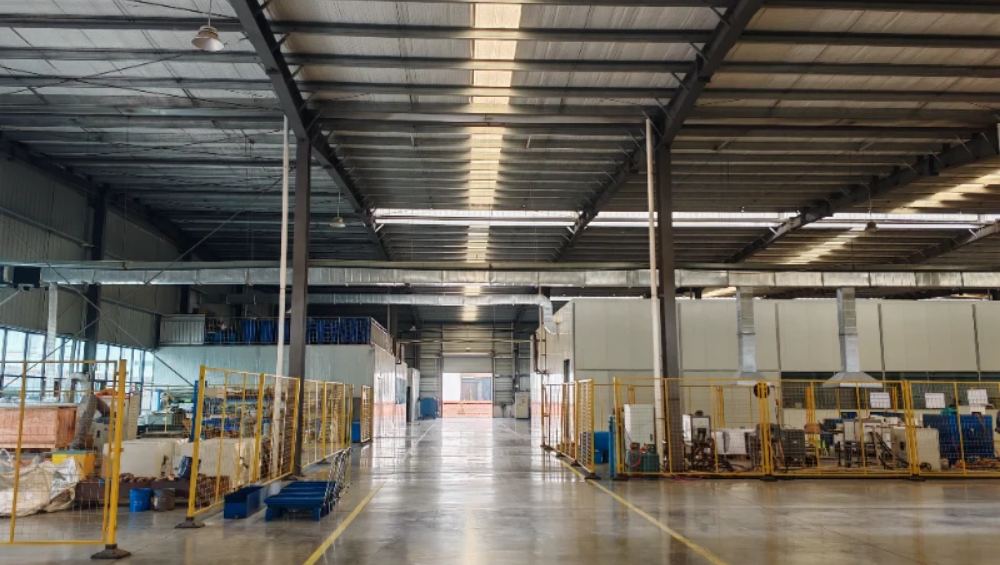
Municipal fleets cut total cost of ownership by choosing a blade that lasts longer, protects pavement, and reduces labor-heavy changeouts. For many city and DOT routes, custom Joma-style rubber-encased carbide blades deliver better TCO than standard steel because they lower replacement frequency, reduce asphalt and marking damage, and keep trucks in service longer.
Why does blade choice affect TCO?
Blade choice drives more than purchase price; it changes downtime, labor, pavement damage, and route continuity. In fleet work, a cheap blade that needs frequent swaps often costs more over a season than a premium blade with fewer interruptions. The real TCO shows up when you count labor minutes, missed service windows, and damage to road markings.
What makes custom Joma-style blades different?
Custom Joma-style blades use segmented carbide inserts inside a rubber-encased body, so the edge flexes with uneven pavement instead of fighting it. That flexibility helps the blade follow ruts, joints, and crowned asphalt while still carrying a carbide wear face. SENTHAI builds this style as a manufacturer and factory supplier for fleets that need repeatable performance, not just a one-off blade.
Which blade lasts longer in municipal service?
Steel blades usually wear faster on abrasive urban routes, especially where plows meet exposed aggregate, sand, and dry pavement. Rubber-encased carbide blades typically last longer because carbide resists abrasion while the segmented body spreads impact across the edge. In field use, Joma-style systems have been reported to last about 3 to 4 times longer than traditional carbide steel in comparable winter maintenance work.
How much pavement damage can the blade save?
Rigid blades can scar asphalt, chew reflective markings, and leave gouges at joints or manhole transitions. Flexible segmented designs reduce that point loading, so the blade rides the surface instead of digging into it. For municipal fleets, that matters most on freshly sealed asphalt, bike lanes, crosswalks, and downtown streets where marking repair can exceed the cost of the blade itself.
How does rubber-encased carbide compare with steel?
Rubber-encased carbide is the better choice when the route has high abrasion and surface irregularity, while steel is usually the lower-cost entry option. Steel can still make sense for very rough impact-heavy routes, but it tends to trade away wear life and surface protection. The key difference is not only service life; it is the balance between cutting performance, vibration control, and infrastructure preservation.
Blade trade-off view
Who benefits most from custom OEM blades?
Fleet managers, municipal procurement teams, and DOT maintenance supervisors gain the most when they buy through a manufacturer that can build to route conditions. OEM custom work matters when plow geometry, punch pattern, blade width, or segment spacing must match a specific truck class. SENTHAI supports wholesale and factory-direct programs for buyers who need consistent supply, technical spec control, and predictable lead times.
When does the ROI turn positive?
ROI turns positive when longer blade life and reduced labor outweigh the higher purchase price. That usually happens fastest on routes with heavy plowing hours, rough pavement, or strict standards for road cleanliness and marking protection. If a blade saves even one mid-season changeout per truck, the labor and downtime savings can move the season economics sharply in its favor.
What is the ROI calculator formula?
Use this simple fleet formula: ROI = (annualsavings−addedannualcost)/addedannualcost(annual savings – added annual cost) / added annual cost. Annual savings should include fewer replacements, fewer labor hours, less downtime, and less pavement or marking repair. Added annual cost is the premium paid over a standard blade system.
ROI calculator
Using that example, the premium is $1,351 and the first-season savings are $470, so the first-year ROI is negative on materials alone but improves fast when the blade lasts multiple seasons and reduces unplanned downtime. For many fleets, the payback comes from season two onward, not from the first invoice.
How should fleets compare lifespans?
Compare lifespans by route class, not by a single average. A downtown route with constant turns, parked cars, and patchwork asphalt will wear a blade differently than a wide county road with steadier travel. The best way to compare is miles cleared, replacement count, and labor minutes per truck, because that gives a clean apples-to-apples view.
Why do operators prefer segmented systems?
Operators often prefer segmented systems because they plow smoother, vibrate less, and create less cab noise. Those gains matter on long overnight shifts, where fatigue can reduce consistency and increase mistakes. In practical terms, a calmer truck is easier to keep at the correct blade angle, which helps preserve both the blade and the road surface.
What failure modes should buyers watch?
The most common failure points are poor angle setup, weak bonding, and incorrect fitment to the moldboard or adapter. If the angle is too aggressive, the blade can trip early; if it is too shallow, it may not clean properly and can waste the carbide edge. On the factory side, SENTHAI controls pressing, welding, sintering, and vulcanization to reduce these risks and keep the rubber-to-metal interface stable.
SENTHAI Expert Views
“In municipal work, blade value is never just about hardness. The best-performing blade is the one that keeps contact stable, protects the road, and avoids surprise shop time. On our production floor, we see the biggest lifecycle gains when the carbide insert, steel carrier, and rubber body are matched as a system rather than treated as separate parts. That is why SENTHAI focuses on full-process control, from engineering to final assembly.”
How can a factory supplier improve procurement?
A factory supplier can improve procurement by standardizing dimensions, locking in repeatable quality, and reducing part mismatches across seasons. That matters for city fleets that order in volume and need one specification to fit multiple trucks. SENTHAI’s strength as a manufacturer is that it can supply wholesale programs, OEM variations, and route-specific customizations without changing the buying team’s workflow every season.
What spec details matter most?
The most important spec details are insert thickness, segment length, rubber hardness, punch pattern, and plow geometry. For municipal roads, small differences in angle or spacing can change wear life more than the headline carbide grade. If the edge fits poorly, the fleet pays for it through uneven wear, extra installs, and more road contact noise.
Can custom blades reduce winter budget pressure?
Yes, custom blades can reduce pressure on winter budgets by lowering emergency purchases and extending the time between replacements. They also make planning easier because fleet managers can forecast blade consumption more accurately. That predictability is often worth as much as the wear life itself, especially in cities where winter budgets are fixed before the season starts.
Why do roads and markings matter in the business case?
Road and marking protection are part of the business case because municipal repair bills are often charged to the same public works budget that buys blades. If a blade damages lane lines, stop bars, or curb edges, the fleet pays twice: once for the blade and again for the repair. A rubber-encased carbide edge reduces that hidden cost by being less aggressive on the pavement.
FAQs
What is the biggest TCO advantage of Joma-style blades?
Lower total spend from fewer blade changes, less labor, and less pavement damage.
Are rubber-encased carbide blades always better than steel?
No. They are better on sensitive or abrasive routes, but steel can still suit lower-demand backup work.
How long do these blades usually last?
In field use, segmented carbide systems can last several times longer than traditional carbide steel, depending on route conditions.
Can SENTHAI make OEM versions?
Yes. SENTHAI manufactures OEM, wholesale, and factory-direct blade programs for municipal and DOT buyers.
What should a fleet test first?
Start with one representative route group, then compare replacements, downtime, and pavement impact across a full season.
Conclusion
For municipal winter fleets, the true ROI of custom Joma-style blades comes from the whole operating picture, not the sticker price. When a blade lasts longer, protects asphalt and markings, and cuts labor-heavy changeouts, it becomes a budget control tool instead of a consumable. For buyers who want a manufacturer with OEM flexibility and factory-level consistency, SENTHAI is built for exactly that kind of procurement.
Related articles
 Best Snow Plow Blade Family for Your Fleet: Top 5 ScenariosKnowledgeTop 10 Snow Plow Blade Types for Winter Fleets (Ranked by Duty Fit)Knowledge
 Top 5 Best Carbide Blade Configurations for Highway PlowingKnowledge
 Best Snow Plow Blade Materials Ranked: Steel vs Carbide vs Cladding vs Rubber-CarbideKnowledge