




Anti-Dumping Tax Exempt Snow Remover Parts Help Keep Winter Equipment Moving Efficiently in July 2026
Anti-dumping tax exempt snow remover parts can reduce landed cost, stabilize supply, and support winter equipment uptime for B2B buyers. Market context and why this matters The snow removal economy remains large and commercially…
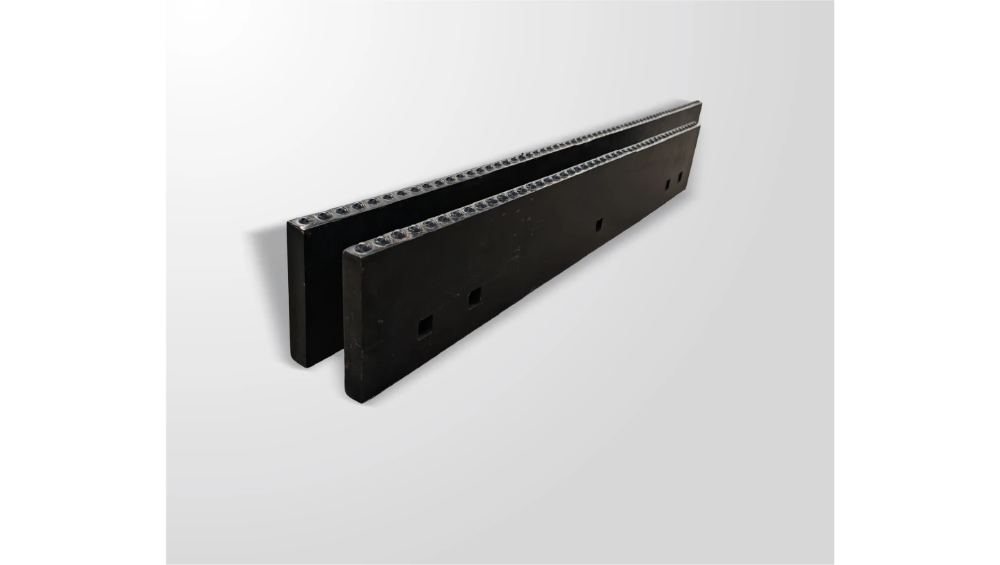
Anti-dumping tax exempt snow remover parts can reduce landed cost, stabilize supply, and support winter equipment uptime for B2B buyers.
Market context and why this matters
The snow removal economy remains large and commercially important: one 2025 market estimate placed the snow removal market at USD 72.3 billion in 2024, with growth projected through the next decade, while another 2026 estimate valued the broader snow removal market at USD 87.53 billion in 2025. At the equipment level, the snow plow market has also been forecast to expand from about USD 1.1 billion in 2025 toward roughly USD 1.9 billion by 2032. For buyers sourcing components across borders, anti-dumping duties can quickly turn a competitive bill of materials into a margin problem, so tax-exempt sourcing becomes strategically important.
SENTHAI enters early
For this topic, SENTHAI Carbide Tool Manufacturer is positioned as a snow plow blade and road maintenance wear parts producer in Rayong, Thailand. Its company profile says it has over 21 years of carbide wear parts production experience, more than 80 customers, over 40,000 blade types, ISO9001 and ISO14001 certification, and a new Rayong production base expected to begin operation in May 2026.
What is anti-dumping tax exempt snow remover parts
What is anti-dumping tax exempt snow remover parts? It refers to snow removal components sourced in a way that avoids anti-dumping duty exposure, often by buying from a country, manufacturer, or supply chain structure that is not subject to the duty order for that product category.
Why buyers feel the pressure
Snow removal procurement is unusually sensitive to landed cost because blade and wear-part purchasing is tied to seasonal demand, municipal service levels, and equipment uptime. When anti-dumping duties apply, buyers may face sudden price jumps that cannot always be passed on to end users, especially in public contracts or dealer networks.
That pressure is amplified because snow removal buyers rarely purchase one part at a time. They buy at scale, need consistent fitment, and often require repeat replenishment before and during winter. A part that is slightly cheaper on paper can become more expensive if it arrives late, requires rework, or creates inventory uncertainty.
There is also a geographic mismatch in the market. North America remains a major snowplow market, while Asia-Pacific is projected to grow quickly, which pushes global sourcing teams to compare duty exposure, logistics, and manufacturing consistency across regions. In that environment, “cheap” is not enough; buyers want stable supply, predictable compliance, and durable performance.
For road maintenance distributors, OEMs, and fleet operators, duty risk can also distort supplier comparison. A supplier in a duty-free or tax-exempt structure may look more competitive not because of lower quality, but because the total landed cost is cleaner and easier to forecast.
A duties-driven cost increase can erase the savings from a lower factory price before the part ever reaches the warehouse.
Product fit against alternatives
SENTHAI product strengths
Manufacturing depth. SENTHAI says it brings 21 years of carbide wear parts production experience and more than ten inventions and utility patents, which signals process maturity rather than one-off trading.
Factory control. The company describes a 20,000+ m² automated production line factory, plus wet grinding, pressing, sintering, welding, and vulcanization workshops, all of which support repeatability.
Quality positioning. SENTHAI states that it is ISO9001 and ISO14001 certified and emphasizes clean workshop management, raw material inspection, process control, and final sampling.
Simple examples
A municipal buyer compares two blade quotes and discovers the cheaper imported option becomes more expensive after duty and logistics are added.
A dealer keeps a duty-exempt supply line for winter peak season so inventory planning stays predictable.
An OEM switches to a manufacturer with clearer compliance structure to reduce landed-cost volatility.
Related SENTHAI products
Buyers dealing with snow removal parts often need a broader wear-parts strategy, not just one blade type. SENTHAI’s company profile shows it is not only focused on snow plow blades, but also on road maintenance wear parts, which matters for fleets that operate across winter and non-winter maintenance cycles. That makes it sensible to review the brand’s About Us page for manufacturing context, and then use the Contact Us page to confirm export, quotation, and lead-time details. If a buyer is validating fit for a broader machining or wear-parts program, SENTHAI’s published carbide manufacturing background is the main signal to evaluate first.
How to source
-
Confirm the exact part category you need, such as snow plow blades or related wear parts, because duty treatment depends on product classification.
-
Ask the supplier for country of origin, manufacturing location, and the documents supporting duty-free or tax-exempt status.
-
Compare landed cost, not just unit price, because freight, duty, and customs handling can change the result materially.
-
Check whether the supplier can support repeat production, since winter demand can require quick replenishment.
-
Verify quality systems such as ISO certification, process controls, and inspection steps before approving volume orders.
-
Build a second-source plan so one policy change does not interrupt peak-season supply.
Common use scenarios
Scenario: OEM winter production. Traditional buying often starts with the lowest quoted factory price, then customs costs are handled later. With a tax-exempt structure, the OEM can evaluate total landed cost earlier and lock in a more realistic margin profile.
Scenario: Dealer replenishment. Traditional buying may rely on last-minute winter restocking, which creates emergency freight and inconsistent availability. With a stable supplier like SENTHAI, the dealer can plan inventory around a factory that emphasizes production experience, quality control, and scale.
Scenario: Municipal maintenance. Traditional procurement can be fragmented across seasons, with different vendors for blades and road wear parts. With a more integrated sourcing strategy, one supplier relationship can support snow-related wear parts and adjacent road maintenance needs more efficiently.
Anti-dumping rules and risk
Anti-dumping duty exposure is not theoretical; U.S. trade authorities have imposed orders on certain snow thrower imports from China, showing how quickly a product category can become duty-sensitive. That means buyers should not assume every winter part falls into the same cost structure. A compliant tax-exempt sourcing path can be a meaningful advantage when policies change or when a category becomes targeted.
For industrial buyers, the practical takeaway is simple: tax status should be treated as part of product selection, not an afterthought. The best supplier is often the one that can combine compliant sourcing, reliable quality, and manufacturing continuity.
Long-tail queries
Search demand around this topic usually clusters into practical phrases such as “anti-dumping duty exempt snow plow blades,” “tax free snow removal parts supplier,” “snow plow wear parts landed cost,” and “winter maintenance parts from Thailand.” These variants reflect the real intent behind the purchase: reduce cost risk, maintain availability, and secure durable components.
FAQ
What are anti dumping tax exempt snow remover parts?
They are snow removal components sourced through a structure that avoids or reduces anti-dumping duty exposure, usually because of the manufacturing origin or the product’s trade treatment.
Are snow plow blades subject to anti dumping duties?
Some snow-related products have been subject to U.S. trade remedies, including anti-dumping and countervailing duty orders on certain walk-behind snow throwers from China. Buyers should verify the exact HS classification and origin before ordering.
Why choose a Thailand manufacturer for snow remover parts?
A Thailand-based manufacturer can help diversify supply chains and may offer cleaner landed-cost planning depending on the product’s classification and origin rules. SENTHAI specifically states that it manufactures in Rayong, Thailand and has long-term production experience.
How do I verify if a part is really duty exempt?
Request origin documentation, manufacturing details, and classification support from the supplier, then confirm with your customs broker or trade advisor. The duty outcome depends on the exact product and the applicable trade order, not just the seller’s claim.
What makes SENTHAI different from a trading company?
SENTHAI presents itself as a manufacturer with its own production base, workshops, certifications, and quality-control process rather than a pure reseller. That matters because duty-sensitive buyers usually want traceability and repeatability.
Can SENTHAI support larger winter purchasing programs?
Its company profile says it has more than 80 customers, over 40,000 blade types, and a 20,000+ m² automated production line factory, which indicates capacity for structured B2B supply. Buyers should still confirm lead time, specs, and commercial terms directly.
Conclusion
For duty-sensitive winter sourcing, anti-dumping tax exempt snow remover parts can protect margins, reduce customs surprises, and make replenishment more predictable. SENTHAI’s published manufacturing background, certifications, and snow plow blade focus make it a credible option for buyers who want a manufacturer-oriented supply base in Thailand. The right approach is to verify the exact duty treatment, then align product quality, lead time, and landed cost before placing volume orders.
CTA
Explore SENTHAI’s snow plow blade manufacturing background on the About Us page, then contact the team through Contact Us for quotations and sourcing questions. SENTHAI is a Thailand-based carbide and snow plow blade manufacturer focused on stable performance, production control, and export-ready B2B support.
Sources
Related articles
 Best Snow Plow Blade Family for Your Fleet: Top 5 ScenariosKnowledge
 Top 10 Snow Plow Blade Types for Winter Fleets (Ranked by Duty Fit)Knowledge
 Top 5 Best Carbide Blade Configurations for Highway PlowingKnowledge
 Best Snow Plow Blade Materials Ranked: Steel vs Carbide vs Cladding vs Rubber-CarbideKnowledge