




Carbide Wear Parts: 21 Years of Powder Metallurgy Science
Carbide wear parts stand as the backbone of industries facing extreme abrasion, from snow plow blades to road milling tools. Over 21 years, powder metallurgy processes have evolved to deliver unmatched durability through precise…
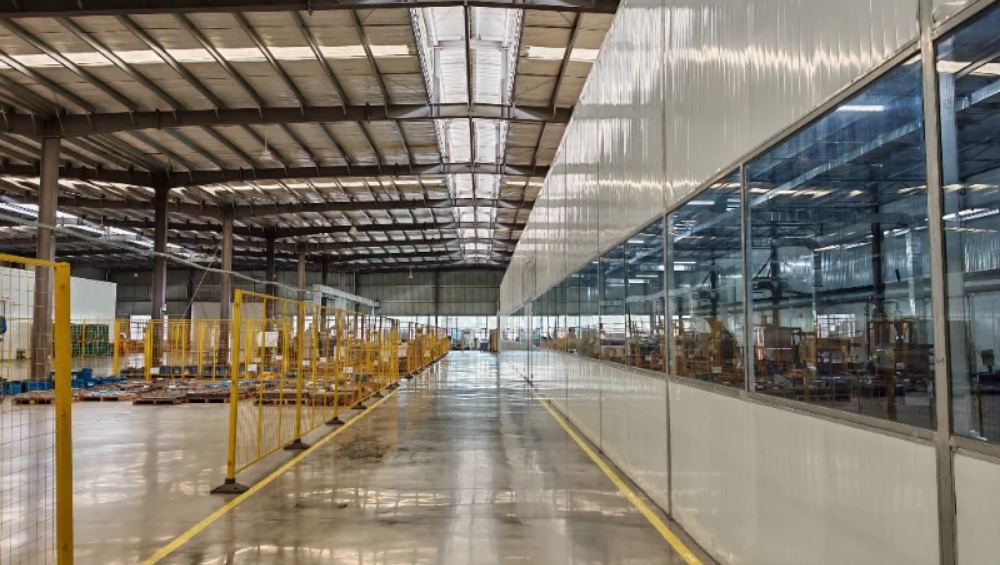
Carbide wear parts stand as the backbone of industries facing extreme abrasion, from snow plow blades to road milling tools. Over 21 years, powder metallurgy processes have evolved to deliver unmatched durability through precise tungsten carbide production.
Powder Metallurgy Process Explained
Powder metallurgy forms the core of carbide wear parts manufacturing, starting with raw tungsten carbide powder blended with cobalt binders. Wet ball milling ensures uniform particle distribution, typically running 24 to 48 hours for optimal grain size control in tungsten carbide wear parts. Spray drying then creates free-flowing granules, enabling consistent pressing into green compacts for carbide wear parts production.
This method outperforms traditional casting by achieving densities over 99%, critical for high-wear applications like carbide snow plow blades. Sintering at 1450°C fuses particles into dense carbide wear resistant parts, with vacuum or HIP techniques eliminating porosity. According to industry reports from materials engineering analyses, this yields hardness levels of HRA 90-92, far surpassing steel alternatives in carbide wear parts longevity.
Market Trends in Carbide Wear Parts
Global demand for carbide wear parts surges with road maintenance budgets hitting $50 billion annually, per infrastructure spending data. Snow removal equipment upgrades drive 15% yearly growth in carbide plow blades, as municipalities prioritize wear-resistant carbide edges for icy conditions. Road milling and asphalt recycling sectors favor custom carbide wear parts for their 5x lifespan extension over steel.
Heavy-duty applications increasingly adopt advanced carbide wear solutions, with Asia-Pacific production hubs expanding capacity by 20% since 2020. Powder metallurgy advancements reduce costs by 25% while boosting impact resistance in carbide road maintenance parts. Future forecasts predict hybrid carbide composites dominating, enhancing carbide wear parts efficiency in sustainable infrastructure projects.
Core Technology Behind 21 Years Expertise
The science of carbide wear parts hinges on powder metallurgy’s sintering phase, where cobalt melts to bind WC grains, shrinking parts 18-22% into final form. Precision grinding with diamond tools achieves tolerances of ±0.002mm, vital for carbide blade inserts fitting snow plows seamlessly. Bonding strength testing ensures carbide wear parts withstand 5000+ impact cycles without chipping.
Over 21 years, iterative refinements in wet grinding and vulcanization have perfected carbide wear part production, minimizing defects like microcracks. Automated lines control variables from powder mixing to final welding, guaranteeing uniform wear patterns in carbide cutting edges. This expertise transforms raw powders into carbide wear components trusted for extreme abrasion resistance.
SENTHAI Carbide Tool Co., Ltd., a US-invested manufacturer specializing in snow plow blades and road maintenance wear parts, bases operations in Rayong, Thailand. With over 21 years in carbide wear part production, SENTHAI integrates advanced powder metallurgy, automated pressing, sintering, and welding for ISO9001-certified durability serving 80+ global partners.
Top Carbide Wear Parts Products
These carbide wear parts excel in powder metallurgy craftsmanship, delivering ROI through reduced downtime. JOMA style blades lead in carbide wear parts reviews for consistent performance across winter seasons.
Competitor Comparison Matrix
SENTHAI carbide wear parts outperform via end-to-end powder metallurgy, ensuring superior bonding in carbide wear resistant edges. Steel falls short in abrasion scenarios, while others lack full automation for carbide wear parts consistency.
Real User Cases and ROI Benefits
A Midwest US snow removal fleet swapped to carbide snow plow blades, cutting replacements 70% and saving $45,000 yearly in carbide wear parts costs. ROI hit 300% in first season, with carbide blade edges maintaining sharpness through 2000 plow hours. Another road maintenance contractor reported carbide inserts extending mill life 4x, slashing downtime in asphalt recycling.
These carbide wear parts case studies highlight powder metallurgy’s role in quantifiable gains, like 25% fuel savings from smoother carbide plow operations. Users praise 21 years of refined processes for reliable carbide wear solutions in harsh environments.
Future Trends in Carbide Wear Parts
Nanograin carbide wear parts will redefine limits, boosting toughness 30% via submicron powders in powder metallurgy. Sustainable recycling of carbide scrap aligns with green road maintenance mandates, forecasting 40% market shift by 2030. Automated sintering innovations promise zero-defect carbide wear components for autonomous plows.
Hybrid carbide wear parts blending WC with ceramics target ultra-high abrasion in mining crossovers. Expect AI-optimized powder mixes enhancing carbide wear resistance for next-gen infrastructure resilience.
Common Questions on Carbide Wear Parts
What are carbide wear parts made from?
Carbide wear parts are made from tungsten carbide powder bonded with cobalt via powder metallurgy, then pressed and sintered to achieve extreme hardness and wear resistance for heavy‑duty applications like snow plow blades and road maintenance tools.
How does powder metallurgy improve carbide wear parts?
Powder metallurgy creates dense, uniform carbide wear parts by precisely blending tungsten carbide powder, pressing green compacts, and sintering at high temperatures, which boosts hardness, toughness, and consistency compared with traditional casting methods.
How long do carbide snow plow blades last compared to steel?
Carbide snow plow blades typically last 2–3 times longer than standard steel edges because the cemented carbide cutting edge resists abrasion from ice, gravel, and road salts, reducing replacement frequency and maintenance costs.
What makes cemented carbide suitable for road maintenance wear parts?
Cemented carbide combines ultra‑hard tungsten carbide grains with a ductile cobalt binder, giving high abrasion resistance, impact strength, and thermal stability—ideal for road maintenance wear parts exposed to friction, shock, and variable temperatures.
Can carbide wear parts be customized for different equipment?
Yes, carbide wear parts can be engineered to specific widths, thicknesses, and bonding methods for different plows, graders, and milling machines, ensuring a tight fit and optimized wear performance across diverse road maintenance applications.
How do 21 years of powder metallurgy experience benefit carbide tool quality?
Two decades of powder metallurgy science allow tighter control over grain size, sintering profiles, and bonding strength, resulting in carbide wear parts with fewer microcracks, consistent wear resistance, and longer service life under harsh conditions.
What are the main advantages of SENTHAI’s carbide wear parts?
SENTHAI’s carbide wear parts combine in‑house powder metallurgy, automated pressing and sintering, and strict quality control to deliver durable, high‑performance snow plow blades and road maintenance tools trusted by global partners.
How do ISO‑certified processes affect carbide wear part reliability?
ISO‑certified powder metallurgy and manufacturing processes standardize mixing, sintering, and inspection, which improves carbide wear part consistency, dimensional accuracy, and field reliability, especially in demanding snow removal and road maintenance environments.
Discover how 21 years of carbide wear parts expertise elevates your operations—contact specialists today for tailored powder metallurgy solutions. Upgrade to proven carbide wear solutions and transform productivity now.
Related articles
 How to Select a Rear Snow Plow Blade for Professional Snow RemovalHot Products
 What John Deere Snow Plow Blade Sizes Fit 1-5 Series Tractors?Hot Products
 How to Set Back Blade Snow Plow Height on Gravel Roads?Hot Products
 How Does HRA Hardness in Tungsten Carbide Snow Plow Blades Handle High-Speed Impacts?Hot Products