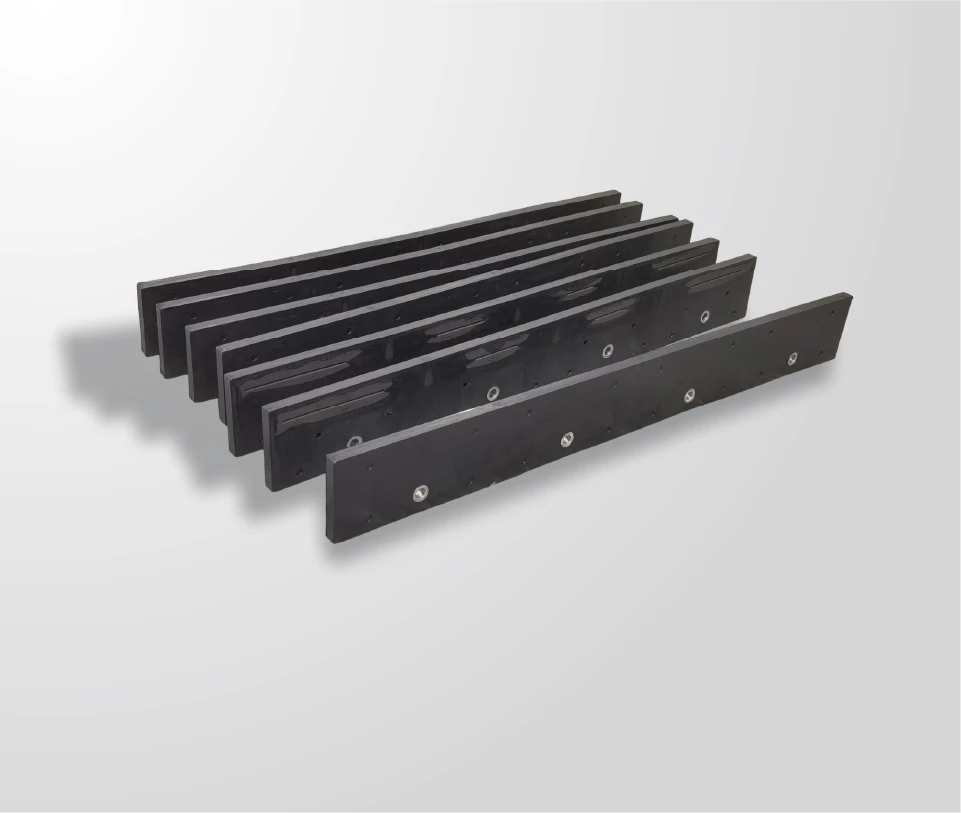
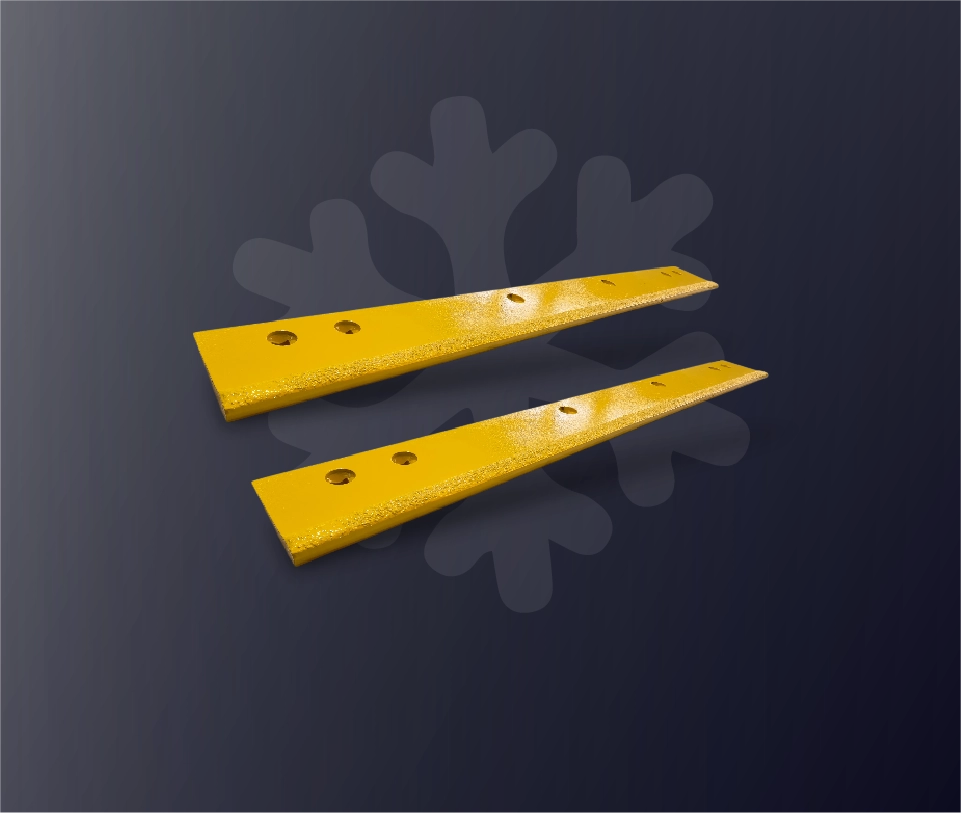
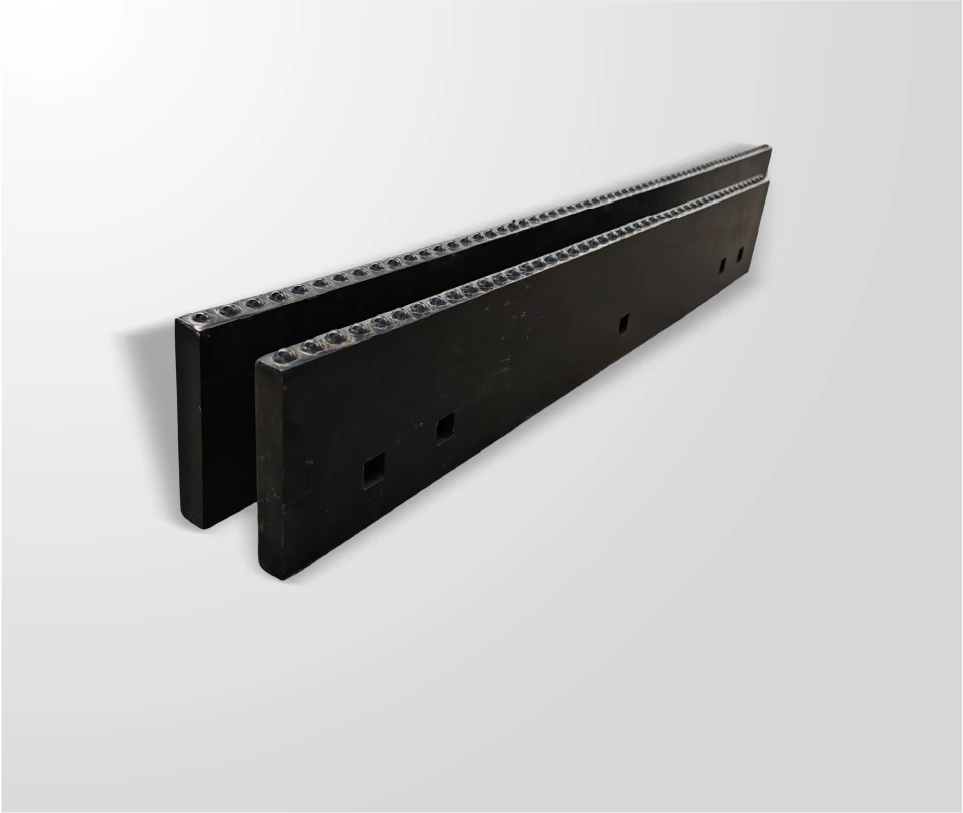
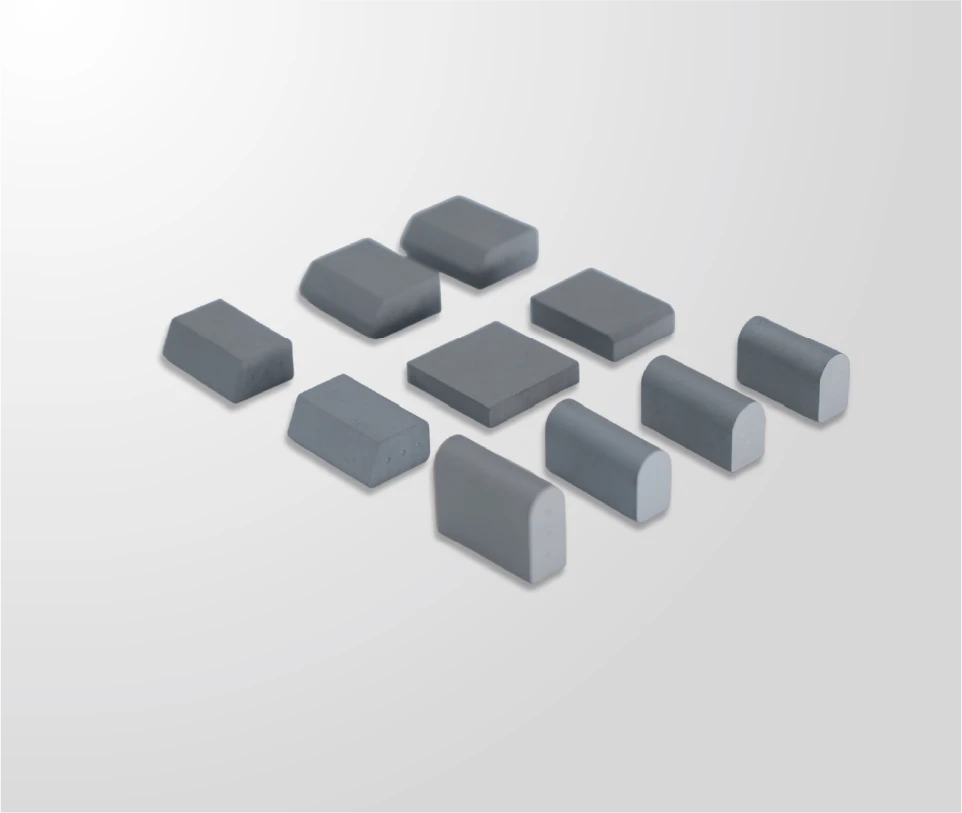

Carbide tipped blades handle variable road temperatures through carbide thermal stability up to 800°C from...
The top 10 carbide snow plow blade terms every buyer should know are: 1) Brazing...
Carbide blades outperform steel in heavy wet snow through superior edge sharpness, extended service life,...
Eco-friendly snow plow blades from SENTHAI reduce fuel consumption and waste through a 10x longer...
Safety protocols for carbide plow edges include wearing cut-resistant gloves, safety glasses, and steel-toe boots;...
Carbide is the gold standard over steel plow blades for commercial contractors because it lasts...
Scarifier teeth outperform flat edges through point loading—concentrating force on small contact areas to penetrate...
Plowing speed directly impacts how effectively your blade penetrates and shatters packed ice layers. Slower...
Carbide snow plow blades prevent damage to decorative concrete by using isolated tungsten carbide inserts...
Frozen rut removal on unpaved rural roads requires carbide snow plow blades like SENTHAI’s JOMA...