




Will Pool Salt Melt Ice in Winter?
Yes, pool salt can melt ice because it is mainly sodium chloride, the same active ingredient found in many rock-salt deicers. Its fine crystals dissolve quickly when they contact moisture and form brine that…
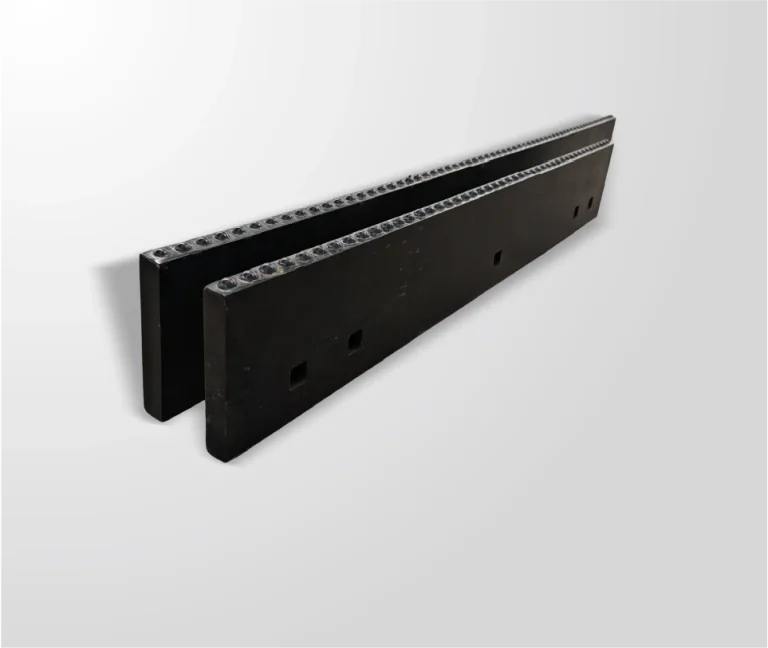
Yes, pool salt can melt ice because it is mainly sodium chloride, the same active ingredient found in many rock-salt deicers. Its fine crystals dissolve quickly when they contact moisture and form brine that lowers water’s freezing point. However, it works best above 15°F (−9°C), provides limited traction, and is not a complete solution for severe winter conditions.
(Last modified date: September 7, 2026)
Quick definition: Pool salt is typically high-purity sodium chloride, or NaCl, used primarily in saltwater swimming-pool systems.
What Is Pool Salt and Why Does It Melt Ice?
Pool salt is typically high-purity sodium chloride, or NaCl, used primarily in saltwater swimming-pool systems. It can also melt ice because sodium chloride lowers the freezing point of water. When pool salt reaches moisture on an icy surface, it dissolves and forms a saltwater brine that stays liquid below 32°F (0°C).
This reaction is called freezing-point depression. Ice naturally has a very thin layer of water on its surface. Once salt contacts that moisture, the salt dissolves and creates brine. The brine needs a lower temperature to freeze than untreated water, so it gradually melts nearby ice.
Pool salt may be useful for light ice on driveways, sidewalks, outdoor steps, garage entrances, and low-traffic walkways. It is especially practical when normal ice melt is unavailable or sold out.
However, pool salt is not specifically designed for winter road maintenance. Commercial deicers are usually selected based on temperature range, spreading performance, moisture resistance, traction requirements, environmental impact, and operating cost.
For professional snow-removal operations, salt is only one part of the solution. Snowplows, carbide blades, scrapers, traction products, and appropriate deicing materials must work together to deliver safe and reliable results.
How Does Pool Salt Melt Ice on Driveways and Sidewalks?
Pool salt melts ice by dissolving into moisture and producing a saltwater brine with a lower freezing point than plain water. The brine softens the ice and weakens its bond to concrete, asphalt, or pavement. Once softened, the slush can be removed more easily with a shovel, scraper, broom, or snowplow.
The process normally follows several stages:
-
Pool salt contacts the thin layer of moisture on the ice.
-
The sodium chloride crystals dissolve into the water.
-
The saltwater mixture remains liquid below 32°F (0°C).
-
The ice starts turning into slush around the salt crystals.
-
The bond between the ice and surface becomes weaker.
-
Mechanical clearing removes the softened material.
Pool salt often has relatively small crystals. Smaller grains can dissolve faster than large chunks of traditional rock salt because they have more surface area exposed to moisture. This can be helpful on thin ice in mild winter weather.
Still, quick dissolution does not mean unlimited performance. Fine salt may be blown away by wind, washed away by meltwater, diluted by new snowfall, or clump during storage if exposed to humidity. For this reason, crews should not rely on salt alone when snow or ice is thick, compacted, or continuously accumulating.
Does Pool Salt Work Below 15°F?
Pool salt becomes much less effective below about 15°F (−9°C). Because it is mainly sodium chloride, it works best near freezing and gradually loses melting power as temperatures fall. Below 15°F, it may dissolve slowly, form little brine, and fail to melt enough ice for safe or reliable surface treatment.
Temperature is one of the most important factors in deicing performance. At 30°F (−1°C), pool salt may work reasonably well on light ice. At 20°F (−7°C), it can still melt ice but usually requires more time. Near 15°F (−9°C), sodium chloride becomes slow and inconsistent.
| Surface Temperature | Pool Salt Performance | Recommended Winter Action |
|---|---|---|
| Above 28°F (−2°C) | Usually effective for thin ice | Apply lightly and remove softened slush |
| 20°F to 28°F (−7°C to −2°C) | Works but more slowly | Use with scraping or plowing |
| 15°F to 20°F (−9°C to −7°C) | Limited and inconsistent | Consider commercial ice-melt blends |
| Below 15°F (−9°C) | Often ineffective | Use calcium chloride, grit, or mechanical clearing |
For a homeowner, this means pool salt may help during a mild icy morning but may not solve a severe overnight freeze. For commercial buyers, this limitation matters even more. A contractor or facility manager needs predictable performance for parking areas, loading zones, sidewalks, public roads, and customer entrances.
Cold-weather deicing plans should be based on actual pavement temperature, not only air temperature. Asphalt, concrete, bridges, shaded areas, and elevated surfaces may be colder than the reported weather forecast.
Which Is Better: Pool Salt or Regular Ice Melt?
Regular ice melt is usually better than pool salt because it is specifically formulated for winter conditions and may perform at lower temperatures. Pool salt can melt thin ice in mild weather, but commercial ice-melt products may provide better cold-weather performance, spreading behavior, storage stability, and traction support.
Pool salt is generally sodium chloride. Regular ice melt may contain sodium chloride, calcium chloride, magnesium chloride, potassium chloride, or a blended formula. Different chemicals work differently depending on temperature and surface conditions.
| Deicing Option | Main Benefit | Best Application | Main Limitation |
|---|---|---|---|
| Pool salt | Easy to find and fast-dissolving | Emergency use near freezing | Weak performance in severe cold |
| Rock salt | Cost-effective sodium chloride | Roads, driveways, and parking lots | Slow below 15°F |
| Calcium chloride | Strong low-temperature melting | Severe cold and heavy ice | Higher purchase cost |
| Magnesium chloride | Useful for preventive treatment | Walkways, bridges, and facilities | Requires controlled storage and application |
| Sand or grit | Adds immediate traction | Extremely cold surfaces | Does not melt ice |
| Mechanical plowing | Removes bulk snow and packed ice | Roads, yards, and large commercial sites | Requires properly maintained equipment |
Pool salt can be a practical backup product if a store has run out of regular ice melt. However, it should not become the standard material for a winter-maintenance business, municipality, warehouse, airport, or large property-management operation.
Professional snow and ice control is not just about melting ice. It is about restoring safe access, protecting surfaces, reducing slip risks, limiting corrosion, controlling labor costs, and meeting service commitments.
Can Pool Salt Melt Ice Faster Than Rock Salt?
Pool salt may melt thin ice faster than coarse rock salt because its smaller crystals dissolve more quickly when moisture is present. Fine grains have greater surface area, allowing brine to form sooner. However, overall melting results still depend on temperature, ice thickness, application rate, drainage, and whether softened slush is removed.
Fine salt crystals can provide quick initial action on a light icy surface. This is why some users choose pool salt for sidewalks, concrete steps, garage entrances, and residential driveways when normal deicer is unavailable.
However, fine crystals also create practical disadvantages:
-
They may blow away in windy weather.
-
They can wash into drains quickly during melting.
-
They may become diluted by snow or rain.
-
They can clump if stored in humid conditions.
-
They provide very little traction on slippery surfaces.
-
They may not remain on road surfaces as long as larger deicing granules.
Commercial deicing materials are often engineered for consistent spreading and controlled melting. Some include additives that improve storage, limit clumping, enhance traction, reduce bounce during spreading, or extend performance across lower temperature ranges.
For B2B buyers, the best choice depends on the entire winter-maintenance system: equipment type, property size, temperature zone, storage conditions, vehicle traffic, surface material, labor availability, and service expectations.
How Should You Apply Pool Salt to Ice Safely?
Pool salt should be applied in a thin, even layer after loose snow has been removed. Allow time for the salt to create brine and soften the ice, then shovel, scrape, sweep, or plow the slush away. Avoid dumping large piles because excessive salt wastes product and increases runoff, corrosion, and refreezing risks.
Use this process for small areas:
-
Remove loose snow first.
-
Spread a light, even layer of pool salt across exposed ice.
-
Focus on slippery tire tracks, steps, walkways, and entrance routes.
-
Wait for the salt to dissolve and form brine.
-
Break up softened ice with a shovel or scraper.
-
Clear away slush before temperatures drop.
-
Add sand or grit if more traction is needed.
Salt should never be treated as a one-time solution. Weather changes quickly, especially at night. A treated surface may appear clear in the afternoon but turn slippery again after sunset.
Property owners and snow-removal crews should inspect treated areas after temperatures change. Pay special attention to shaded walkways, bridge decks, concrete ramps, loading zones, north-facing areas, and locations where meltwater collects.
Why Can Pool Salt Cause Ice to Refreeze?
Pool salt can create a refreezing problem if the melted brine becomes diluted or temperatures fall below the effective range of sodium chloride. Meltwater may remain on the surface and freeze again into a thin, slippery layer. Removing slush promptly and using a suitable low-temperature deicer can reduce the risk.
Refreezing often creates black ice, which can be difficult to see on dark asphalt or wet concrete. This is a serious risk in pedestrian areas, driveways, commercial entrances, loading docks, and parking lots.
Refreezing is more likely when:
-
Temperatures fall below 15°F (−9°C).
-
Melted slush is left on the pavement.
-
Pool salt is applied too lightly for the ice thickness.
-
New snow dilutes the saltwater brine.
-
Wind cools the surface quickly.
-
Drainage is poor.
-
Vehicle traffic compacts wet snow into dense ice.
Mechanical removal is one of the best ways to reduce refreezing. Once salt has loosened the ice, a shovel, scraper, broom, or plow should remove the slush instead of leaving it on the surface.
For commercial snow operations, plow efficiency directly affects chemical use. If the blade leaves a thick layer of packed snow, crews may need more salt, more labor, more repeat applications, and more site visits.
Does Pool Salt Damage Concrete, Metal, Grass, or Landscaping?
Pool salt can contribute to damage when it is overused or repeatedly applied because sodium chloride may accelerate metal corrosion, affect plants through runoff, and increase stress on damaged concrete during freeze-thaw cycles. Apply only the minimum effective amount, remove excess slush, and avoid spreading salt near sensitive landscaping.
Salt exposure can affect many parts of a property or winter-maintenance fleet.
Potential concerns include:
-
Corrosion on snowplows, trucks, spreaders, fasteners, gates, and metal railings.
-
Salt residue tracked into garages, warehouses, offices, and retail buildings.
-
Grass, shrubs, trees, and soil damage near sidewalks and drainage routes.
-
Increased stress on cracked, porous, poorly cured, or deteriorated concrete.
-
Saltwater runoff entering drains, landscaping, and low-lying areas.
-
Damage to vehicle undercarriages and electrical connections.
Pool salt does not automatically destroy concrete. Concrete problems usually involve multiple factors, including existing cracks, trapped moisture, freeze-thaw cycles, poor drainage, low-quality installation, and repeated salt exposure. Still, care is important, especially on new, decorative, stamped, or damaged concrete.
Snowplow fleets should wash vehicles, undercarriages, hydraulic components, spreaders, and metal wear parts after exposure to salt and brine. Routine cleaning can reduce corrosion and help extend equipment life.
Is Pool Salt Safe for Dogs and Pets?
Pool salt is not always safe for dogs and pets because sodium chloride can irritate paw pads, cause discomfort after walking through salty slush, and create digestive risks if animals lick or swallow large amounts. Use minimal quantities, remove excess salt, and clean paws after walks in treated areas.
Pets often walk through treated sidewalks, driveways, apartment entrances, and parking areas. Salt can stick to their paws and fur, then be swallowed during grooming.
Pool salt should be used carefully around:
-
Dog-walking routes.
-
Pet play areas.
-
Kennels and outdoor animal shelters.
-
Veterinary-clinic entrances.
-
Apartment buildings with frequent pet traffic.
-
Outdoor feeding or watering locations.
If pool salt is used near pets, clear excess slush and rinse pets’ paws after outdoor exposure. For areas with regular animal traffic, choose a deicer specifically labeled for pet use and follow the manufacturer’s directions.
Even pet-friendly products should be used responsibly. No deicer is completely risk-free if used excessively or ingested in large quantities.
When Should You Use a Snowplow Instead of More Salt?
A snowplow, scraper, snow blower, or other mechanical removal method should be used when snow or ice is thick, compacted, below the effective temperature range of sodium chloride, or blocking access. Salt works best on thin residual ice, while mechanical equipment removes bulk snow and bonded material faster and more efficiently.
Salt should support snow removal rather than replace it.
Mechanical removal is especially important when:
-
Snow accumulation is more than a light layer.
-
Ice has been compacted by cars, trucks, forklifts, or foot traffic.
-
Temperatures are below 15°F (−9°C).
-
A site needs immediate vehicle or pedestrian access.
-
Snowfall continues during a winter event.
-
Salt use must be controlled due to corrosion or environmental concerns.
-
A service contract requires clear pavement or documented traction levels.
For commercial sites, a plow can remove a large amount of snow in minutes, while salt may take hours to soften only a thin layer of ice. The most efficient method is often to plow first, then apply an appropriate deicer to manage the remaining ice film.
A reliable snowplow blade is essential. If the cutting edge wears quickly, the plow can leave more snow behind, increase fuel use, require extra passes, and raise the amount of salt needed to finish the job.
How Do Carbide Snowplow Blades Improve Ice Removal?
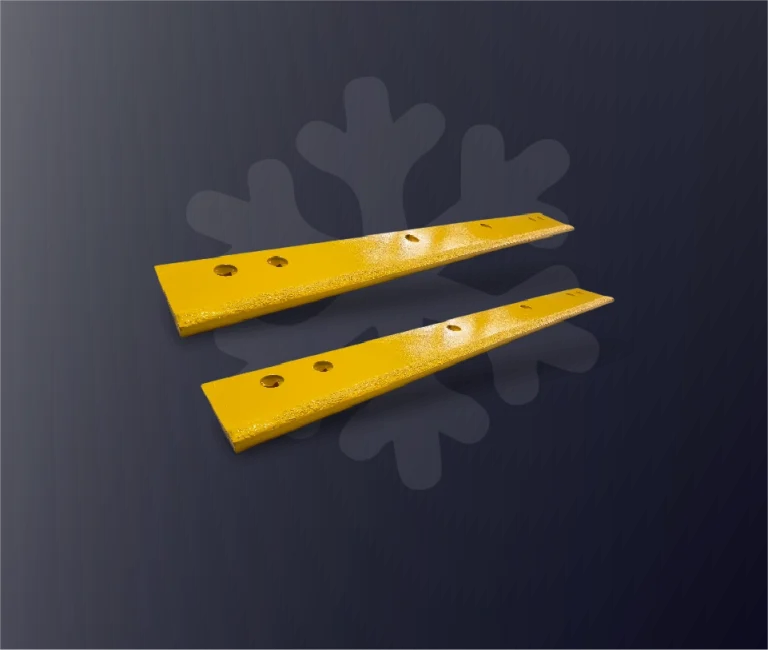
Carbide snowplow blades improve ice removal by maintaining a highly wear-resistant cutting edge on abrasive pavement. Compared with standard steel edges in demanding applications, carbide-supported blades can maintain more consistent scraping contact, remove packed snow more effectively, reduce replacement frequency, and support longer operating intervals.
Packed snow is one of the biggest challenges in winter maintenance. Once vehicles repeatedly drive over snow, it becomes dense, hard, and difficult to remove using salt alone.
Snowplow blades must withstand constant contact with asphalt, concrete, gravel, road debris, frozen snow, and uneven pavement. Standard steel cutting edges can wear quickly, especially on long routes and abrasive surfaces.
Carbide snowplow blade systems can help professional operators achieve:
-
High wear resistance on abrasive road surfaces.
-
Longer blade life in demanding operating conditions.
-
More consistent scraping performance.
-
Better removal of compacted snow and thin ice layers.
-
Less equipment downtime for blade changes.
-
Lower maintenance frequency for high-mileage fleets.
-
Reduced deicer consumption when plows leave less snow behind.
-
Improved lifecycle value for contractors and municipalities.
SENTHAI manufactures wear-resistant carbide snowplow blades and road-maintenance wear parts for global customers. The company produces JOMA-style blades, carbide blades, I.C.E. blades, carbide inserts, and customized wear solutions for demanding snow-removal applications.
With over 21 years of carbide wear-part production experience, SENTHAI combines engineering capability, controlled production, and cost-efficient manufacturing to support professional winter-maintenance operations.
Who Should Buy Carbide Snowplow Blades From an OEM Factory?
OEM snowplow manufacturers, wholesalers, distributors, municipalities, road-maintenance contractors, and fleet operators should source carbide snowplow blades from an experienced factory supplier when they require consistent quality, customized dimensions, dependable supply, and durable wear performance. Factory-direct sourcing can improve specification control and long-term procurement efficiency.
A carbide blade should not be selected only by initial purchase price. The real value depends on wear life, carbide quality, insert design, bonding strength, mounting accuracy, production consistency, and delivery reliability.
Before selecting a carbide snowplow blade manufacturer, buyers should evaluate:
-
Carbide grade and insert configuration.
-
Blade design, thickness, length, and mounting-hole pattern.
-
Welding, brazing, and bonding quality.
-
Compatibility with existing snowplow systems.
-
OEM customization and private-label capability.
-
Production capacity and lead-time management.
-
Quality-control standards and inspection processes.
-
Export packaging and global logistics experience.
-
Replacement-part availability.
-
Technical support for field applications.
SENTHAI Carbide Tool Co., Ltd. is a US-invested manufacturer specializing in snowplow blades and road-maintenance wear parts. The company is based in Rayong, Thailand, where it manages production processes including wet grinding, pressing, sintering, welding, vulcanization, engineering, assembly, and quality inspection.
SENTHAI is an ISO9001- and ISO14001-certified carbide tool manufacturer. Its fully controlled production process helps ensure consistent quality, reliable bonding strength, and strong wear resistance for snow-removal and road-maintenance customers.
As a carbide blade factory, OEM supplier, wholesale manufacturer, and export partner, SENTHAI supports businesses that need dependable and cost-effective wear parts for global winter-maintenance markets.
SENTHAI Expert Views
“Pool salt can be a useful emergency option for thin ice when the weather is near freezing, but it cannot replace professional snow and ice management. The most efficient approach is to remove bulk snow mechanically, treat residual ice with the correct deicer, and use durable plow wear parts that maintain scraping performance. For OEMs, distributors, contractors, and municipal fleets, carbide snowplow blades can reduce downtime, improve surface clearing, and support better long-term operating value.” — SENTHAI Technical Team
What Are the Best Alternatives When You Have No Ice Melt?
When regular ice melt is unavailable, pool salt, rock salt, sand, grit, traction materials, and mechanical scraping can help depending on surface temperature and ice conditions. Pool salt can melt light ice near freezing, while sand improves grip and plowing or scraping physically removes snow and compacted ice.
Each emergency alternative has a different role.
Pool salt can work when temperatures remain above approximately 15°F (−9°C). Rock salt performs similarly because it also contains sodium chloride. Sand, grit, gravel, and traction products do not melt ice, but they can make a slippery surface safer for walking or driving.
For thick snow or frozen layers, mechanical removal is usually the most reliable option. A shovel, snow blower, scraper, or plow removes bulk material immediately without waiting for chemical melting.
Avoid using unsuitable household products as deicers. Detergents, pool shock, fertilizers, and other chemical products may damage surfaces, leave harmful residue, create safety concerns, or affect landscaping and drainage.
For commercial buyers, preparation is better than emergency substitution. Keep the correct deicers in stock, maintain plow equipment before winter, store replacement carbide blades, and establish temperature-based treatment plans.
FAQs
Can pool salt melt ice on concrete?
Yes, pool salt can melt ice on concrete because sodium chloride forms brine and lowers water’s freezing point. Use it sparingly because repeated salt exposure, freeze-thaw cycles, poor drainage, and existing concrete damage can increase deterioration risks. Remove slush after melting and avoid heavy use on new, cracked, decorative, or poorly cured concrete.
Does pool salt work for melting ice on a driveway?
Yes, pool salt can work on a driveway when temperatures are above approximately 15°F (−9°C) and the ice layer is thin. Spread it lightly and evenly, wait for brine to form, then remove softened ice using a shovel or scraper. It is less effective on thick, compacted ice or during severe cold.
Is pool salt better than water softener salt for ice?
Pool salt is often more useful than water-softener pellets because pool salt typically has smaller crystals that dissolve faster on icy surfaces. Water-softener salt may come in large pellets that dissolve slowly and spread unevenly. Both are usually sodium chloride, so neither performs well in very cold conditions below 15°F.
Can pool salt kill grass?
Yes, excessive pool salt can damage or kill grass when sodium chloride enters the soil through runoff or repeated application. Salt can interfere with plant water absorption and affect soil quality. Use the minimum amount needed, sweep up excess material, direct meltwater away from lawns, and avoid applying salt near shrubs and trees.
Could pool salt damage snowplow equipment?
Yes, pool salt can accelerate corrosion on snowplows, trucks, spreaders, fasteners, hydraulic components, electrical connections, and vehicle undercarriages. Saltwater brine is especially corrosive when left on equipment. Wash and inspect equipment after exposure, apply corrosion protection, and use durable wear parts designed for harsh winter road conditions.
Related Articles
- How Can Road Icing Be Effectively Prevented in High-Demand Winter Operations
- Anti-Wear Snow Plow Edges: Boost Durability, Performance, and Winter Efficiency
- 24/7 Snow Plow Consultation: Your Essential Defense During the Winter Storm
- Are Snow Plow Shoes Essential for Winter Road Maintenance?
Official Resources
Related articles
 Best Snow Plow Blade Family for Your Fleet: Top 5 ScenariosKnowledge
 Top 10 Snow Plow Blade Types for Winter Fleets (Ranked by Duty Fit)Knowledge
 Top 5 Best Carbide Blade Configurations for Highway PlowingKnowledge
 Best Snow Plow Blade Materials Ranked: Steel vs Carbide vs Cladding vs Rubber-CarbideKnowledge