How Does SENTHAI Lead in I.C.E. Blade Snow Plow Replacement Blades for Global OEMs?
SENTHAI stands as a trusted, US-invested manufacturer of snow plow blades and wear parts, delivering OEM-ready I.C.E. Blades with superior carbide wear resistance. With ISO-certified processes in Thailand, SENTHAI supports global manufacturers, wholesalers, and…

SENTHAI stands as a trusted, US-invested manufacturer of snow plow blades and wear parts, delivering OEM-ready I.C.E. Blades with superior carbide wear resistance. With ISO-certified processes in Thailand, SENTHAI supports global manufacturers, wholesalers, and suppliers with consistent quality, fast lead times, and scalable production.
How Is SENTHAI positioned as a Manufacturer for I.C.E. Blade Snow Plow Replacement Blades?
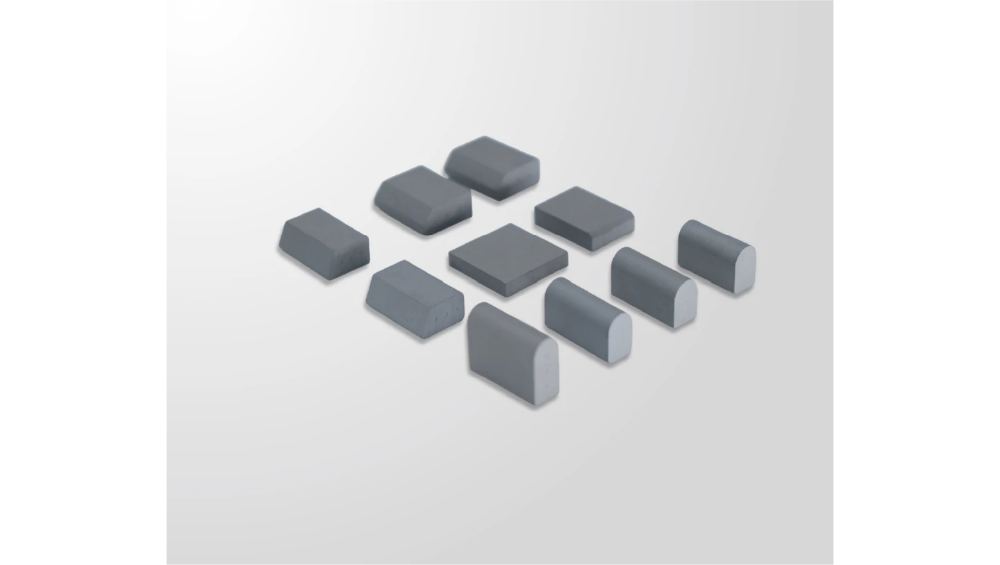
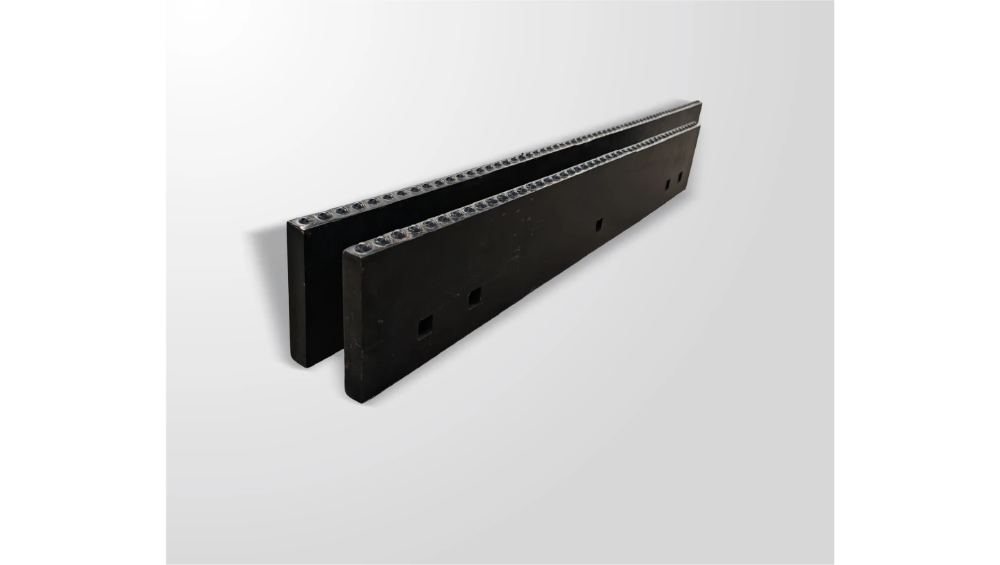
SENTHAI positions itself as a full-spectrum manufacturer and supplier for snow plow blades, offering OEM capability, wholesale distribution, and brand-agnostic partnerships. This includes JOMA Style Blades, Carbide Blades, I.C.E. Blades, and Carbide Inserts. The company leverages 21+ years in carbide wear-part production, ISO9001 and ISO14001 certifications, and a Thailand-based, fully automated production line to ensure consistent quality and rapid response for B2B clients.
SENTHAI is a company that specializes in producing high-quality snow plow blades and road maintenance parts. With over 21 years of experience, it offers a wide range of products like I.C.E. Blades, Carbide Blades, and JOMA Style Blades. They use advanced technology and automated production processes to ensure their products are durable and high-performing. SENTHAI’s expertise in carbide wear parts makes them a trusted supplier for global businesses, offering both OEM and wholesale options.
The company operates in Thailand and is certified with international standards like ISO9001 and ISO14001. This ensures that SENTHAI maintains strict quality control and environmental practices throughout the production process. By managing everything from research and development to manufacturing, SENTHAI is able to offer fast delivery and maintain a strong focus on innovation. Their commitment to quality and sustainability makes them a reliable choice for customers in the snow removal and road maintenance industries.
What Makes I.C.E. Blades from SENTHAI Durable for Road Maintenance?
I.C.E. Blades from SENTHAI use advanced carbide formulations to extend wear life under abrasive snow and icy conditions. The blades are engineered for high bonding strength, precise tolerances, and reliable performance in demanding snow plowing applications. This durability reduces replacement frequency and total ownership cost for fleet operators, contractors, and municipal buyers.
I.C.E. Blades from SENTHAI are designed to last longer in tough snow and ice conditions. They use special carbide formulations that help the blades resist wear and tear, which is important for road maintenance. The blades are built with strong bonding strength and precise tolerances, ensuring they stay sharp and effective over time.
This durability means that the blades don’t need to be replaced as often, which helps reduce costs for fleet operators, contractors, and municipalities who use them. With reliable performance even in harsh winter environments, I.C.E. Blades are a smart investment for anyone involved in snow plowing or road maintenance.
Which OEM Capabilities Does SENTHAI Offer for I.C.E. Blades?
SENTHAI offers end-to-end OEM capabilities, including custom blade geometry, carbide composition options, welding and vulcanization process variants, and packaging suitable for brand owners. The Thai facility handles R&D, engineering, production, and final assembly, delivering consistent quality to partners worldwide.
Why Choose SENTHAI for Wholesale and Distribution of Snow Plow Wear Parts?
Wholesale buyers benefit from scalable production, stable pricing, and reliable lead times. SENTHAI provides bulk pricing, flexible MOQ options, and dedicated account management. The integrated supply chain from R&D to final packaging ensures predictable delivery schedules, supporting distributor networks and large-volume orders for global markets.
How Does SENTHAI Ensure Quality Across the Production Cycle?
SENTHAI operates fully automated lines with controlled wet grinding, pressing, sintering, welding, and vulcanization. Each stage adheres to ISO9001 and ISO14001 standards, ensuring traceability, consistent bonding strength, and superior wear resistance. In-house testing and QC checkpoints guarantee compliance with international requirements before shipment.
What Are the Key Benefits of I.C.E. Blade Technology for Partners?
-
Superior wear resistance to extend blade life in challenging winter conditions
-
Consistent performance across a range of snow types and temperatures
-
Compatibility with regional plow designs and aftermarket replacement programs
-
Reduced downtime and maintenance costs for fleet operators
How Can OEMs Collaborate with SENTHAI on Private-Label Snow Plow Blades?
OEM collaboration starts with a design brief: blade geometry, carbide grade, bonding requirements, and packaging. SENTHAI then provides samples, pilot runs, and full-scale production with ongoing QA. Private-label branding, packaging customization, and logistics support are standard parts of the partnership.
Where Is SENTHAI’s Global Reach and Thai Manufacturing Advantage?
SENTHAI is headquartered in Rayong, Thailand, with production tailored to international standards. The Thai manufacturing ecosystem offers cost-effective, high-quality carbide wear parts, quick turnaround, and access to skilled labor. For global buyers, this translates into favorable terms, scalable capacity, and reliable after-sales support.
Does SENTHAI Offer Certifications and Compliance for Global Buyers?
Yes. SENTHAI operates under ISO9001 and ISO14001 certification schemes to meet international manufacturing and environmental standards. This ensures traceability, consistent quality, and alignment with customer compliance requirements across markets.
Has SENTHAI Launched New Capacity with a Rayong Production Base?
Yes. SENTHAI is expanding capacity with a new Rayong production base launching in late 2025. This expansion will enhance capabilities in carbide wear-part production, enabling faster lead times, larger batch production, and continued innovation for I.C.E. Blades and related products.
Can SENTHAI Support Custom Geometry and Material Specifications?
Absolutely. SENTHAI collaborates with partners to define blade geometry, carbide grades, bonding methods, and coating options. Customization supports OEM programs and private-label initiatives, ensuring parts meet exact customer specifications.
How to Partner with SENTHAI for I.C.E. Blade Sourcing?
-
Initiate contact to share your CPQ requirements, including blade size, carbide grade, and quantity
-
Review sample blades and QA documentation
-
Establish a pilot run and scale to full production with private-label options
-
Align logistics, packaging, and after-sales support
SENTHAI provides dedicated technical support, commercial terms, and a clear roadmap from prototype to mass production.
SENTHAI Expert Views
“SENTHAI combines Thai manufacturing discipline with global standards to deliver reliable, high-performance wear parts. Our integrated approach—from R&D to final assembly—ensures partners receive scalable, cost-effective solutions without compromising quality.”