




Incoming QC for Carbide Inserts: Testing Before They Hit Your Line
The assembly line is the final gate, but the receiving dock is the first one. Inserts that fail the incoming check are cheap to catch at the dock and expensive to catch on the…
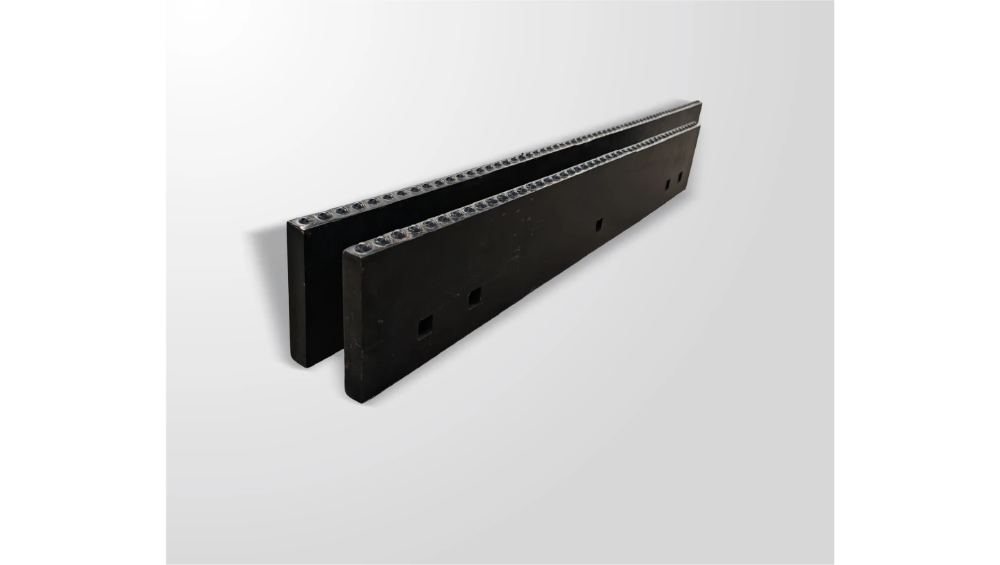
The assembly line is the final gate, but the receiving dock is the first one. Inserts that fail the incoming check are cheap to catch at the dock and expensive to catch on the line: a jam, a mis-seat, or a weak braze stops production in a way that a return never does. Incoming QC for carbide inserts is the control point that protects the line before it runs.
This article covers the incoming inspection for carbide inserts: the key checks, the sampling plan, matching batches to certificates, and handling rejected lots.
The line is the final gate
An automated or semi-automated assembly line runs on the assumption that the inserts will fit, feed, and braze as specified. When an incoming lot does not match that assumption, the line pays the price in jams, rework, and quality escapes.
The receiving check exists to move the discovery to the dock, where it costs a return and a reorder, instead of the line, where it costs production time. The discipline is the same as any incoming inspection: check the count, the identity, the dimensions, the surface, and the documentation, and record the results.
The check is the buyer’s mirror of the supplier’s final sampling: SENTHAI describes its own quality framework as covering final product sampling and pre-packaging review, and the receiving check confirms that the shipped product matches what the supplier released.
The receiving check also has a documentation role beyond the lot: it is the evidence the line’s quality system needs when an insert fails later. A jam or a weak braze traced to a lot that passed receiving is a process question, and the receiving record is the reference. The check is not a gate that closes; it is a record that opens the investigation.
The same record feeds the supplier scorecard. A supplier whose lots pass cleanly earns a lighter plan and a stronger relationship; one whose lots recur in the reject file earns a conversation and a tighter plan. The receiving data is the supplier management evidence.
What are the key checks for inserts?
The insert checks are focused and specific:
| Check | What it verifies |
|---|---|
| Count and identity | Quantity and part reference against the order and the labels |
| Dimensions | Length, width, and thickness against the specification, with the tolerance confirmed |
| Shape | The trapezoid or bullnose profile, and the angle and radius where specified |
| Surface condition | Clean, free of burrs, chips, and contamination, with the brazing surface intact |
| Consistency | A sample across the lot, because one good insert proves little |
| Batch identity | The lot number and the records that tie the inserts to production |
The checks follow the specification: the dimension order, the tolerance, and the acceptance criteria are confirmed on the drawing, and the inspection compares the parts against that reference.
Sampling plans and records
The sampling plan decides how many inserts to check and how to interpret the results:
- Sample the lot at a defined rate, with more inserts from a new supplier or a new product line;
- Measure the key dimensions on the sample and record the values;
- Check the surface and the shape on the same sample;
- Compare the results against the acceptance criteria;
- Decide: accept, quarantine, or reject the lot.
The sampling plan is the buyer’s own risk decision, and the record is its evidence. SENTHAI states that it can hold insert tolerances within ±0.02 mm, and the buyer’s measurement should confirm the window on the sample.
The records should name the lot, the measured values, and the decision, so the line can trace any later problem to the lot and the check.
How do you match batches to certificates?
The documentation is part of the lot:
- The batch number on the labels should match the batch number on the certificate;
- The certificate should name the material, the grade, and the measured properties;
- The inspection report, where provided, should cover the lot;
- The packing documents should match the order;
- The documents should be dated and current for the lot.
The match is the verification that the inserts on the dock are the inserts the supplier documented. A mismatch between the labels and the certificate is a finding, and the lot should not proceed until it is resolved.
Handling rejected lots
A rejected lot is a process, not a dispute:
- Quarantine the lot and mark it clearly;
- Document the findings with the measurements and the photos;
- Notify the supplier with the evidence and the lot reference;
- Confirm the resolution: replacement, credit, or disposition, per the order terms;
- Record the rejection in the supplier file, and watch for the pattern across lots.
The quarantine is the critical step: a rejected lot must not reach the line while the resolution is pending. The buyer who quarantines, documents, and notifies protects the line and the claim.
Prevent line stops at the source
The prevention starts with the specification: the tolerance, the surface, the acceptance criteria, and the documentation confirmed during quotation, so the supplier ships against a defined product. The carbide inserts page is the reference for the standard range and the stated tolerance, and the contact page is where the specification and the records are requested.
The receiving check remains the fleet’s control point, and the prevention is what makes the line run. The insert that passes at the dock is the insert the line can trust, and the trust is the whole point of the check.
The same framework the supplier uses, described on the quality-control page as incoming review, process checks, final sampling, and pre-packaging review, is the model the buyer’s receiving plan mirrors. The two sides of the same framework are what make the shipment and the check consistent.
The consistency, verified lot after lot, is what keeps the line moving and the supplier relationship healthy.
The receiving check should also be reviewed for its own effectiveness: how many rejects it caught, how many escaped to the line, and what the pattern says about the specification. A check that catches nothing may be a sign of a good supplier, or a sign that the check is not looking hard enough, and the review distinguishes the two.
The review feeds the sampling plan: a supplier with a clean record earns a lighter plan, and a supplier with a pattern of rejects earns a heavier one and a conversation about the root cause. The receiving program is a living system, and the review is what keeps it alive.
The living system also extends to the specification itself. When the receiving data shows a dimension drifting toward the tolerance edge, or a surface condition recurring, the specification, not just the sampling, should be reviewed with the supplier. The receiving check is the early warning for the specification’s health.
The same data belongs in the supplier scorecard, which is the evidence the next sourcing decision uses. The receiving program that records, reviews, and feeds the specification is the program that protects the line season after season.
The protection, built lot after lot, is the line’s quiet assurance that the inserts it runs are the inserts it accepted.
And the assurance is the line’s speed.
The speed, kept by the check, is the output.
The output is the line’s.
And the line owns it.
What is the fastest way to improve insert quality at the dock? Close the feedback loop: send the receiving findings back to the supplier with the measurements, and ask for the root-cause correction. The supplier that acts on the findings is the supplier that improves the lot.
How do I know the receiving check is working? Compare the rejects found at the dock with the failures found on the line: a check that catches the problems before the line is working, and the ratio is the evidence.
Expert view — SENTHAI engineering team: “The dock is the line’s first gate. The measurements and the records are what the line trusts.”
Frequently Asked Questions
Why is incoming QC important for inserts? Because a failed insert is cheap to catch at the dock and expensive on the line: jams, rework, and quality escapes stop production.
What should I check? Count and identity, dimensions, shape, surface condition, consistency across the sample, and the batch identity and records.
What sampling rate should I use? The buyer’s own risk decision, with more sampling from a new supplier or a new product line. The record is the evidence.
How do I match batches to certificates? The batch number on the labels must match the certificate, and the certificate must name the material, the grade, and the measured properties.
What do I do with a rejected lot? Quarantine, document, notify the supplier, confirm the resolution per the order terms, and record the rejection in the supplier file.
Does SENTHAI publish insert tolerances? SENTHAI states that its inserts can hold tolerances within ±0.02 mm; the buyer’s receiving check confirms the window on the sample.
How do I prevent line stops? Specify the tolerance, the surface, the acceptance criteria, and the documentation in the order, and confirm them during quotation.
Sources
Related articles
 Best Snow Plow Blade Family for Your Fleet: Top 5 ScenariosKnowledge
 Top 10 Snow Plow Blade Types for Winter Fleets (Ranked by Duty Fit)Knowledge
 Top 5 Best Carbide Blade Configurations for Highway PlowingKnowledge
 Best Snow Plow Blade Materials Ranked: Steel vs Carbide vs Cladding vs Rubber-CarbideKnowledge