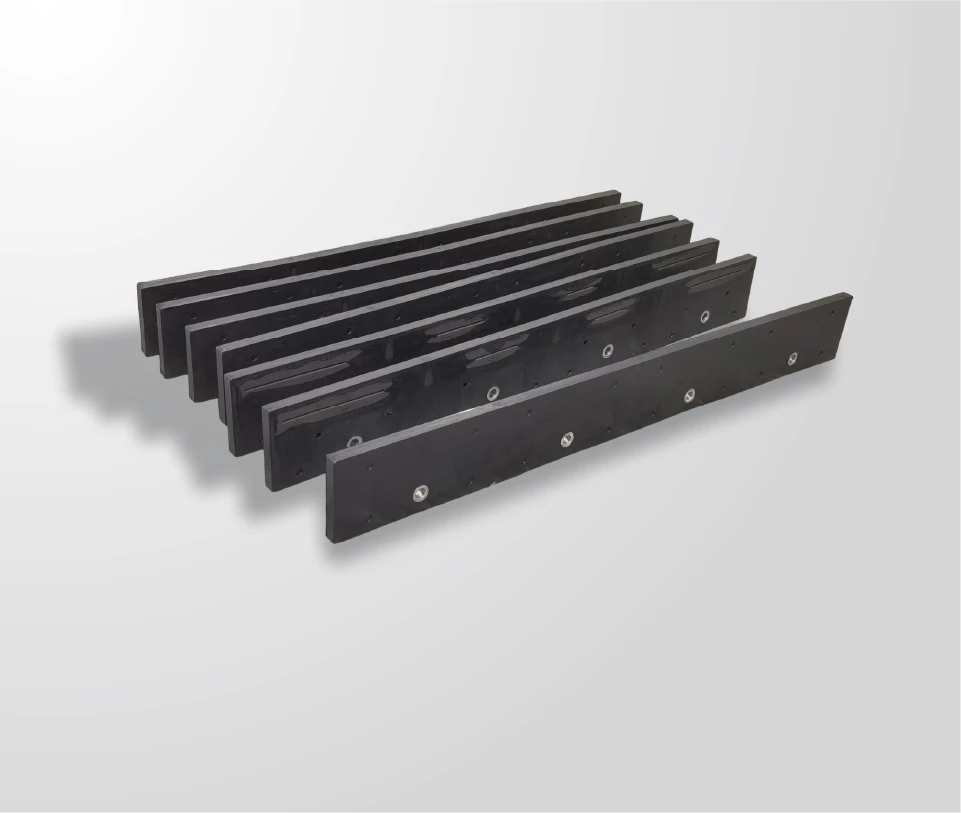

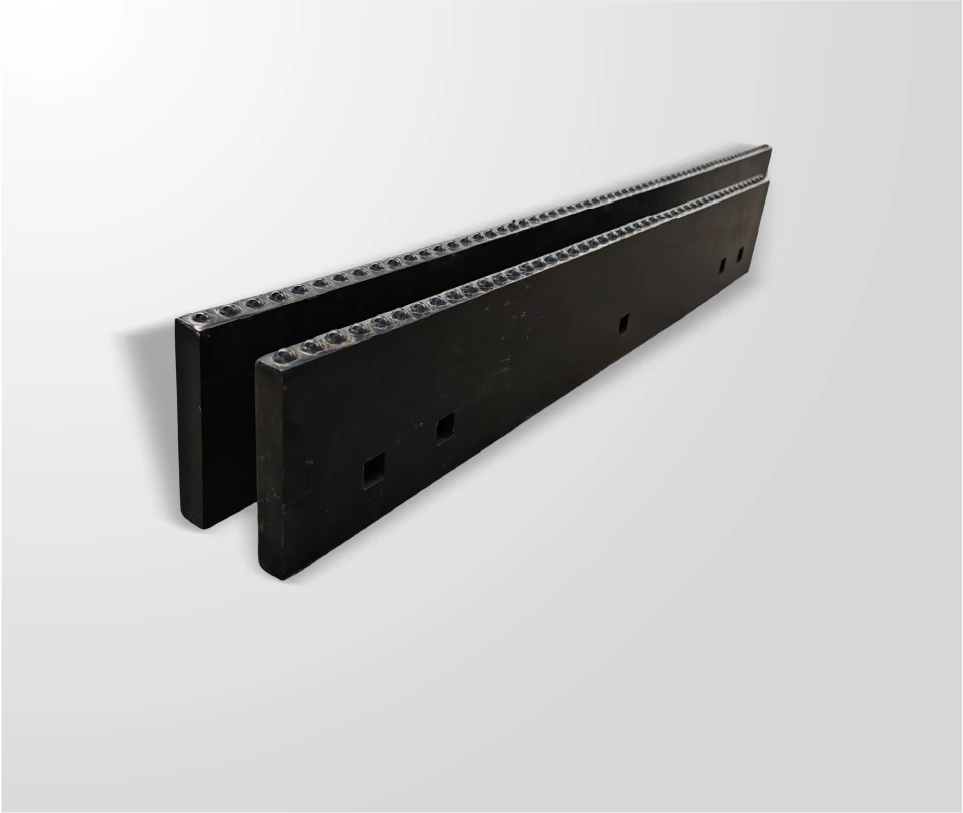
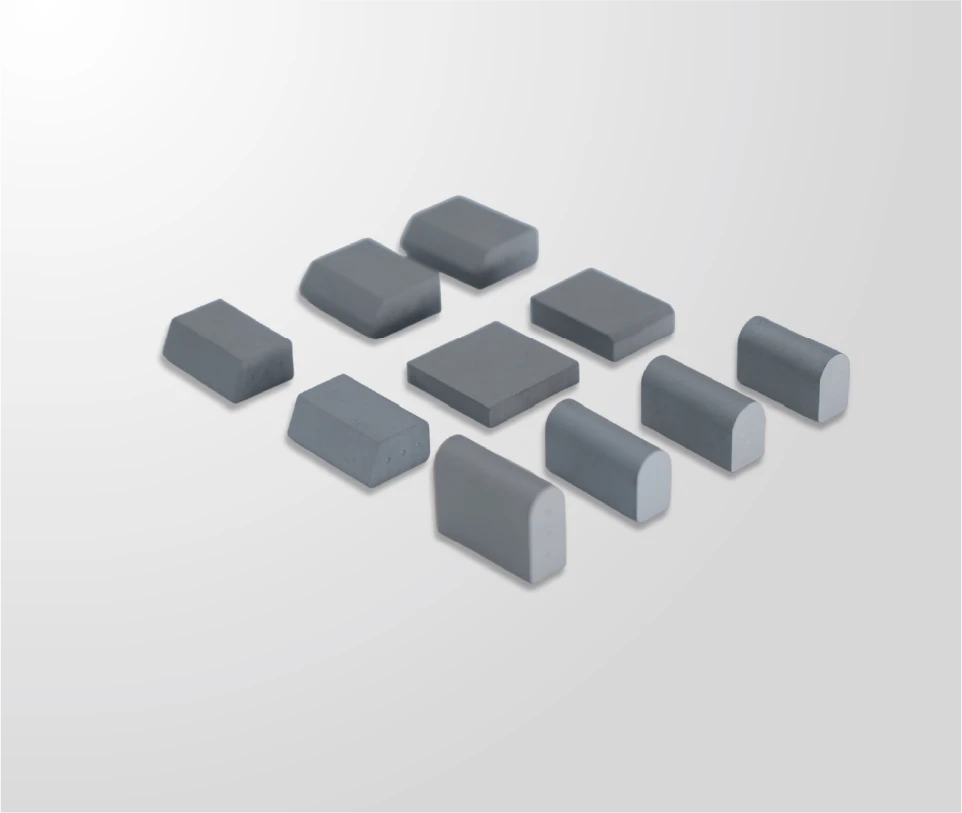


Tariff treatment, antidumping exposure and clearance time change landed cost. A cheaper ex-works price can be the more expensive delivered part.
Carbide products have attracted antidumping and countervailing measures in several markets, and origin determines whether they apply. Buyers who model landed cost including duty usually find the ranking changes, and the documentation requirement becomes a contract term.
Snow products have a fixed buying window, and capacity is finite. A supplier’s ability to hold a production slot and a shipping date matters more in this category than in most industrial purchasing, because the season does not move.
Qualifying a second supplier takes a season. Doing it after the first one fails is not a plan.
A second source is a supplier who has already produced to your specification and passed your inspection, not one who says they can. That means a first article, a documented specification and a tested shipment before the season starts.
Tungsten supply, freight rates and trade policy all move. Buyers who keep specification portability — a written specification that several suppliers can meet — have far more room to respond than those locked into a single part number.
Enough to reverse a sourcing decision in some markets. Model landed cost including duty, clearance and lead time rather than comparing ex-works prices.
It determines tariff treatment and, in public procurement, eligibility. It is also what protects you if a trade measure is applied retroactively.
For any product critical to a season, yes. Qualify the second source before you need it, with a first article and a production shipment.
Typically a season, including a first article, an inspection agreement and a test shipment. Starting during the buying window is too late.
Writing it in measurable properties — dimensions with tolerances, grade properties, inspection methods — rather than around a single supplier’s part number or trade name.
The documents a tender requires.
Building a programme with a supplier.
How to compare offers on more than price.
Making your requirement portable.
Tell us your markets, volumes and delivery window and we will respond with capacity, documentation and terms.
✓ Markets and delivery destinations
✓ Expected volumes and timing
✓ Certification and origin requirements
✓ Current supply risks
Email: [email protected]
Browse the guides assigned to this topic.