The best premium quad snow blade brands for heavy-duty ATV/UTV operations are BOSS for commercial hydronic systems and KFI Products for winch-lifted heavy powersports steel setups. This sourcing guide is essential for large estate owners, rural property managers, and small-scale sidewalk contractors evaluating winter attachments for 500cc+ utility quads and full-size side-by-sides. Note that blade choice depends on your vehicle’s capacity, snow conditions, mounting system, and whether you prioritize hydraulic power or winch simplicity—carbide edges may not be ideal for every impact environment.
Commercial Hydronic Systems Versus Heavy Powersports Steel Setups
Premium quad snow blade reliability depends on downforce and cutting edge configuration. Commercial UTV setups like the BOSS V-XT feature direct hydraulic systems that eliminate winches, providing consistent blade control without manual intervention. Heavy powersports systems like KFI rely on precision-formed steel and double-sided wear bars for durability in demanding conditions.
This engineered contrast separates two distinct approaches to winter maintenance:
Commercial hydronic systems provide consistent downforce through hydraulic pressure, eliminating the variability of winch tension. The BOSS Compact Vehicle Plows feature a full moldboard trip design that protects compact powersports vehicles from damage when striking hidden obstacles.
Heavy powersports steel setups use winch-lifted push tube assemblies that require manual control but offer flexibility across multiple vehicle types. KFI Products Pro-S Steel Blades are constructed of 11 ga steel with fully-adjustable blade skids and bolt-on brackets for customizable height. SuperATV recommends a 3500lb winch for their Plow Pro Snow Plow on Ranger 570 models, indicating the power requirements for effective heavy-duty operations.
WARN’s general rule of thumb suggests the plow blade should be about six inches wider than your ATV or UTV, allowing snow to clear the tires when fully rotated. This width consideration applies to both system types but affects frame stress differently depending on lift mechanism.
Mechanical Stress Points Where Push Tubes Connect to Mid-Frame Mounts
The mechanical stress point where push tubes connect to the quad’s mid-frame mount represents a critical failure zone during heavy plowing operations. When a rigid steel blade hits a hidden freezing obstacle, the shock transfers through the push tubes directly to the vehicle’s frame without adequate trip-spring damping.
Trip springs are one of the most replaced items on a plow, whether it is a straight-blade or V-plow. Proper spring tension will prolong the life of the plow and prevent damage to vehicle components. Without adequate trip-spring system design, high-frequency structural shocks can compromise the mid-frame mount integrity over repeated winter seasons.
Operators should be properly trained in using equipment, understanding the plow’s capabilities, limitations, and safe operation practices to prevent accidents and damage. Following manufacturer instructions helps ensure equipment functions properly and keeps it in prime condition to reduce failed components.
Regular inspections and servicing can identify potential issues early before they escalate into significant problems. Keeping the snow plow and equipment well maintained according to manufacturer instructions prevents cumulative stress damage at connection points.
Steel blades are heavier, which can put more strain on your vehicle, making it important to consider the balance between durability and weight when selecting premium quad snow blade brands. The mid-frame mount must accommodate this additional strain without compromising vehicle structural integrity.
Factory Carbon Steel Wear Bars Designed for Soft Snow Only
Factory carbon steel wear bars provided by premium brands are designed for soft snow conditions, not cold hard-packed ice scraping down to bare tarmac. When scraping frozen surfaces, the friction temperatures exceed what standard carbon steel can withstand without deformation.
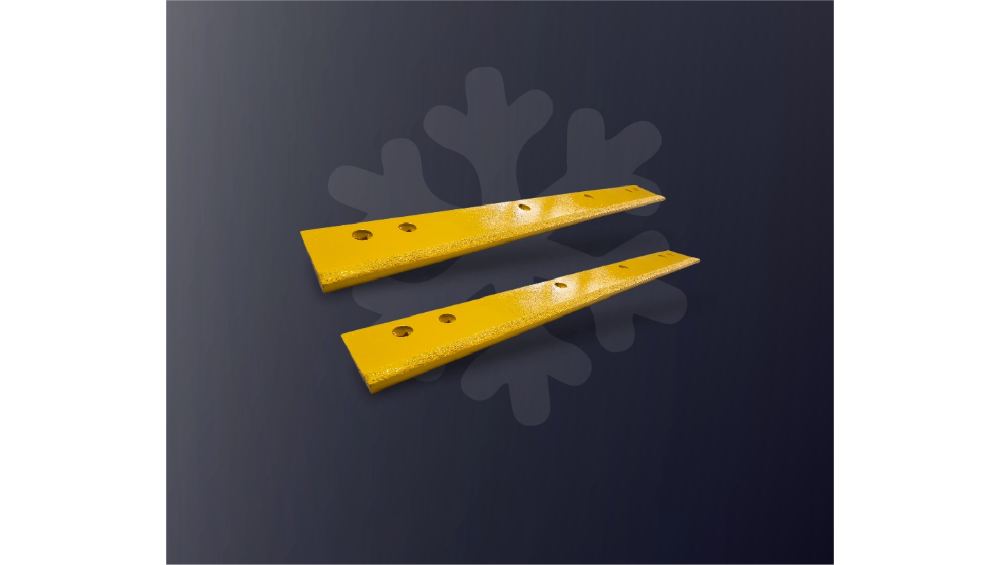
A 60-inch ATV snow plow blade wear bar protects plow edges from abrasion, improves durability, and enhances snow clearing efficiency. Carbide-tipped options from reputable manufacturers provide superior wear resistance, extended service life, and cost efficiency compared to standard carbon steel in harsh conditions.
Upgrading the edge to an industrial-grade wear bar saves the vehicle’s frame from high-frequency structural shocks when encountering hard-packed ice. The cobalt matrix in tungsten carbide provides toughness for impact survival while the carbide grains deliver hardness for wear resistance in abrasive frozen conditions [CERTAINTY:general].
Some plows come with replaceable shoes or wear bars at the bottom of the plow blade. These components help protect the blade from wear and prevent damage to pavement when using carbide edge extenders, curb guards, and poly skids.
60-inch replacement wear bars for poly snow plow blades are ready to install and get you back to plowing quickly, indicating the importance of maintainable edge systems for continuous winter operations. The aftermarket availability of carbide wear bars enables fleet operators to upgrade standard factory edges without replacing entire blade assemblies.
Bolt-Hole Pattern Insights for Aftermarket Edge Maintenance
Aftermarket edge maintenance requires understanding specific bolt-hole pattern compatibility across premium brands. KFI, BOSS, and WARN each use distinct mounting specifications that affect wear bar replacement options.
Before selecting a blade, survey snow conditions including thickness, wetness, and area to cover, as these play crucial roles in determining whether aftermarket carbide edges will provide value. Bracket materials should be high-quality steel offering durability and resistance to wear and tear for long-term edge maintenance.
The plow blade should be about six inches wider than your vehicle to allow snow clearance around rotated tires, affecting bolt pattern placement on the push tube assembly. This width requirement determines how wear bars attach to the blade face and whether aftermarket carbide inserts will align with factory mounting holes.
Replacing worn components promptly prevents cascading damage. When trip springs lose tension or wear bars become too thin, the entire blade assembly experiences increased stress at the mid-frame mount connection point.
Critical Buying Mistakes That Increase Winter Maintenance Costs
Buying only by unit price instead of lifecycle cost creates hidden expenses. Low unit price can create hidden costs if blade life, quality control, delivery, or after-sales support is weak. Wear life depends on road surface, plow pressure, ice conditions, obstacles, speed, operator practice, and maintenance—claims should be verified against documentation [CERTAINTY:general].
Assuming carbide is best for every road surface ignores material limitations. Carbide can improve wear resistance in suitable applications but may not be ideal for every impact environment where hidden obstacles create shock loads exceeding fracture toughness [CERTAINTY:general].
Ignoring impact exposure from manholes, curbs, bridge joints, and uneven pavement creates unexpected frame damage. When rigid steel blades strike these obstacles without adequate trip-spring damping, the shock transfers through push tubes to the mid-frame mount.
Ordering without verifying dimensions, bolt patterns, mounting systems, and plow compatibility causes installation delays. Technical details should be confirmed before procurement, especially for blade width relative to vehicle width and wear bar mounting specifications.
Treating wear-life claims as universal rather than route-dependent creates procurement risk. A carbide edge may last significantly longer on gravel roads than on abrasive concrete driveways with frequent anchor strikes [CERTAINTY:general].
Failing to ask about batch traceability, QC process, material sourcing, and after-sales support creates supply-chain vulnerability. Suppliers should provide documentation proving material origin and batch consistency for aftermarket carbide wear bars [CERTAINTY:general].
Ignoring delivery reliability before winter season demand peaks creates operational downtime. Confirmed delivery schedules before procurement commitment prevent missing the critical first-snow window [CERTAINTY:general].
Choosing a blade design without considering packed ice versus loose snow versus abrasive pavement ignores operating-condition factors. BOSS V-XT hydronic systems excel in deep snow but may be over-specified for light sidewalk navigation where KFI winch-lifted systems provide adequate performance.
Assuming supplier certifications, patents, or export history without checking documents creates procurement risk. Verification of quality certifications and performance documentation should occur before bulk orders of aftermarket wear bars [CERTAINTY:general].
Failing to trial sample blades before scaling to fleet-wide procurement creates performance uncertainty. Field testing with representative snow conditions validates supplier claims about carbide edge performance before commitment [CERTAINTY:general].
How Hot-Hardness Properties Benefit Hard-Packed Ice Scraping on Tarmac
The hot-hardness property of tungsten carbide benefits hard-packed ice scraping on tarmac by maintaining edge integrity at friction temperatures where carbon steel softens. When scraping frozen surfaces down to bare pavement, sustained contact generates heat that exceeds carbon steel’s thermal tolerance.
Tungsten carbide grains provide hardness for wear resistance while the cobalt matrix delivers impact resistance necessary for obstacle strikes. This dual property enables continuous scraping operations without the thermal degradation that defeats standard factory wear bars.
Carbide-tipped options provide superior wear resistance in harsh conditions where carbon steel wear bars deform rapidly. The extended service life and cost efficiency make aftermarket carbide upgrades economically viable for fleet operators managing multiple vehicles.
Premium materials like high-quality steel and carbide mean blade edges are built to withstand brutal wear and tear from abrasive tarmac surfaces. Industrial-grade wear bars protect the vehicle frame from high-frequency structural shocks transmitted through the push tube assembly during hard-surface scraping.
Frequently Asked Questions
What are the most durable commercial-grade snow plow brands for full-size UTVs?
BOSS V-XT and Fisher represent the most durable commercial-grade snow plow brands for full-size UTVs, featuring direct hydraulic systems and Grade 50 steel construction with 3/16″ ribbing. These brands provide consistent downforce and full moldboard trip design that protects vehicles from obstacle damage.
Which is better for an ATV snow plow: a fully hydraulic system or a winch-lifted setup?
Fully hydraulic systems like BOSS V-XT provide consistent blade control without manual winch operation, while winch-lifted setups like KFI offer flexibility across multiple vehicle types. Choose hydraulic for full-size UTVs with deep snow requirements, winch-lifted for 500cc+ ATVs navigating narrow walkways.
Are KFI Products snow plows made from high-strength Grade 50 steel?
KFI Products Pro-S Steel Blades are constructed of 11 ga steel rather than Grade 50 ribbing, which differs from BOSS V-XT specifications. The 11 ga steel construction provides sturdy, relatively heavyweight performance suitable for heavy powersports applications.
How does the BOSS full moldboard trip design protect compact powersports vehicles from damage?
The BOSS full moldboard trip design protects compact powersports vehicles by allowing the blade to trip over obstacles rather than transferring shock directly to the mid-frame mount. This design prevents high-frequency structural shocks from compromising frame integrity during obstacle strikes.
Can you install heavy-duty aftermarket wear bars on standard quad snow blades?
Yes, heavy-duty aftermarket wear bars can be installed on standard quad snow blades if bolt-hole patterns align with factory mounting specifications. Carbide-tipped options from reputable manufacturers provide superior wear resistance and extended service life for harsh ice-scraping conditions.