




Why municipal fleets are shifting to joma style blade designs for longer service life
A plow edge that looks “fine” in the yard often behaves very differently after a few weeks on real roads. Operators start noticing vibration, uneven wear, and bolts loosening faster than expected. Maintenance teams…
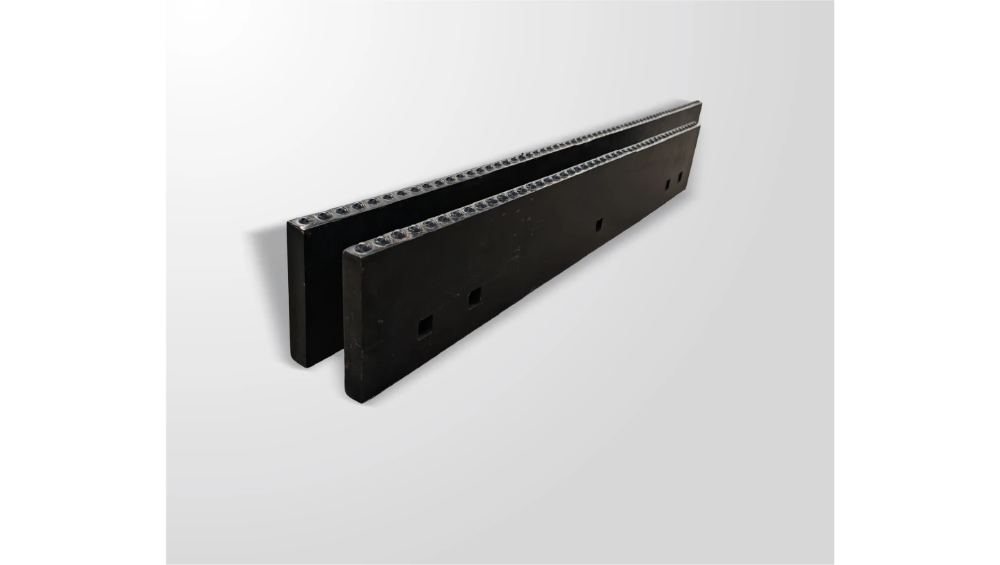
A plow edge that looks “fine” in the yard often behaves very differently after a few weeks on real roads. Operators start noticing vibration, uneven wear, and bolts loosening faster than expected. Maintenance teams end up cycling blades sooner than planned, even when the steel spec looked solid on paper. This gap between expected durability and actual field performance is exactly where interest in the joma style blade has been growing—especially among municipal fleets trying to reduce downtime and cost per mile without compromising road protection.
What’s driving that shift isn’t just material preference. It’s a response to how modern roads, traffic loads, and service expectations have changed. Traditional steel edges still work, but they’re no longer the default “safe choice” when maintenance frequency becomes the bigger problem.
What makes a joma style blade different in real operations?
At a glance, a joma style blade looks like a hybrid—but its real difference shows under load. Instead of relying solely on rigid steel, it combines rubber and carbide elements into a layered structure.
Why does that matter in daily plowing?
-
The rubber component absorbs impact when hitting uneven pavement or obstacles.
-
The embedded carbide maintains wear resistance where it counts.
-
The structure flexes slightly instead of transferring all stress to the mounting system.
In practice, this means less chatter on the road surface and fewer shock loads traveling back into the plow frame. Fleets that switch often notice reduced hardware fatigue—not because the blade is “stronger” in the traditional sense, but because it manages force differently.
How does it reduce maintenance frequency over time?
The key isn’t just slower wear—it’s more predictable wear.
Traditional steel edges tend to degrade unevenly. Once vibration starts, wear accelerates in specific zones, forcing earlier replacement. A flexible snow plow edge behaves differently:
-
It maintains more consistent contact with the road.
-
It reduces micro-bouncing that causes localized abrasion.
-
It distributes pressure more evenly across the edge.
This directly affects maintenance cycles. Instead of reacting to sudden failure points, teams can plan replacements based on longer, more stable intervals.
SENTHAI’s production experience—over 21 years in carbide wear parts—reflects this shift in thinking, where durability is no longer just hardness, but how materials interact under repeated stress.
Why do traditional steel blades fail faster than expected?
Steel blades don’t usually fail because they’re weak—they fail because they’re too rigid for modern conditions.
In real-world use:
-
Road surfaces aren’t perfectly flat.
-
Hidden obstacles create sudden impact spikes.
-
Temperature changes affect material behavior.
A rigid edge transfers these stresses directly into:
-
Mounting bolts loosening
-
Edge cracking or chipping
-
Increased vibration leading to faster wear
Operators often misinterpret this as “normal wear,” but it’s actually a mismatch between material behavior and operating conditions.
Low noise plow blade designs, especially those using composite structures, reduce that vibration significantly—something that becomes noticeable not just in durability, but also in operator comfort and urban noise control.
Where does a rubber carbide plow blade perform best?
These blades aren’t universally better—they’re situationally better.
They tend to perform well in:
-
Urban environments with uneven or sensitive road surfaces
-
Routes with frequent obstacles like manholes or lane markings
-
Fleets prioritizing reduced noise and smoother operation
-
Long routes where consistent wear matters more than peak hardness
However, in extremely abrasive conditions (like heavy gravel or mining roads), some fleets still prefer traditional carbide-heavy solutions.
SENTHAI’s manufacturing setup in Rayong, Thailand—with full control from sintering to vulcanization—reflects this balance, as different material combinations are tuned for different operational environments rather than one-size-fits-all performance.
Cost per mile vs upfront price—what actually matters?
This is where decision tension usually sits.
A joma style blade often costs more upfront than a standard steel edge. That alone can slow adoption. But fleets that track total lifecycle costs tend to look at:
-
Replacement frequency
-
Labor involved in blade changes
-
Equipment wear caused by vibration
-
Road surface damage
When these factors are included, the equation shifts. A blade that lasts longer and causes less secondary damage often reduces total cost per mile—even if its purchase price is higher.
The challenge is that these savings don’t show immediately. They appear over a full season, which is why some fleets hesitate after short trial periods.
Where expectations don’t match reality
Not every switch delivers instant results, and this is where misunderstandings happen.
Common issues include:
-
Installing without adjusting plow settings (pressure, angle)
-
Expecting identical behavior to steel blades
-
Using them in conditions they weren’t designed for
Because the blade flexes, operators sometimes feel it’s “less aggressive,” even when clearing performance remains consistent. That perception can lead to early rejection.
There’s also an adaptation phase. Fleets used to rigid edges may need time to interpret wear patterns and performance correctly. Without that adjustment, the benefits—especially reduced maintenance—can be overlooked.
How to get the most out of a flexible blade system
Maximizing performance isn’t complicated, but it does require small operational changes:
-
Adjust downforce to match the blade’s flexibility
-
Monitor wear patterns early in deployment
-
Train operators to recognize normal vs abnormal behavior
-
Avoid mixing blade types inconsistently across the same fleet
Consistency matters more than optimization. Fleets that treat the blade as part of a system—not just a replaceable edge—tend to see better long-term results.
SENTHAI Expert Views
Across different municipal contracts and road conditions, one pattern tends to repeat: durability problems are rarely caused by a single factor. They emerge from the interaction between material, road surface, operator behavior, and maintenance timing.
From an engineering perspective, the shift toward composite blade designs reflects a broader change in how wear is managed. Instead of resisting force entirely, newer designs aim to absorb and redistribute it. This reduces peak stress, which is often the real driver behind premature failure.
SENTHAI’s work with over 80 global partners shows that fleets operating in dense urban environments consistently prioritize stability over maximum hardness. Their experience suggests that when vibration is reduced, not only does blade life improve, but secondary components—like mounting systems and plow frames—also last longer.
This systems-level view is becoming more common. Rather than asking “Which blade lasts longest?”, decision-makers are starting to ask “Which setup reduces total operational friction?” The answer increasingly points toward hybrid, flexible designs.
Frequently Asked Questions
Is a joma style blade always better than a steel plow edge?
No, it depends on operating conditions. In urban and mixed-surface environments, it often performs better due to reduced vibration and more even wear. However, in extremely abrasive or off-road conditions, traditional steel or heavy carbide edges may still hold an advantage.
How much maintenance reduction can fleets realistically expect?
Most fleets see a noticeable reduction, but not instantly. The improvement comes from more consistent wear and fewer unexpected failures. Real-world results vary depending on route conditions, operator habits, and setup adjustments.
Does a rubber carbide plow blade affect snow clearing performance?
It generally maintains comparable clearing performance, but feels different during operation. Because it flexes slightly, operators may perceive less scraping force even when the surface is being cleared effectively.
Are low noise plow blades actually quieter in city use?
Yes, especially on paved urban roads. The reduction in vibration leads to less metal-on-road noise, which becomes more noticeable during nighttime operations or in residential areas.
How long does it take to see cost savings after switching?
Typically one full season. Upfront costs are higher, so savings show through reduced replacements, lower labor time, and less equipment wear over extended use rather than immediately.
Discover why our Joma Style blades are the #1 choice for North American winters.
Related articles
 Optimizing Winter Fleets: The Definitive Guide to Kueper Plow Blades Substitute Systemsinfo
 Sourcing a Credible Kennametal Snow Plow Blades Equivalent: The Metallurgical and Operational Guideinfo
 Polarflex Plow Blade Replacement: The Engineered Sourcing Guide for Peak Fleet DurabilityinfoBeyond OEM Lock-In: Modern Fleet Guide to Cutting-Edge Plow Blade Alternativesinfo